Misc. Computer & Electronics Memorabilia |
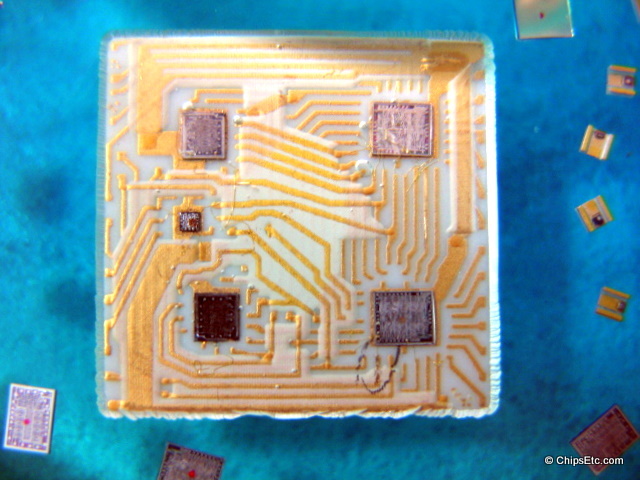
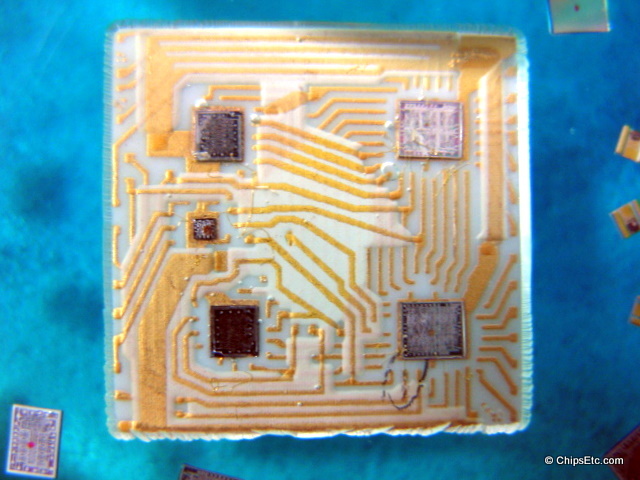
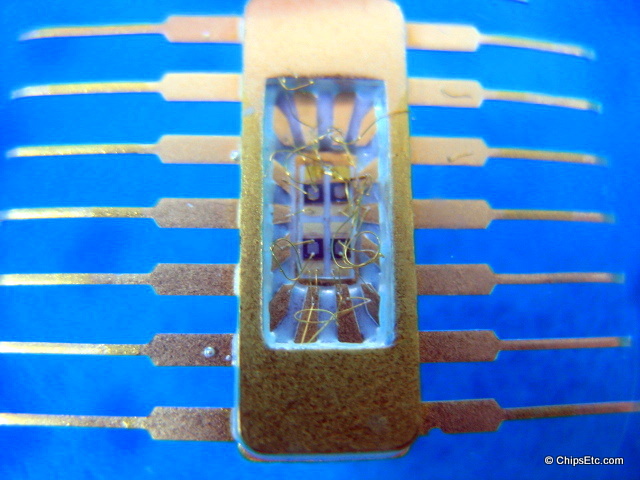
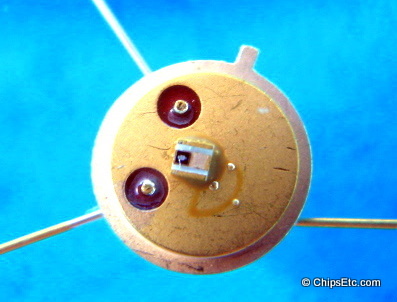
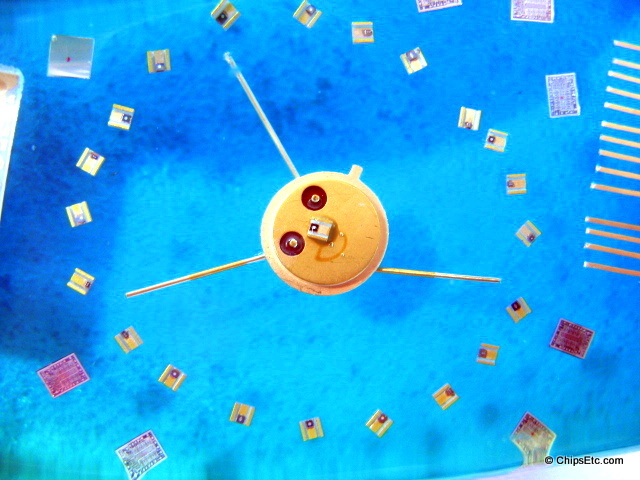
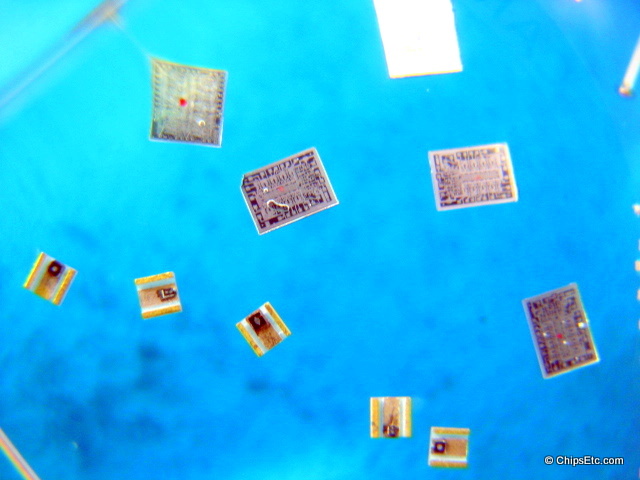
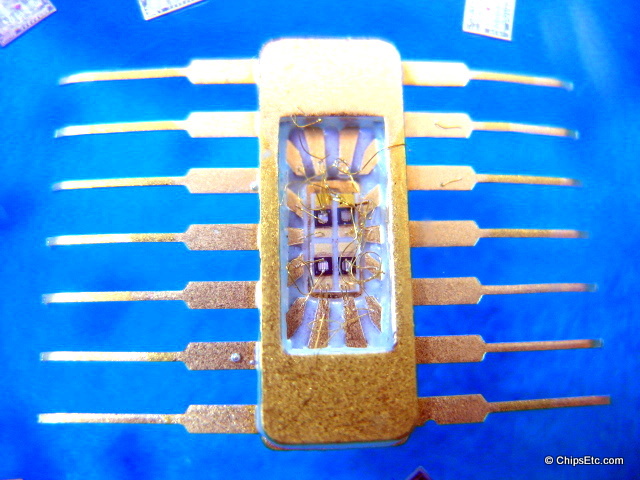
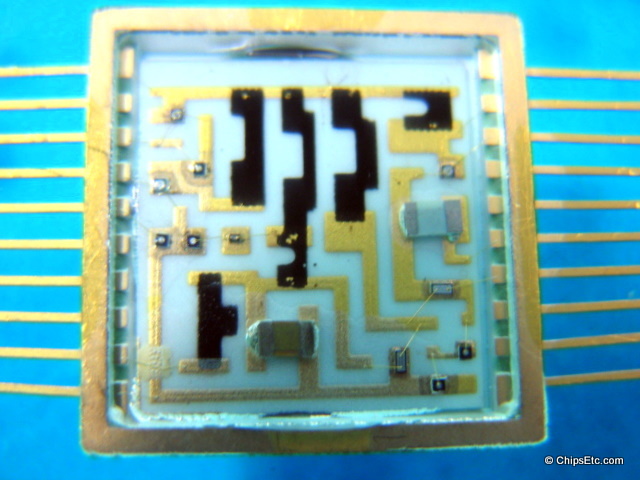
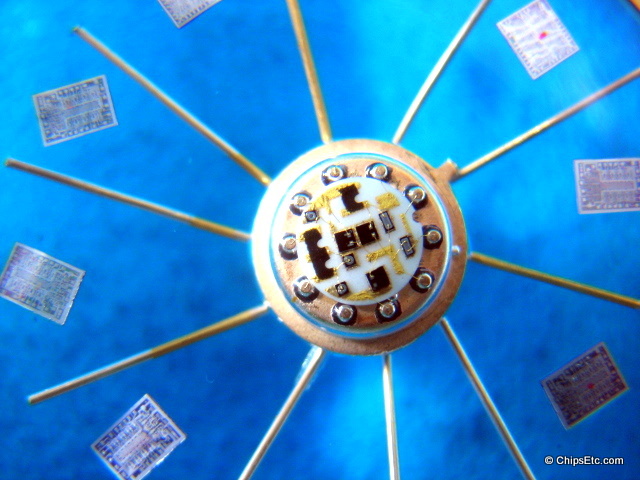
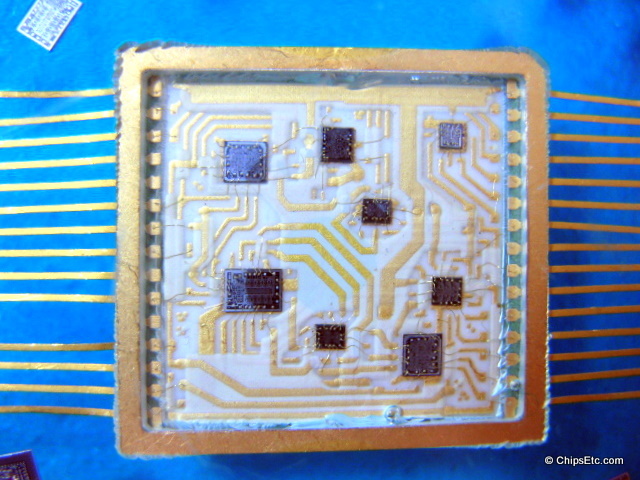
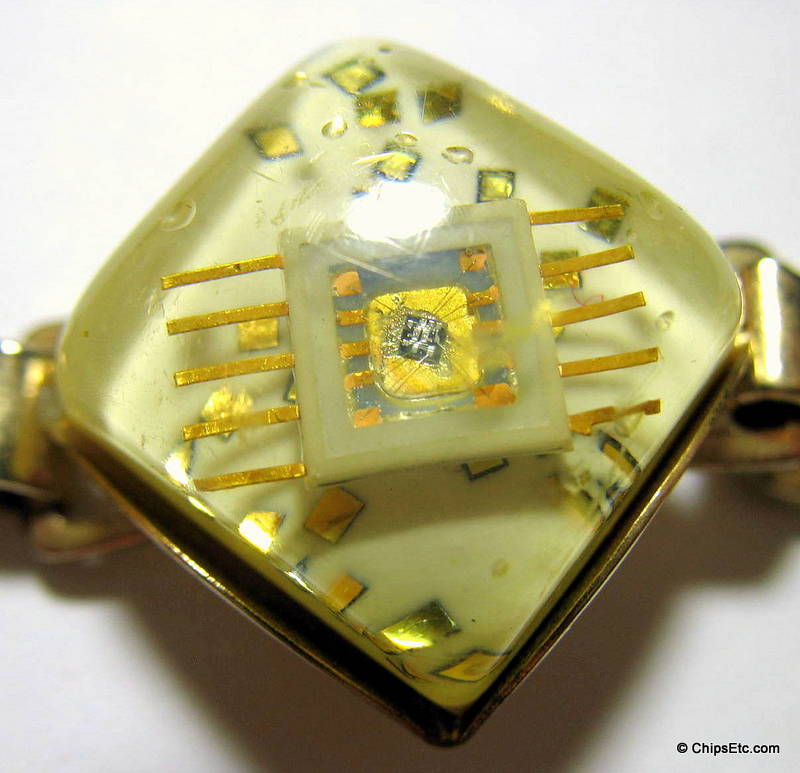
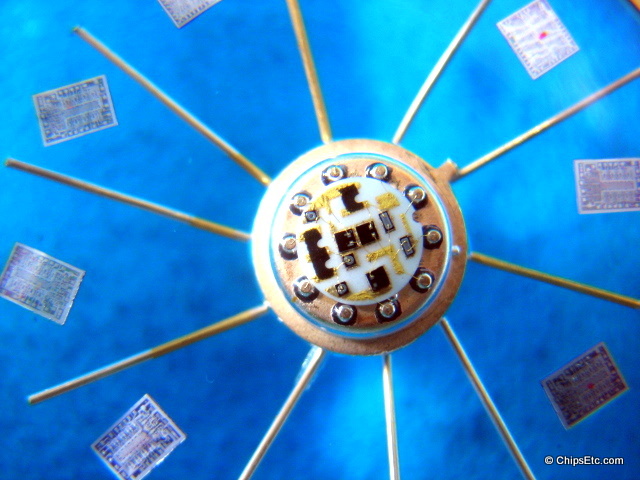 A Hybrid Integrated Circuit surrounded by loose chips (1960's) |
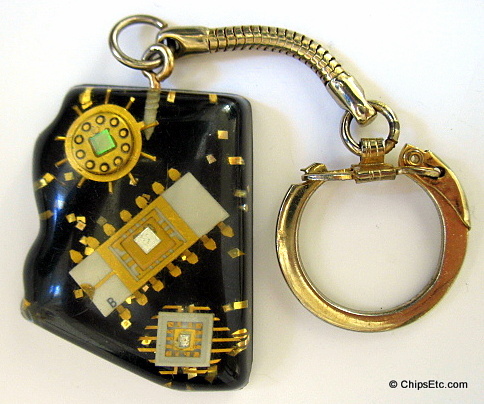
Gold & Ceramic Integrated Circuit Arizona Keychain (Late 1960s)
Item #835
This resin keychain is in the shape of the state of Arizona.
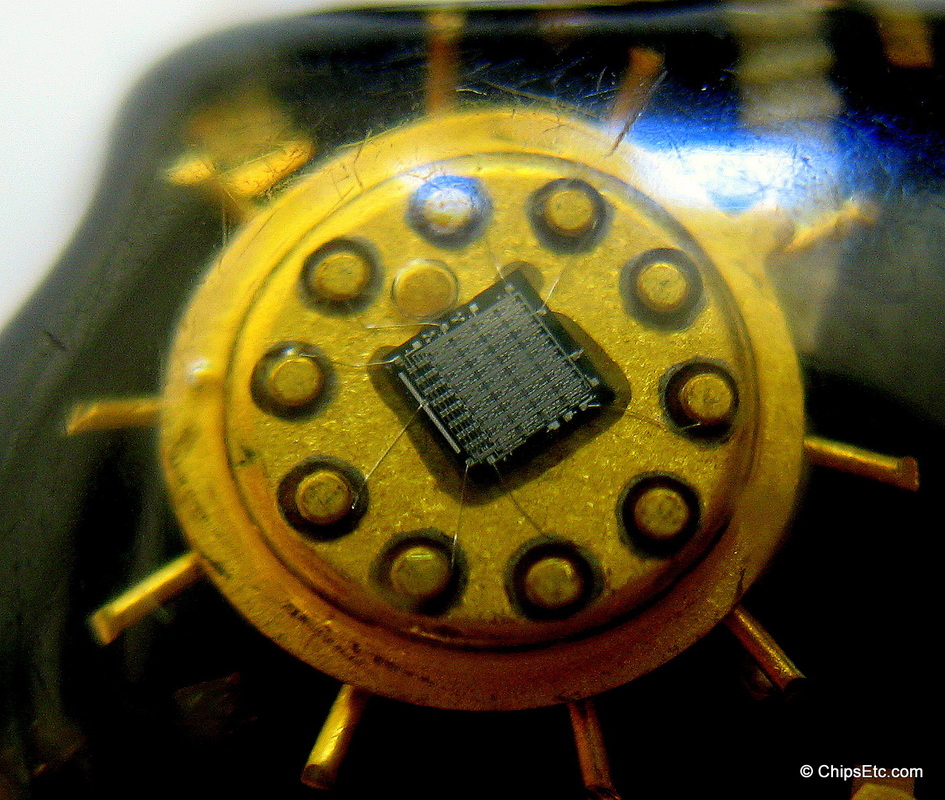
It features three types of ceramic and gold integrated circuit packages & loose chip die, typical of military grade Integrated Circuits from the late 1960's to early 70's.
Semiconductor manufacturers in Arizona over the years have included industry giants like Motorola & Intel.
It features three types of ceramic and gold integrated circuit packages & loose chip die, typical of military grade Integrated Circuits from the late 1960's to early 70's.
Semiconductor manufacturers in Arizona over the years have included industry giants like Motorola & Intel.


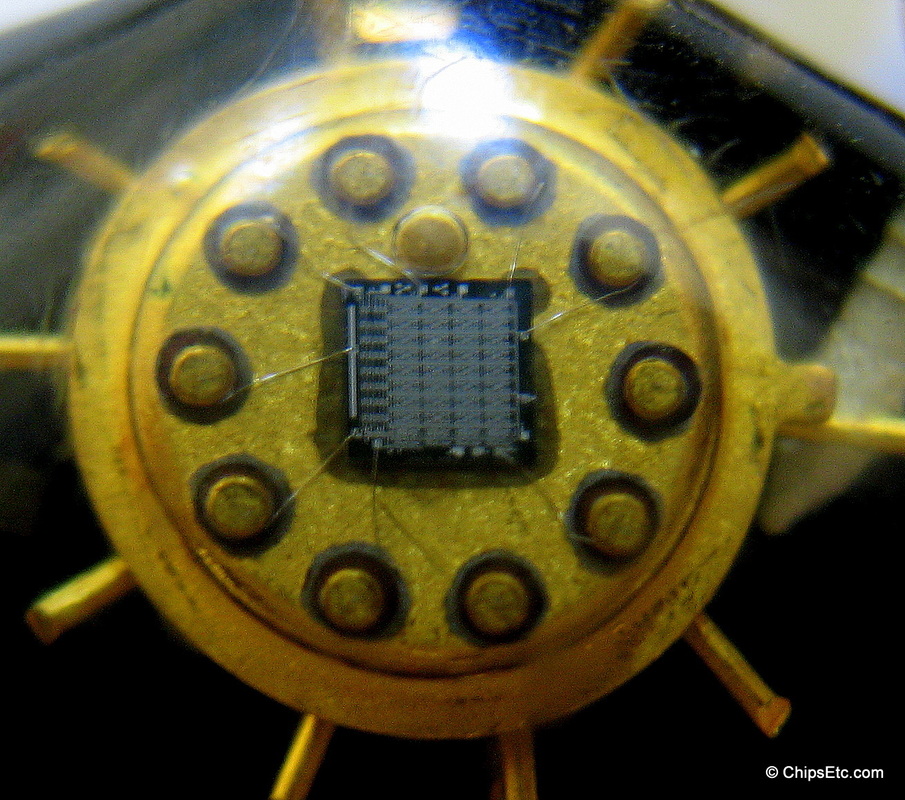
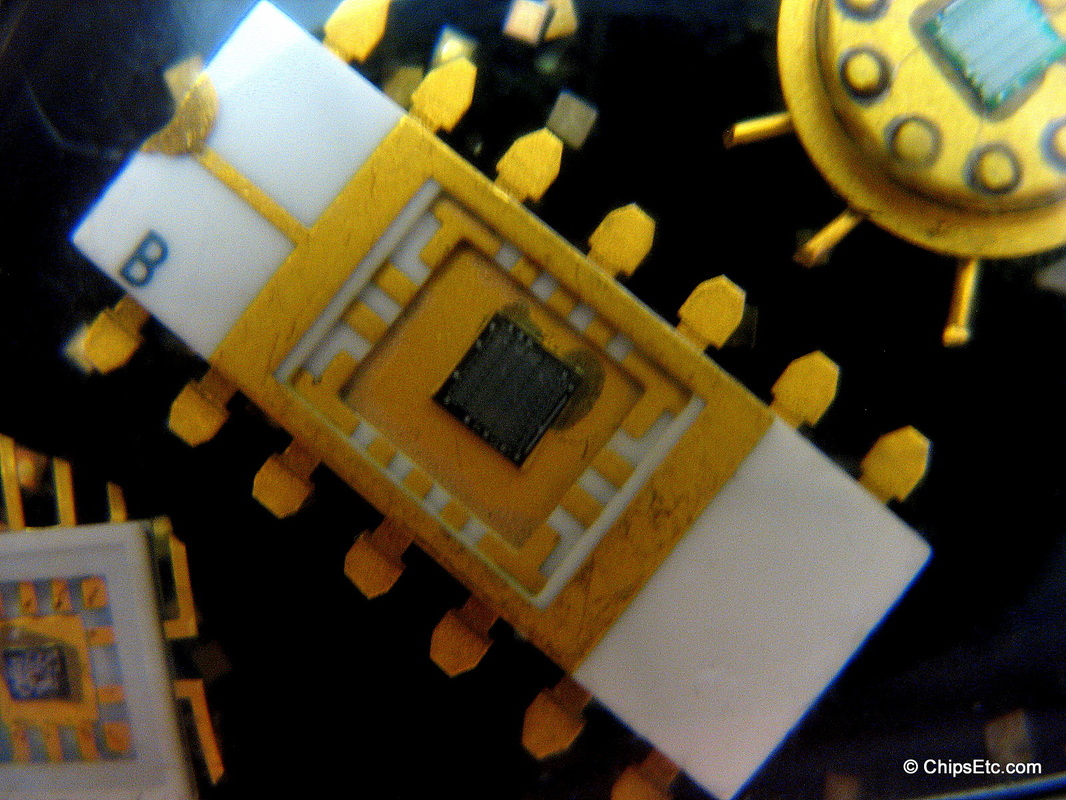
Eames Era Atomic Art w/ Gold Computer Chips & Integrated Circuits
(Mid to Late 1960s)
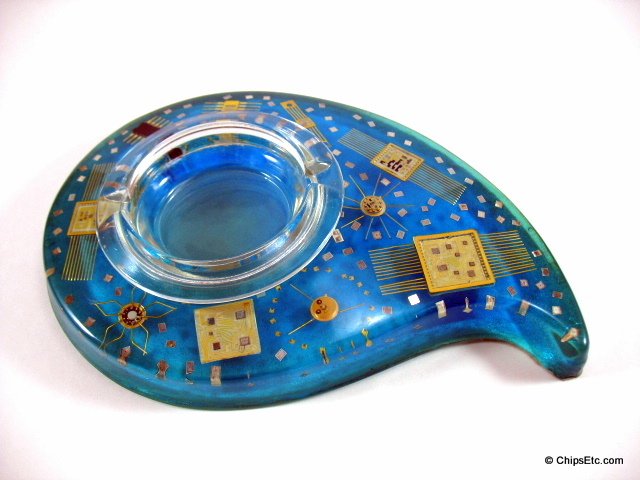
Item #437
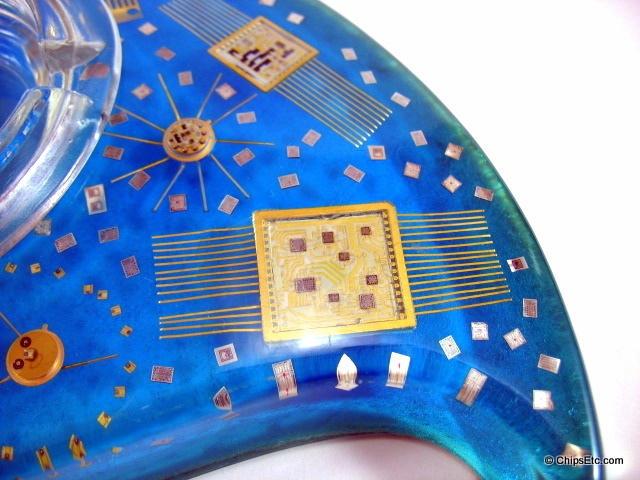
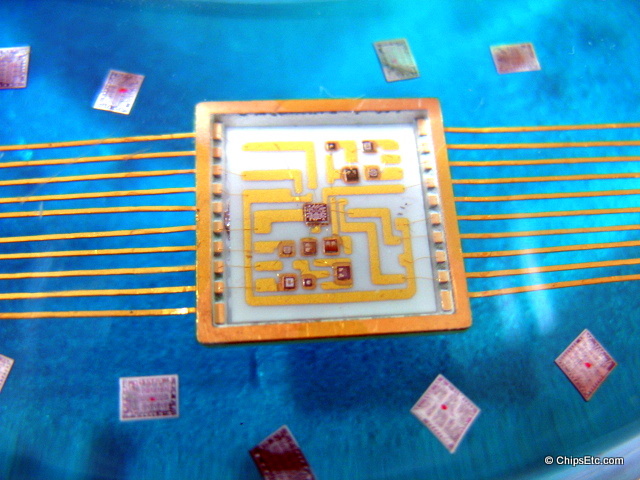
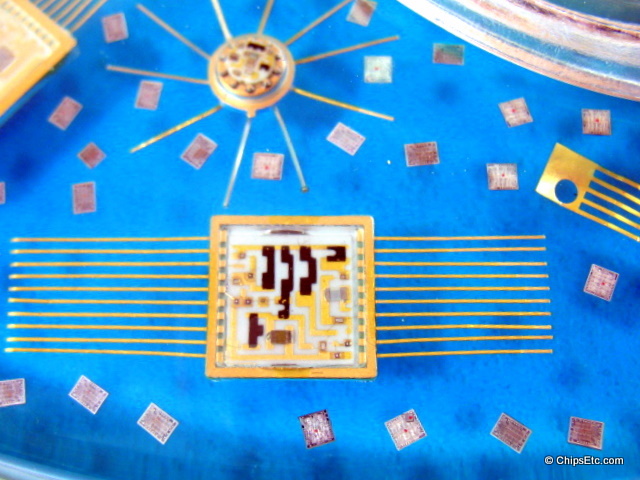
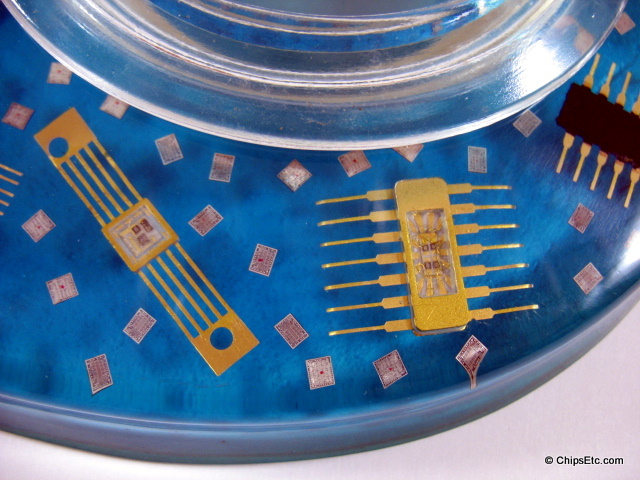
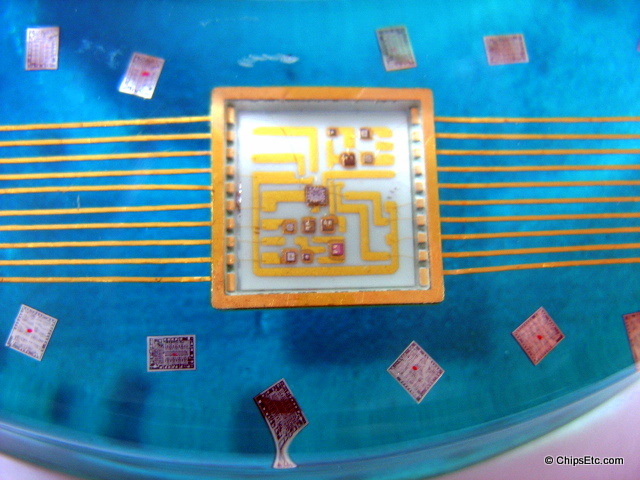
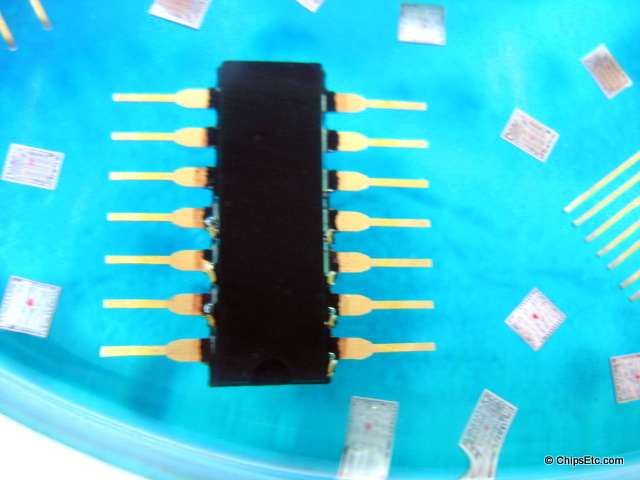
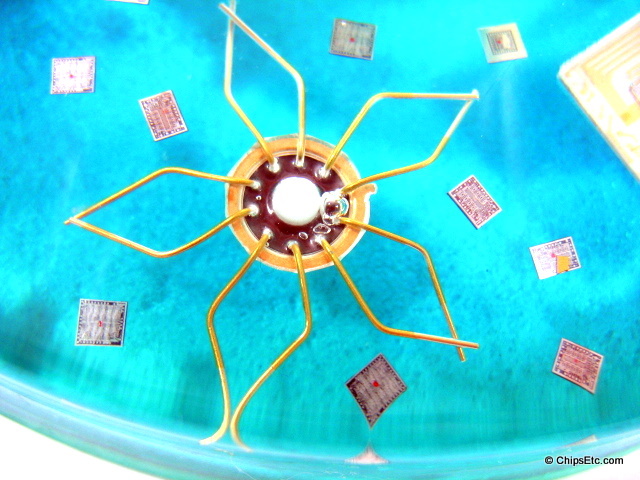
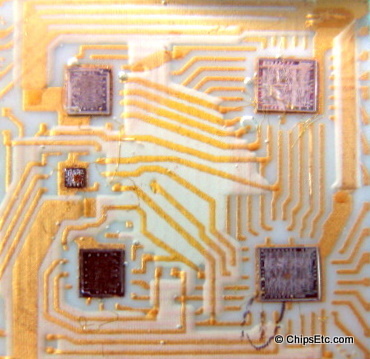
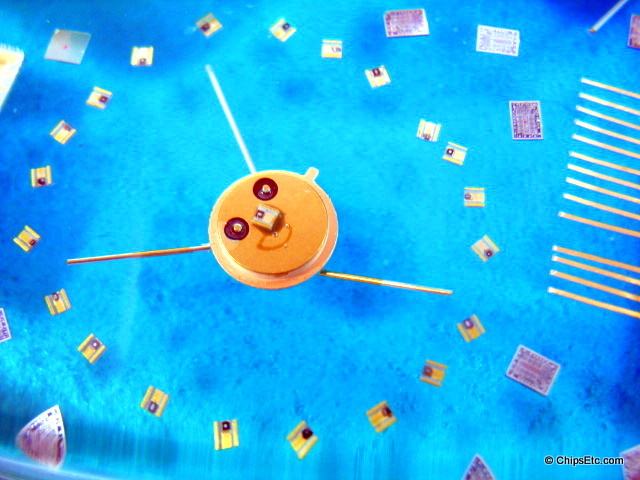
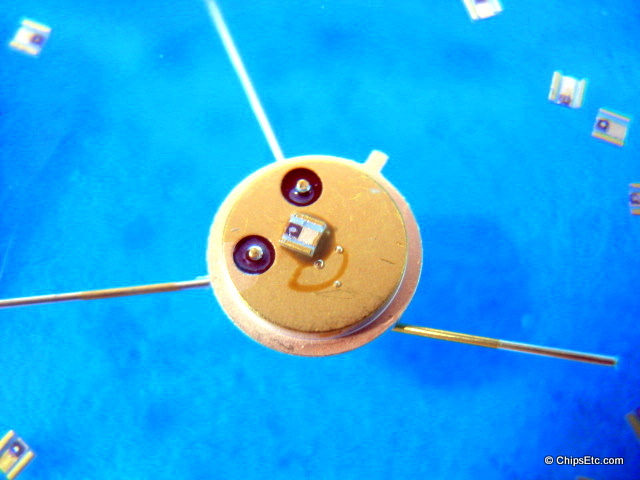
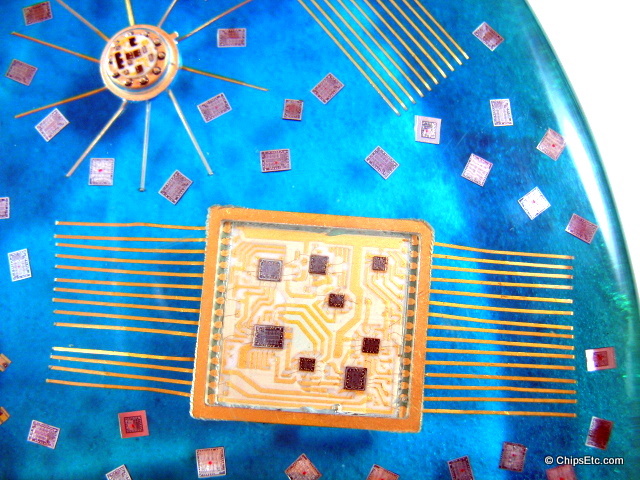
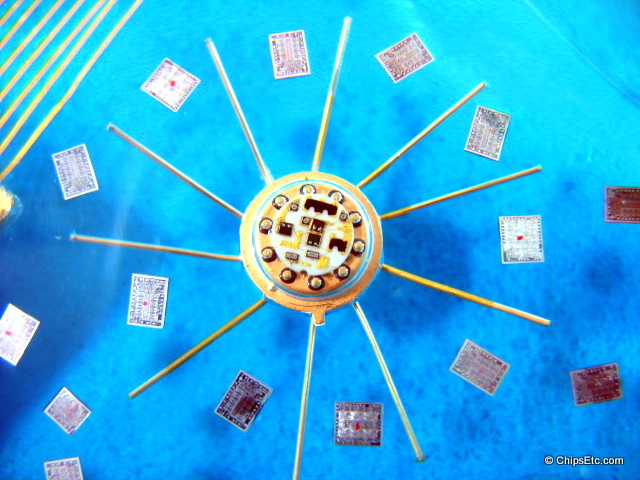
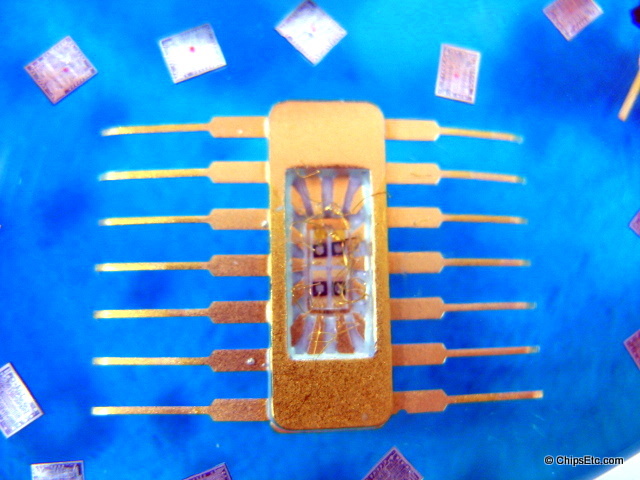
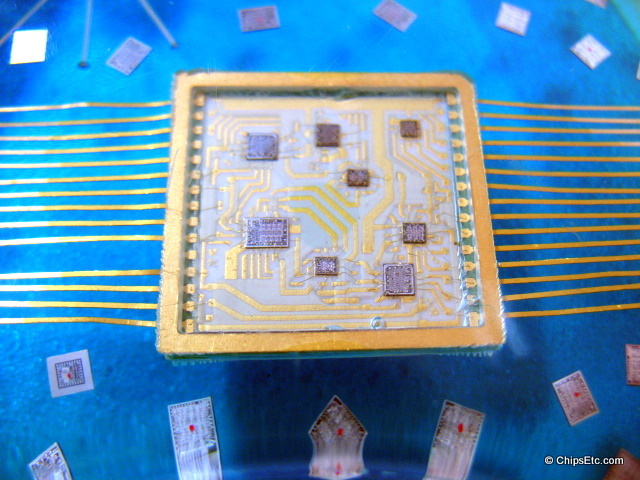
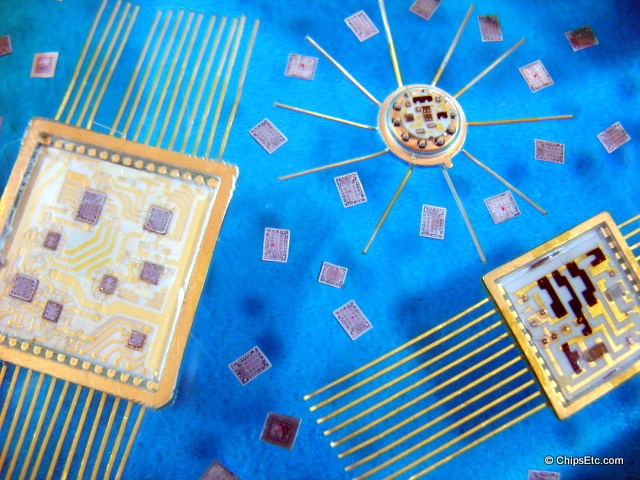
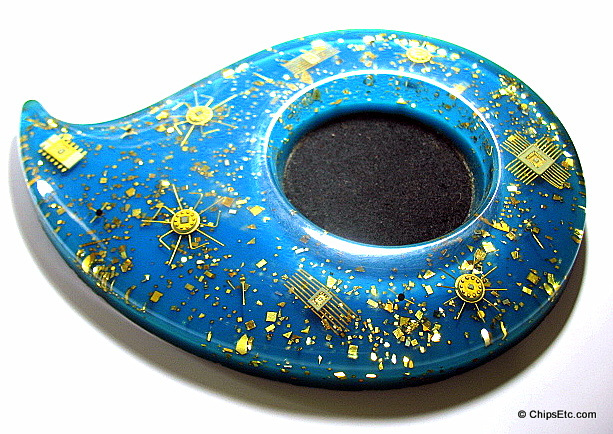
This is an 8" x 6" Acrylic art ashtray with many mid to late 1960's era gold and ceramic solid state hybrid integrated circuits embedded throughout, creating many different atomic looking designs.
These hand made works of art are known to have been made in various colors including red, blue and black colored Acrylics with many different types of transistorized, heavily gold plated, components from the time period. Being handmade - no two were ever made the same.
This one has over 100 individual chips hand placed creating a very unique piece of art. These Integrated Circuits and loose chips are most likely leftovers from Military and Space Race applications due to the large amount of gold plated Integrated Circuits.
These hand made works of art are known to have been made in various colors including red, blue and black colored Acrylics with many different types of transistorized, heavily gold plated, components from the time period. Being handmade - no two were ever made the same.
This one has over 100 individual chips hand placed creating a very unique piece of art. These Integrated Circuits and loose chips are most likely leftovers from Military and Space Race applications due to the large amount of gold plated Integrated Circuits.




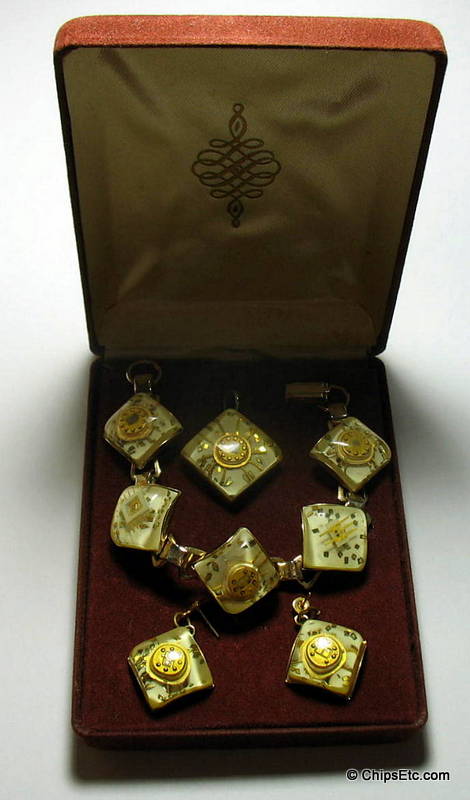
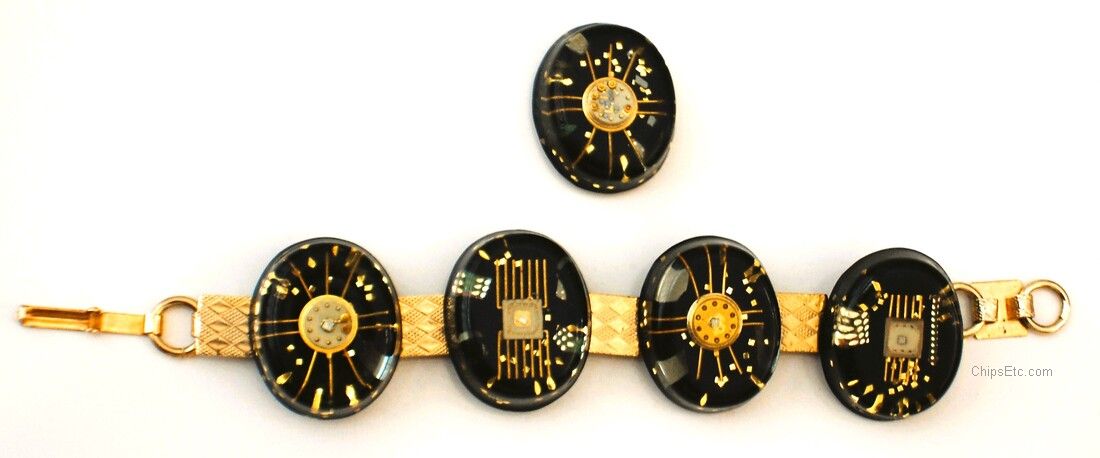
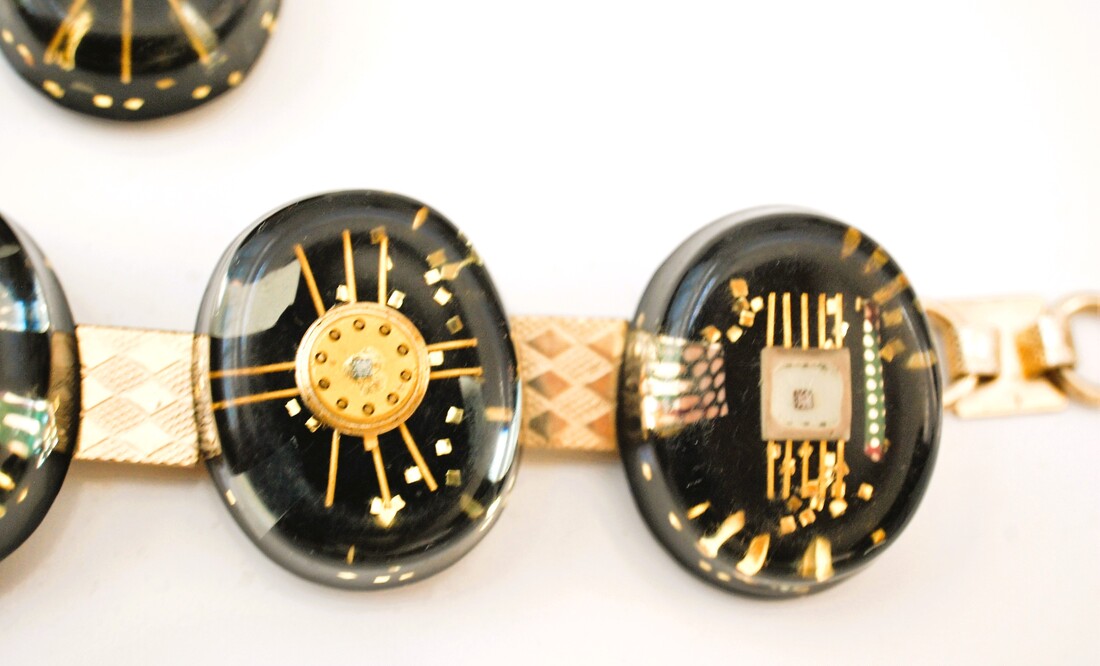
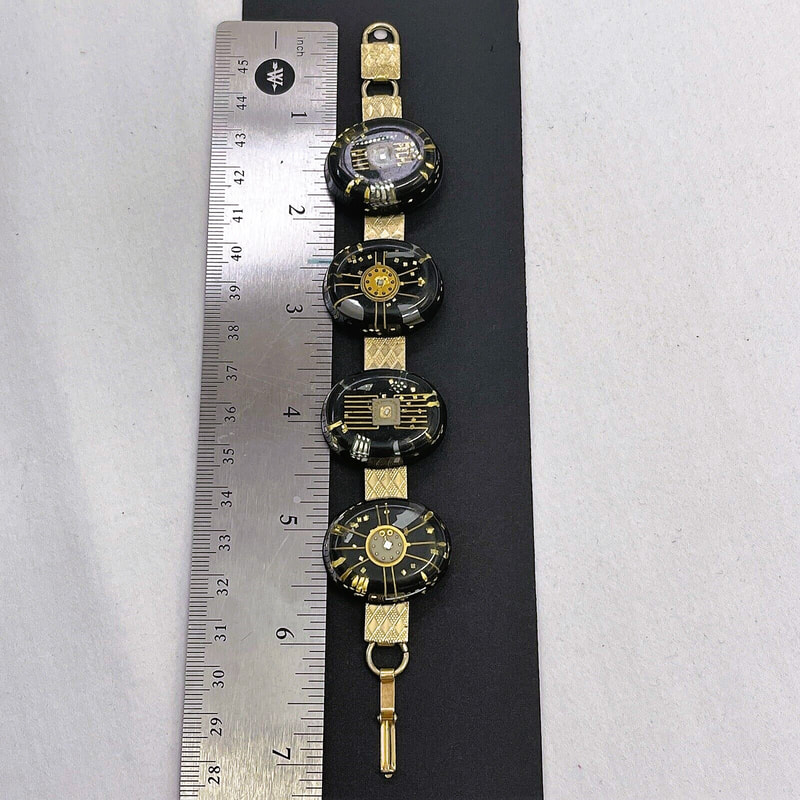
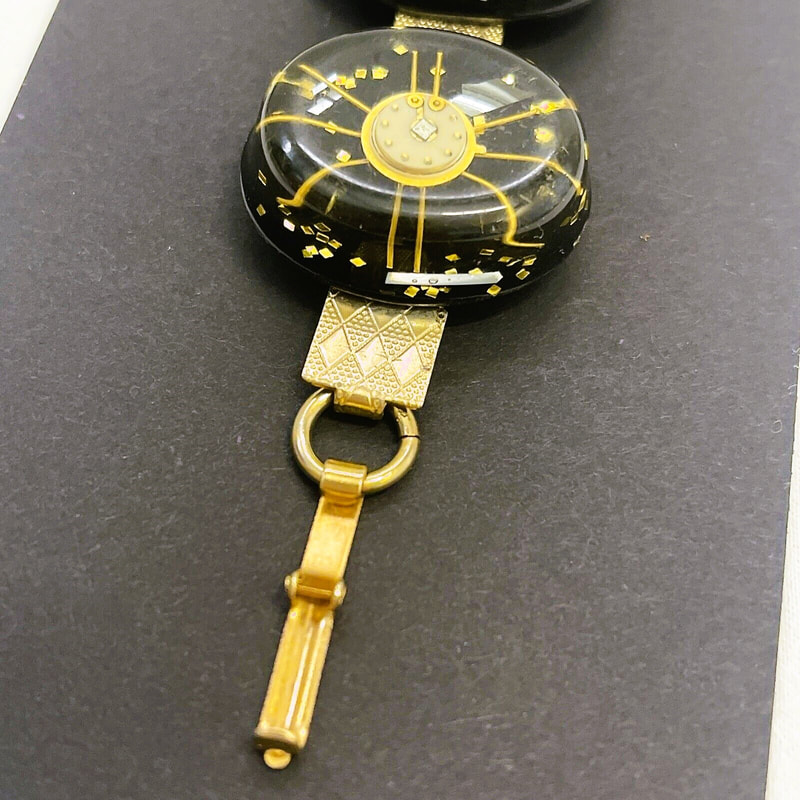
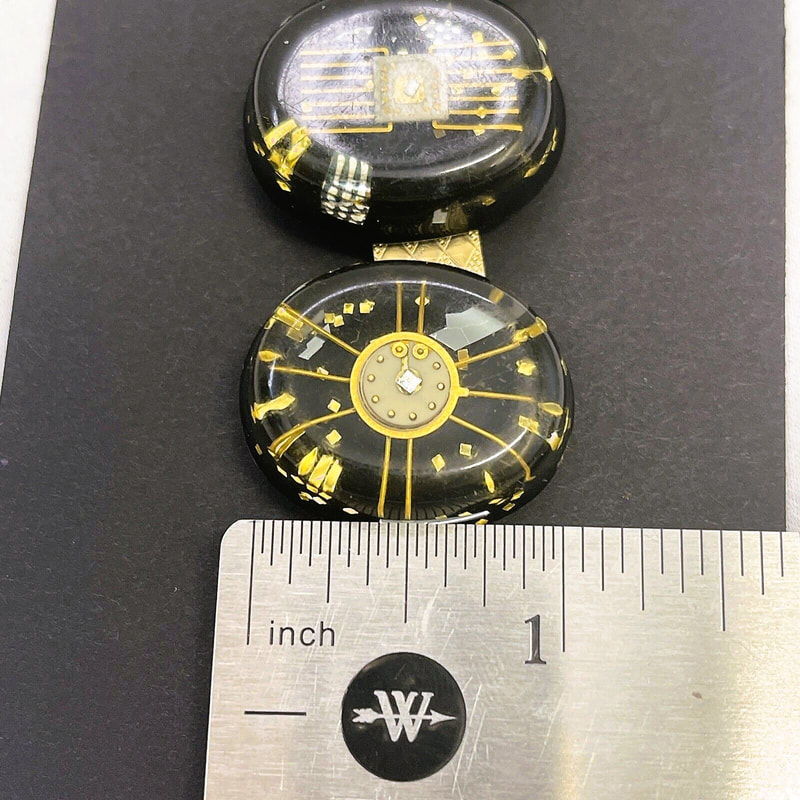
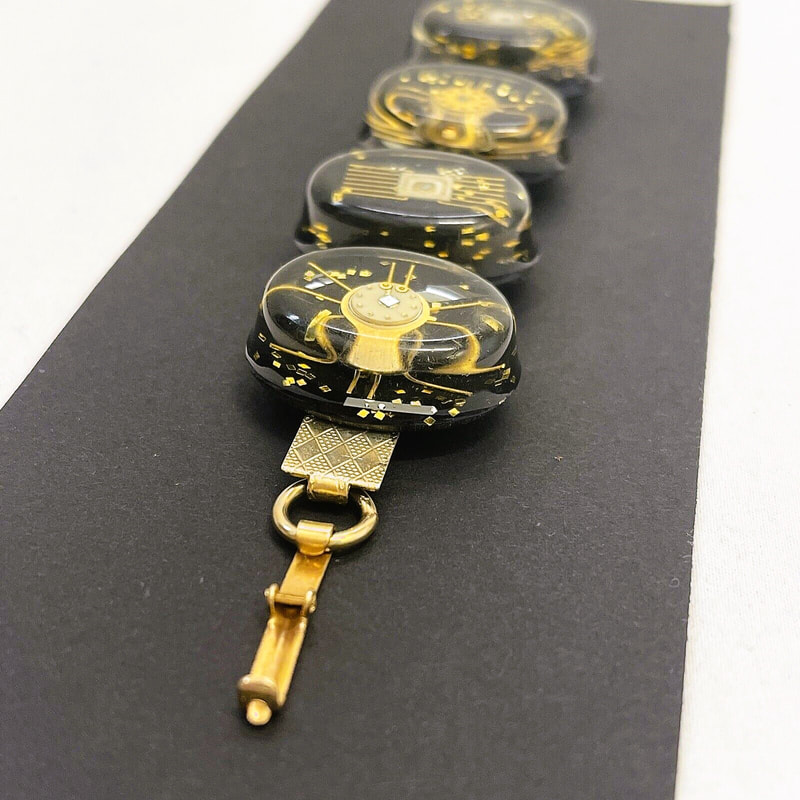
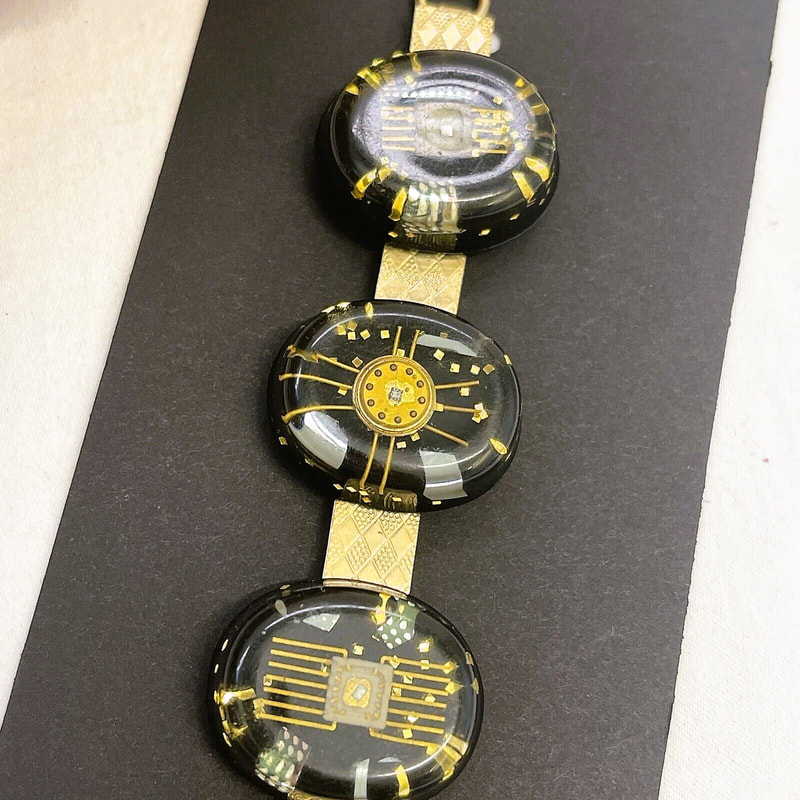
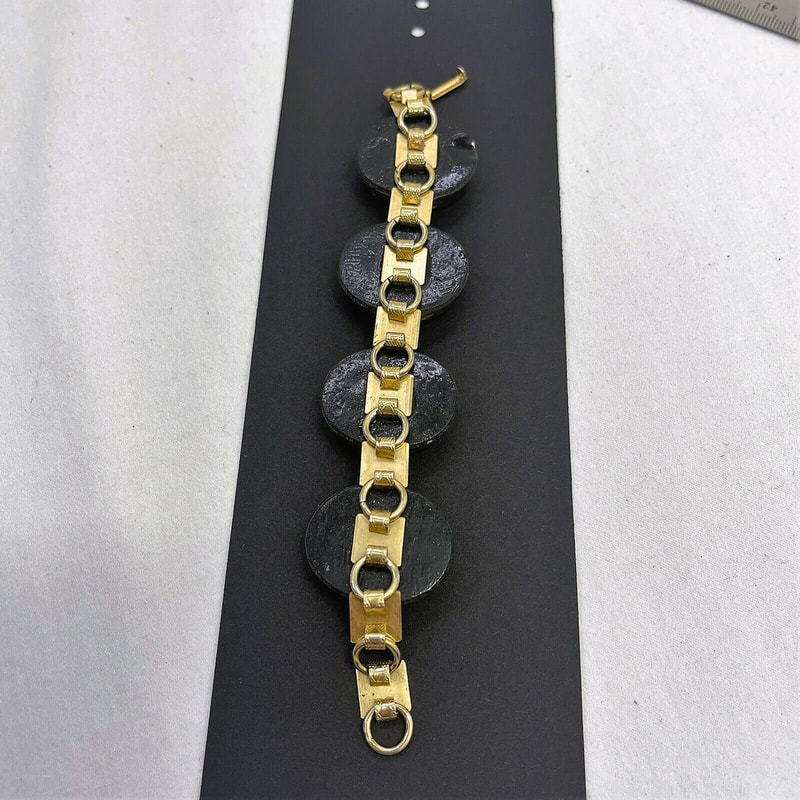
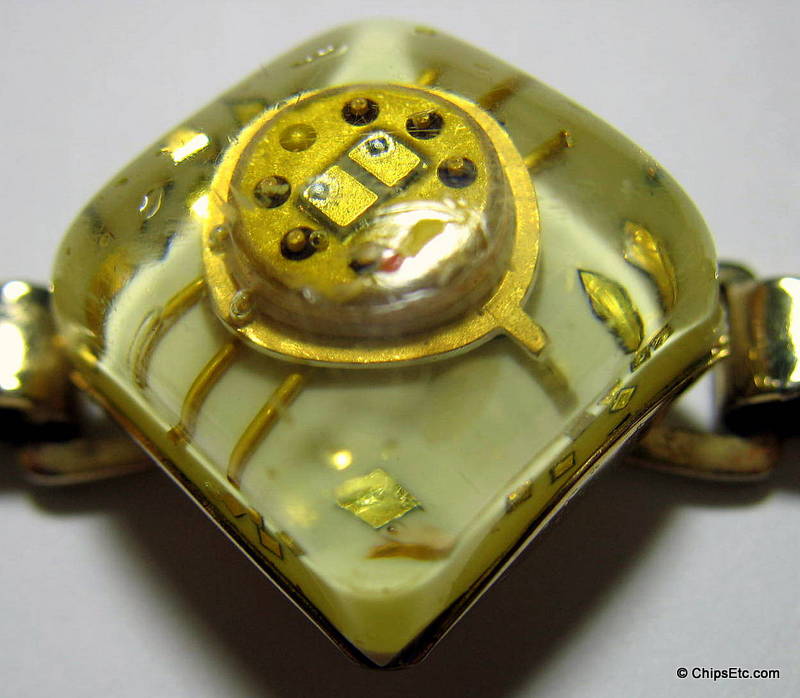
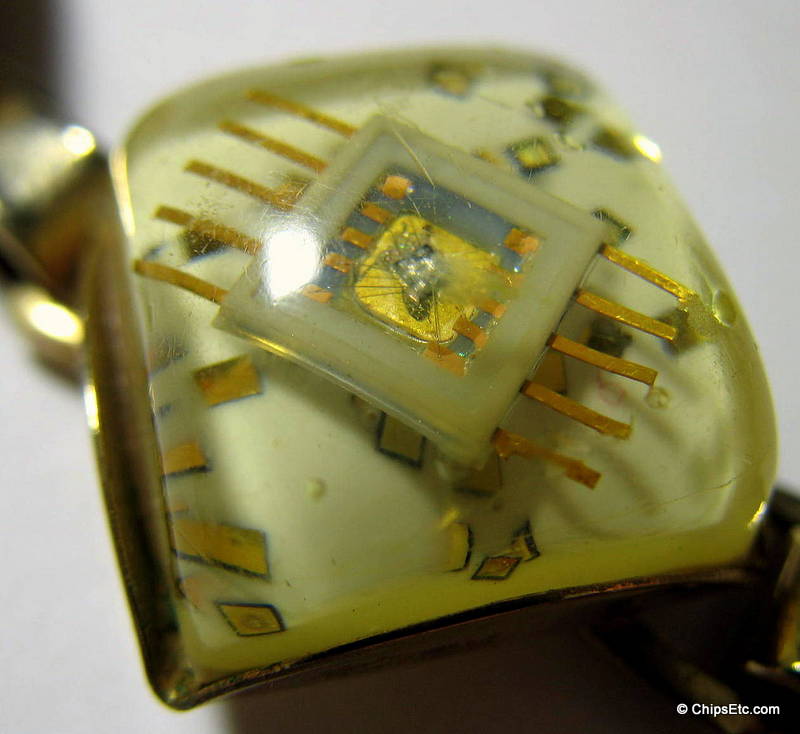
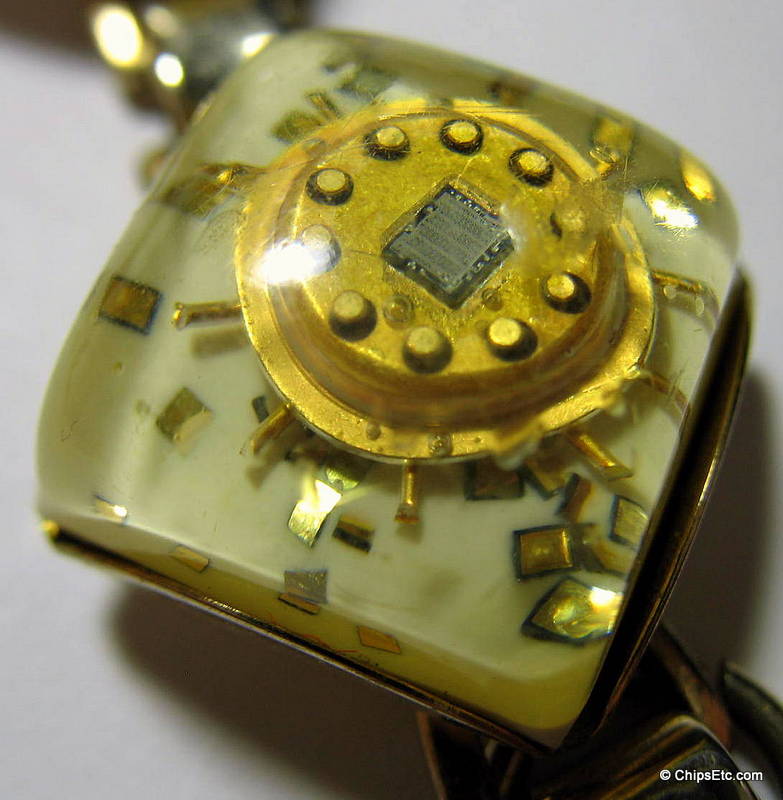
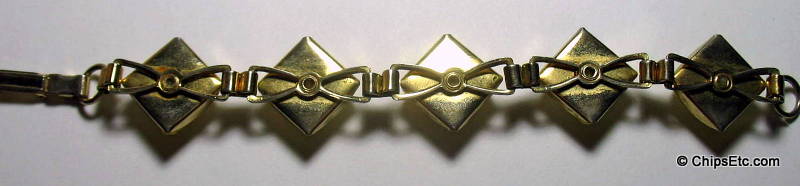
Acrylic bracelet and brooch set with Integrated Circuits (1970s)
Item #1029
This vintage jewelry set contains a bracelet, and a matching brooch.
Each of the 5 acrylic pieces in this jewelry set have various examples of high-reliability, gold plated, integrated circuits.
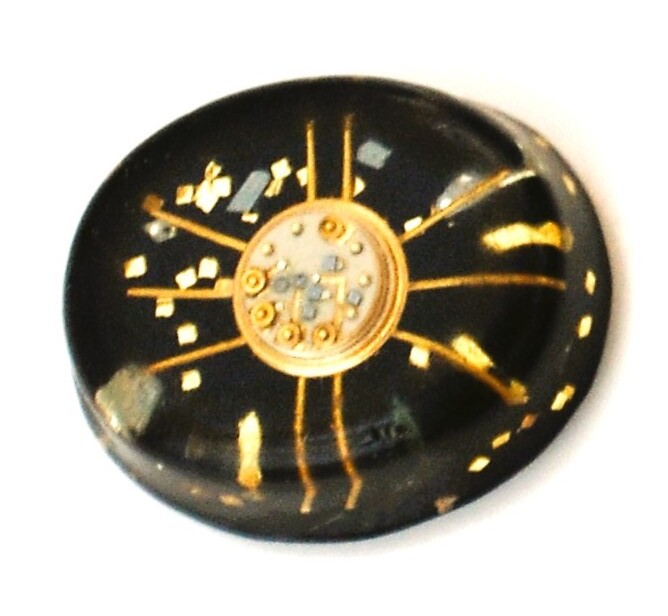
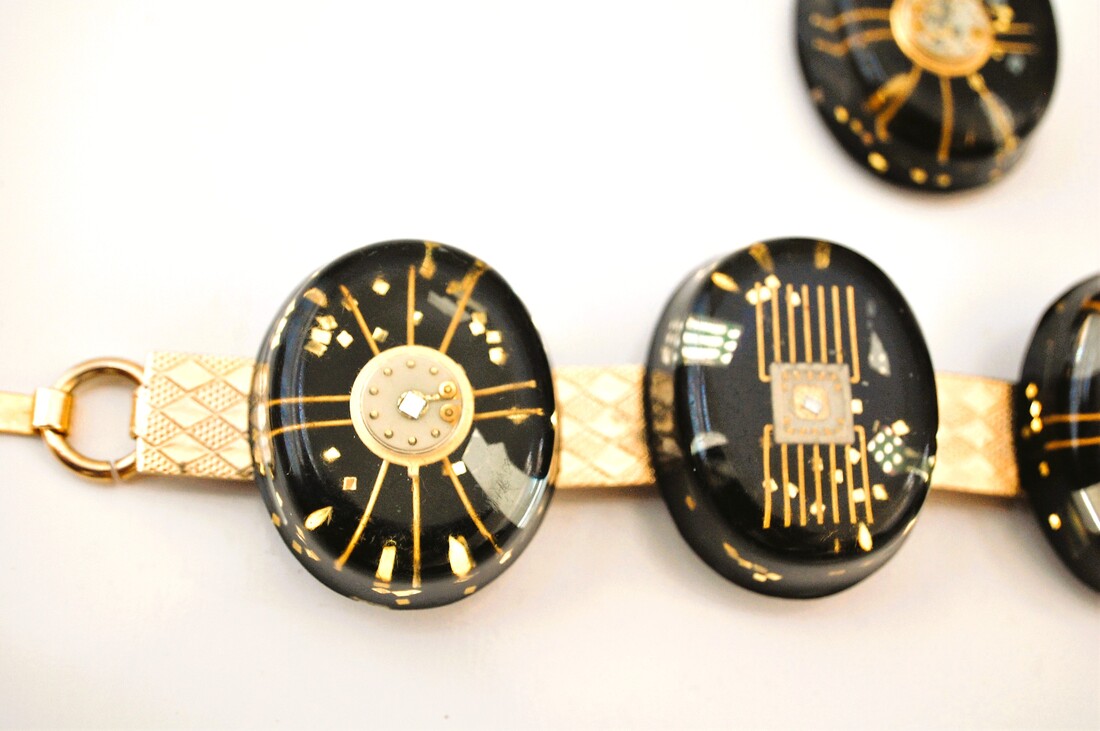
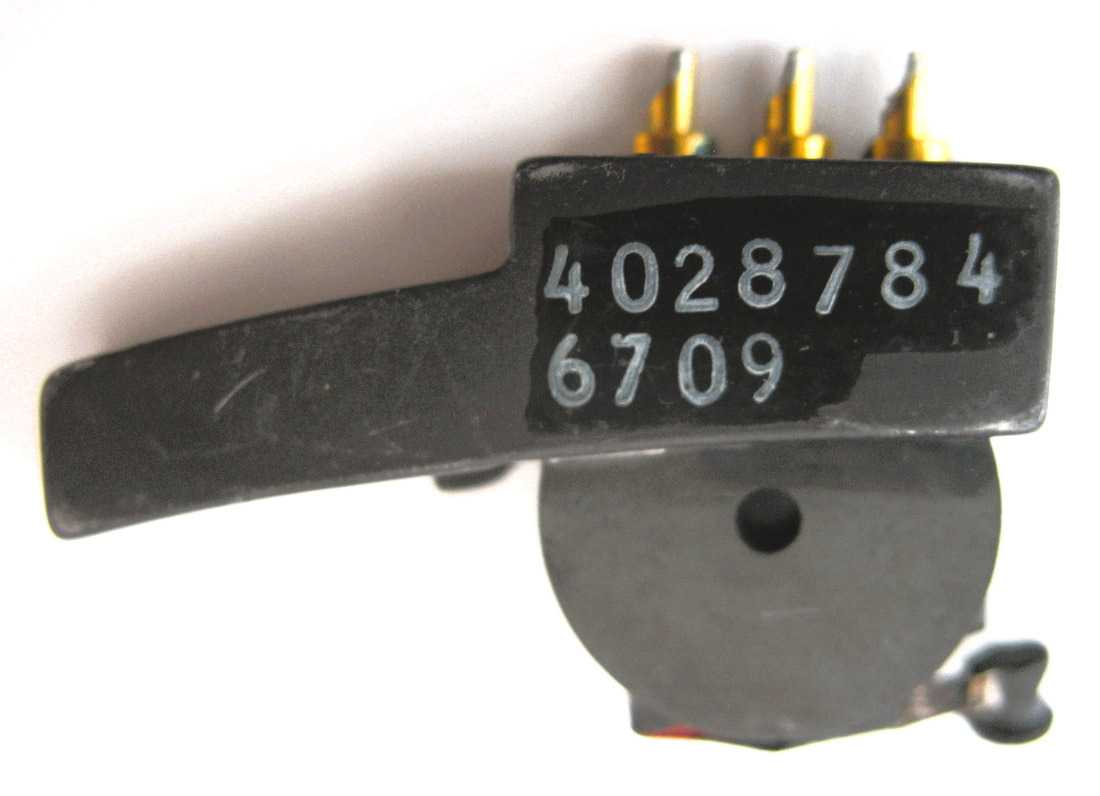
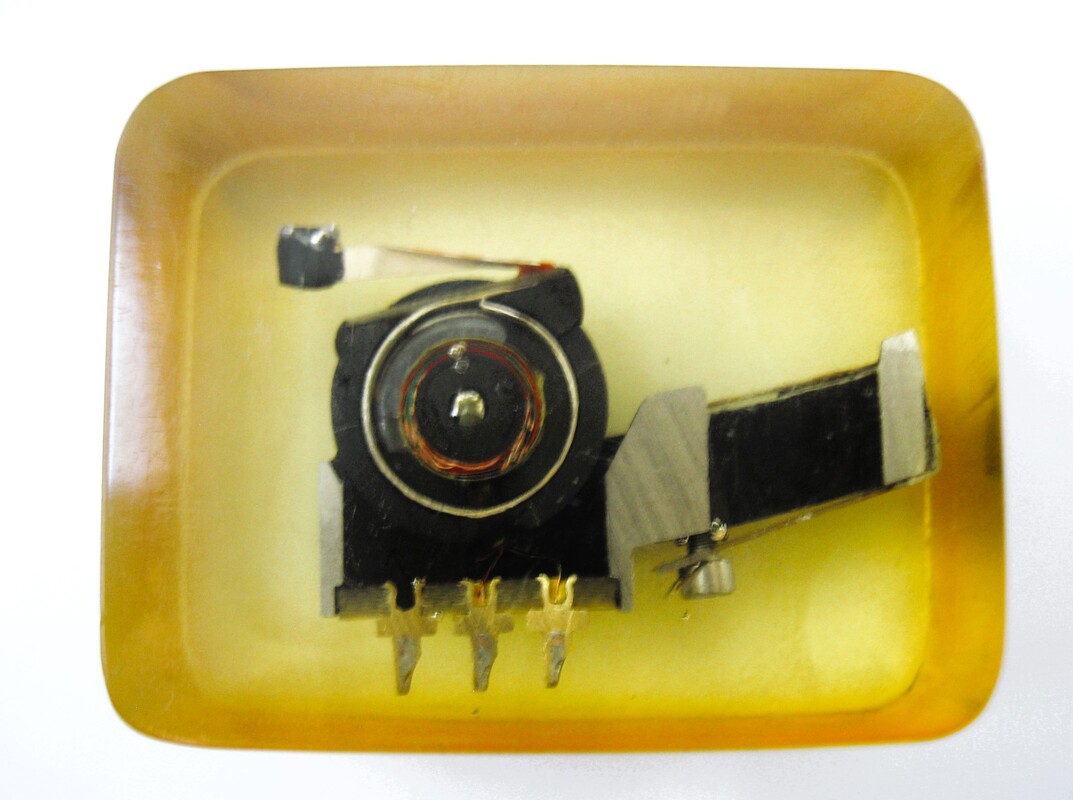
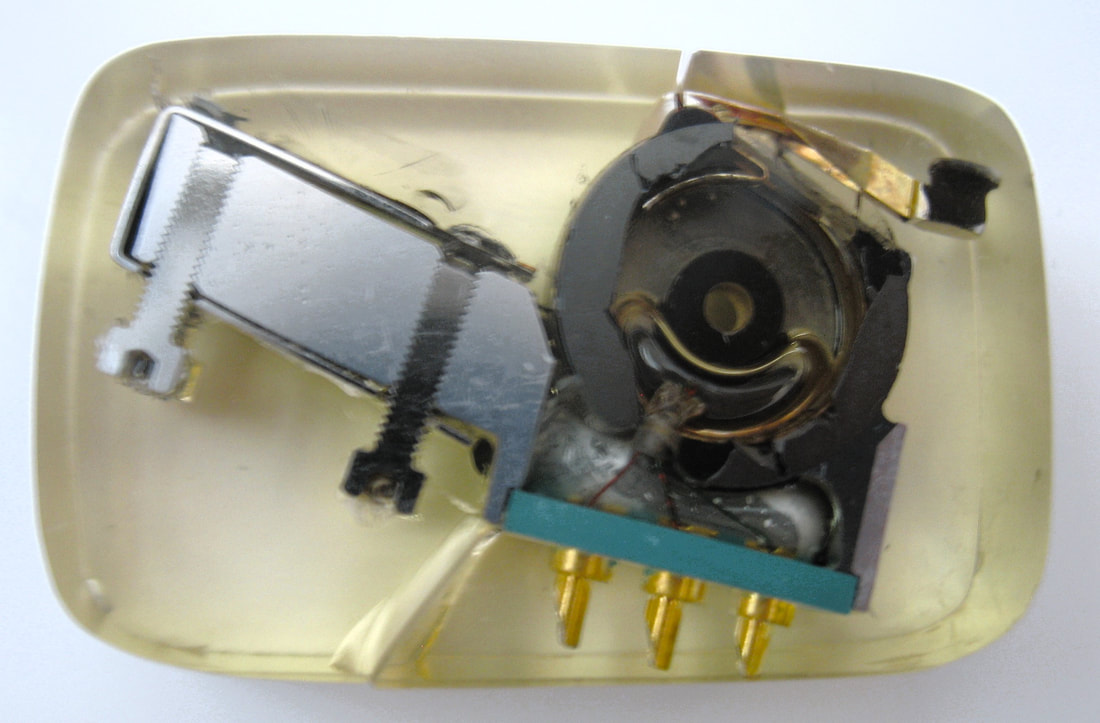
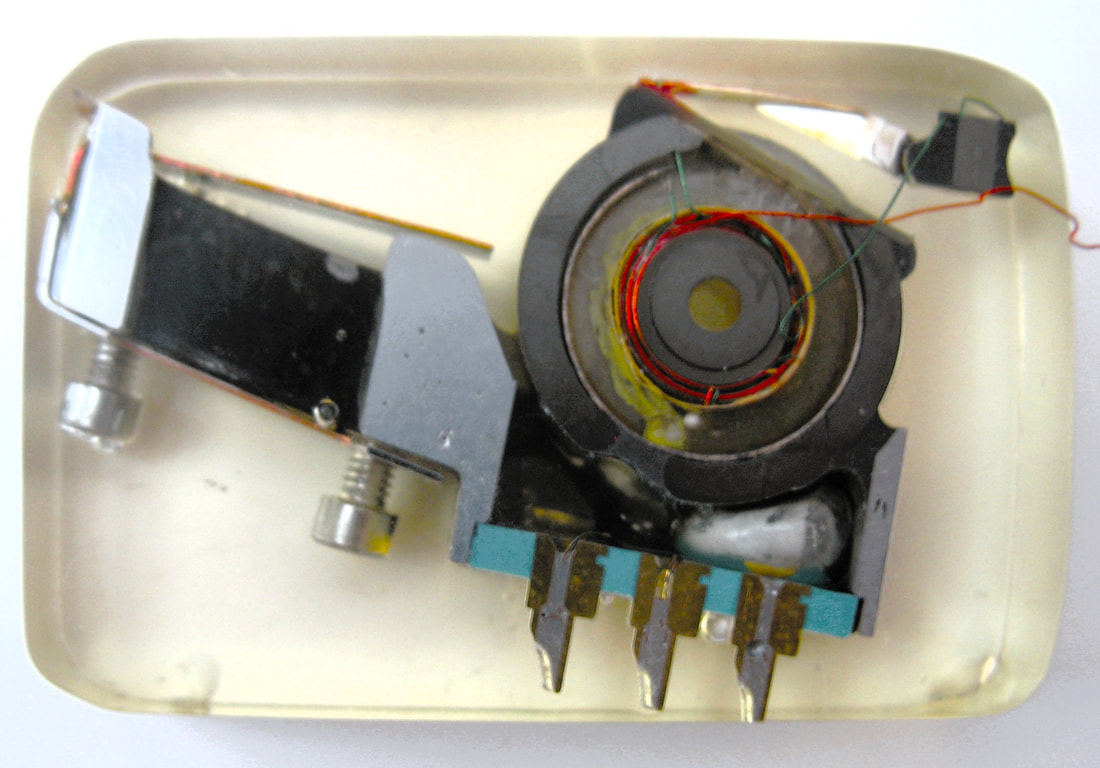
Lucite production test samples for switching / sensor units (unkown)
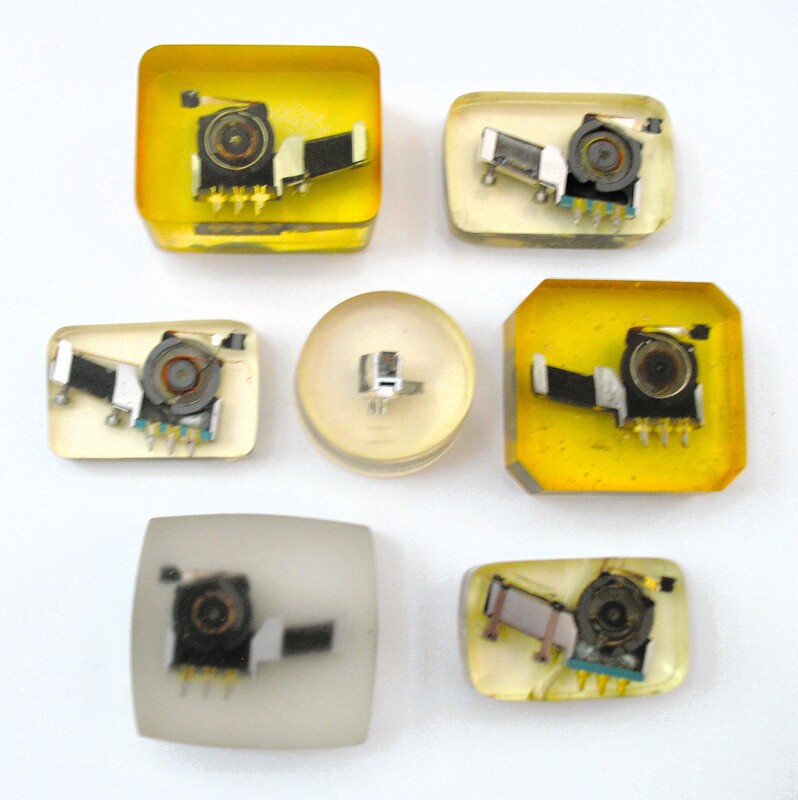 Items grouped as #1035
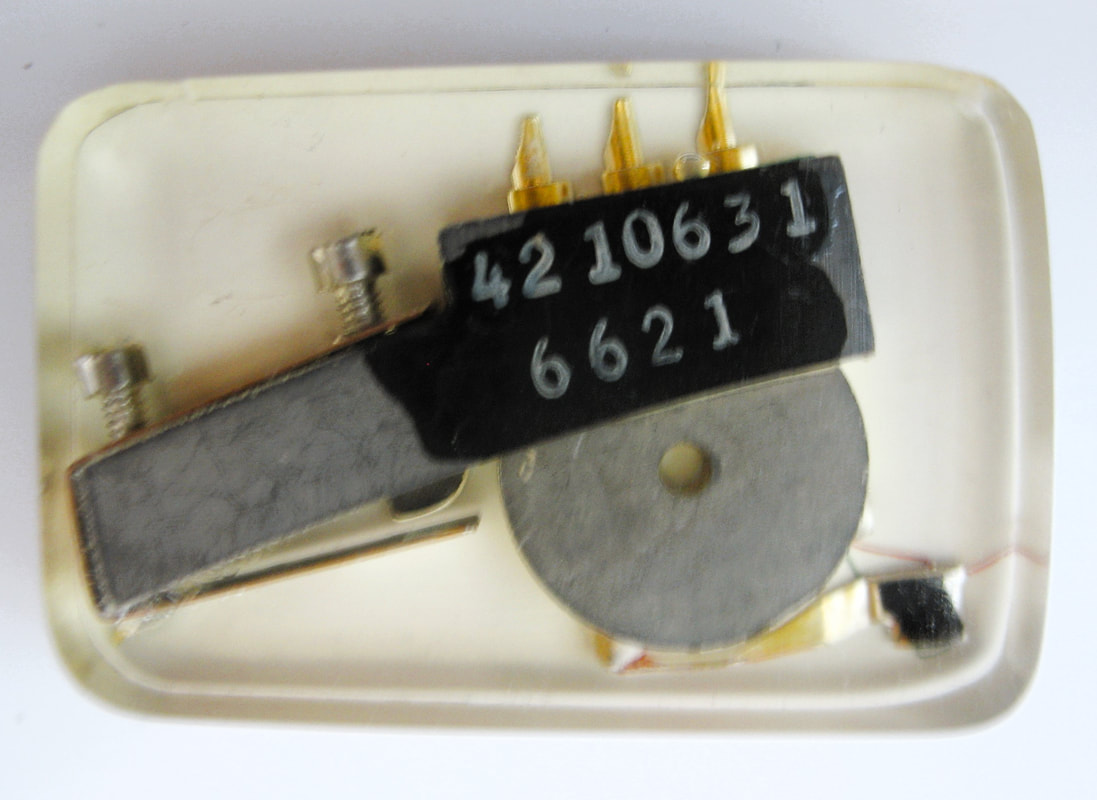
This is a group of electrical switching / sensor units of unknown date and origin.
Embedded in Lucite, these were most likely used in cross sectional analyisis during prioduct developement and manufacturing.
If you know what these compoinets are, please let us know!
Acrylic Art with Electronic Components (1970s)
Sold
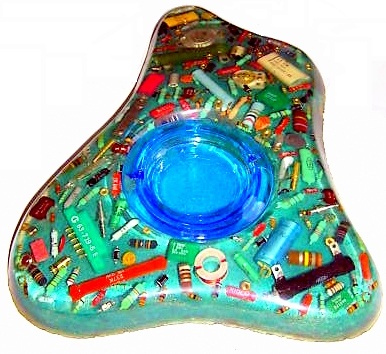
Acrylic ashtray in the form of a hand made art piece featuring various discrete electronic components from the 1970's, including capacitors, resistors, inductors, connectors and diodes.
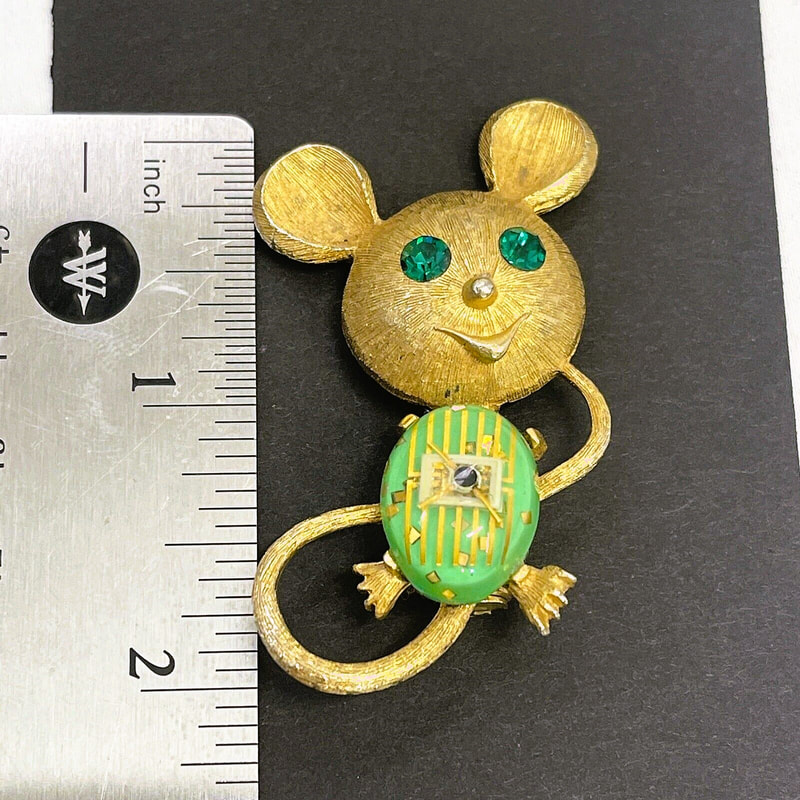
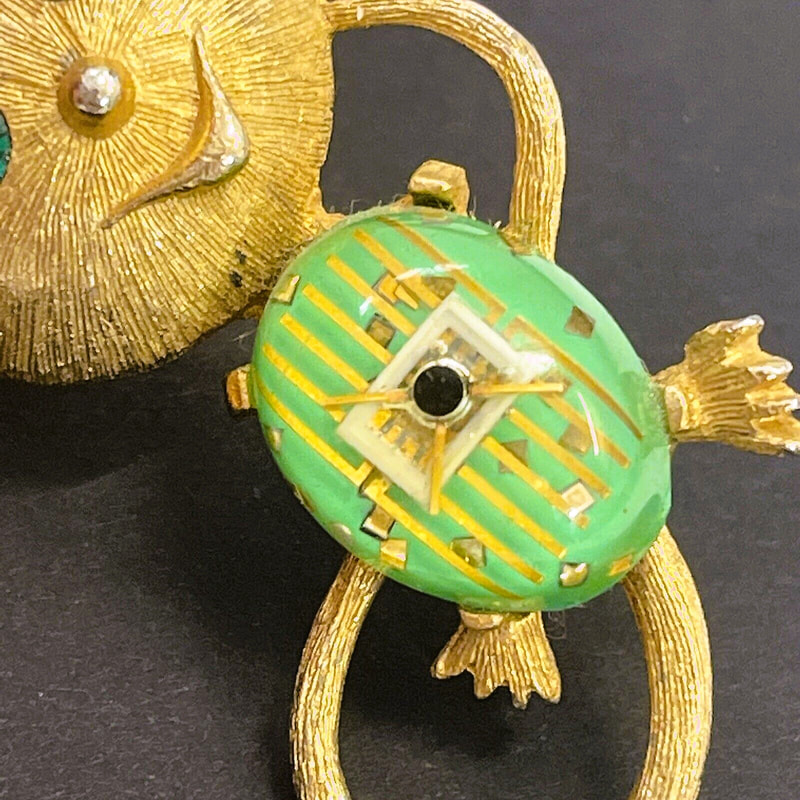
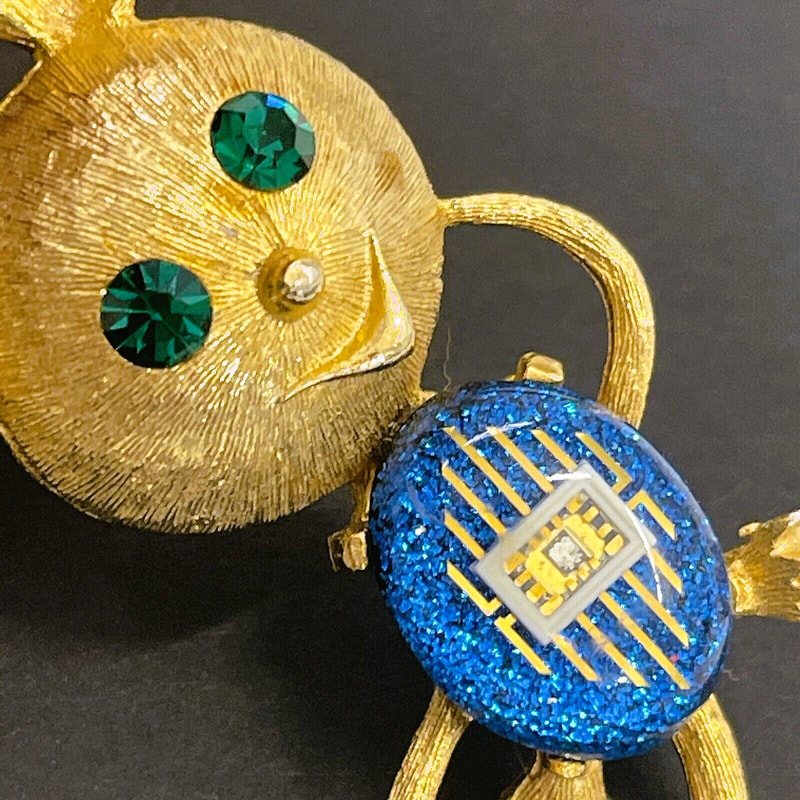
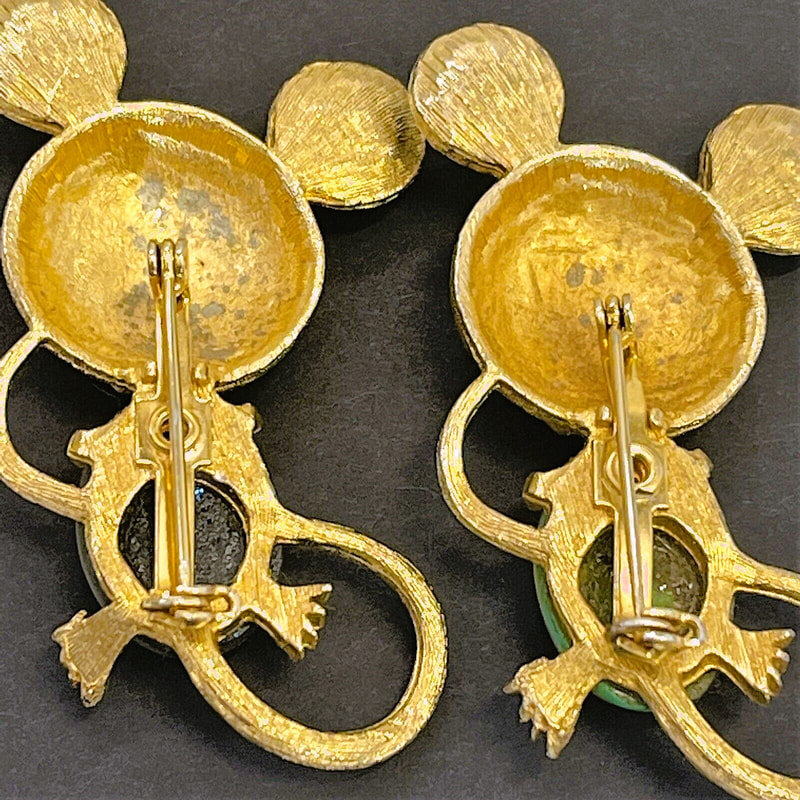
Mouse character brooches with Integrated Circuits (1970s)
Item #1028
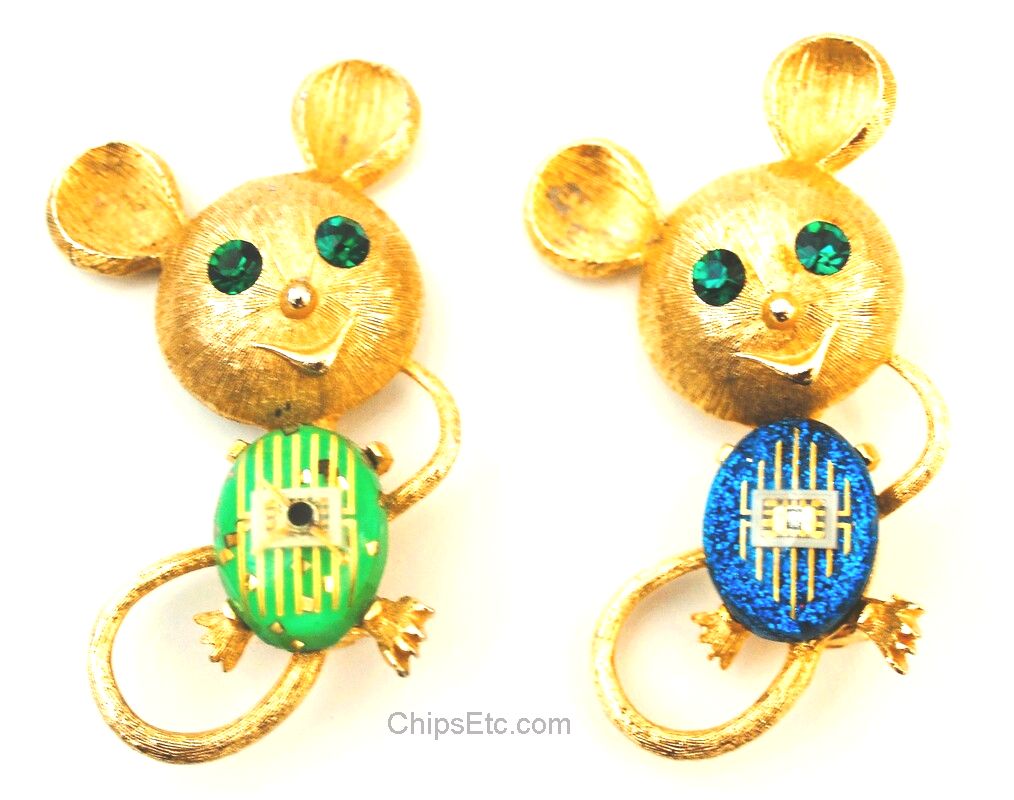
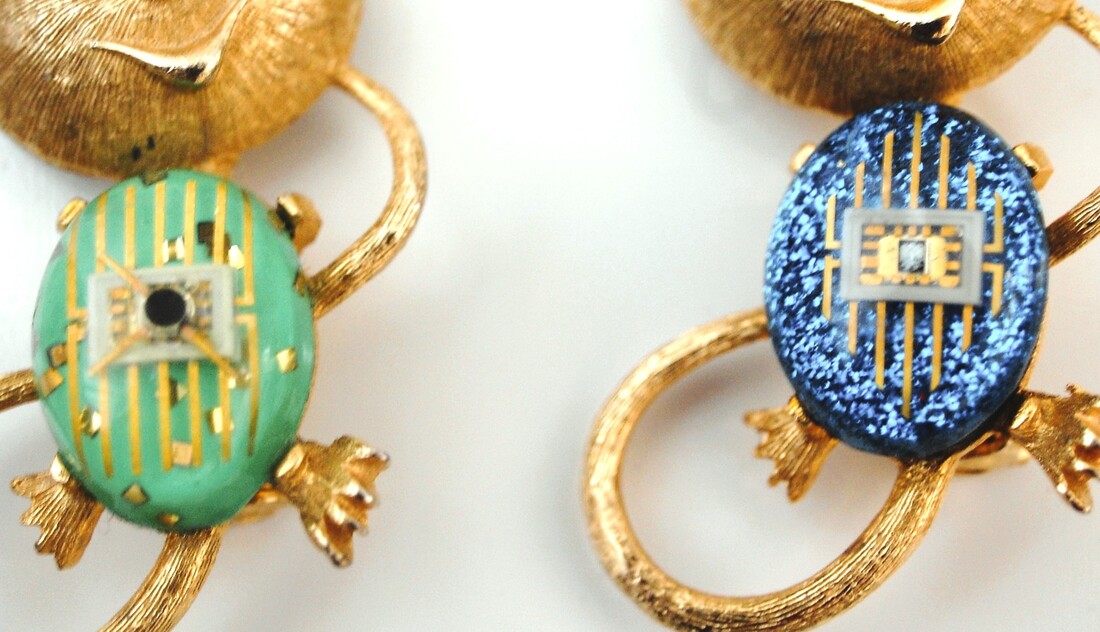
This pair of brooches feature a unique mix of character figures and integrated circuit chips.
The integrated circuits are embedded inside oval shaped acrylic and mounted on the gold tint cast metal mouse figurines.
The integrated circuits are embedded inside oval shaped acrylic and mounted on the gold tint cast metal mouse figurines.
Semiconductor art Acrylic Ashtray (Mid to Late 1960s)
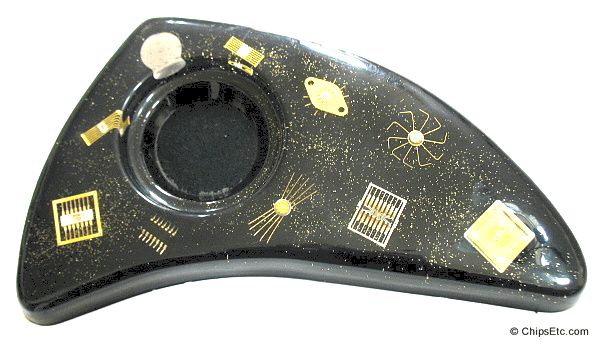 Item #840
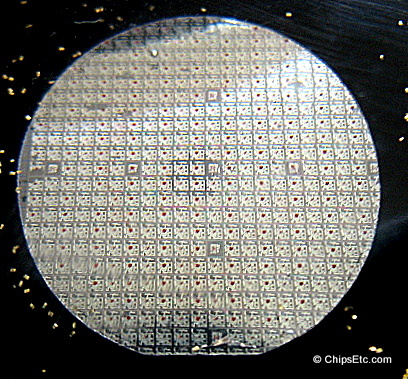
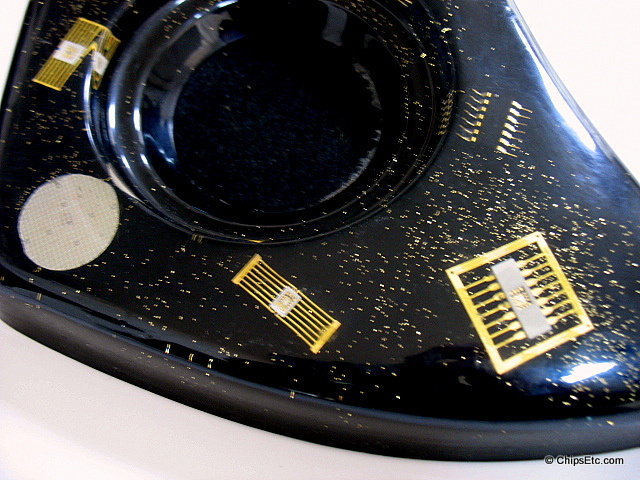
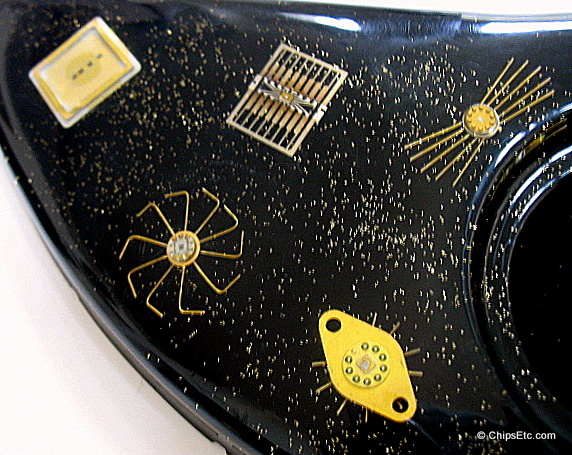
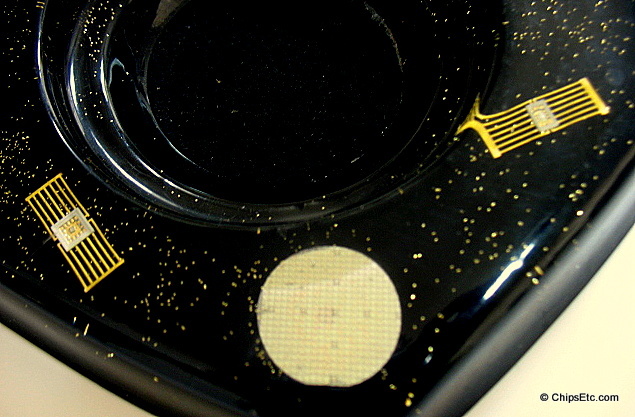
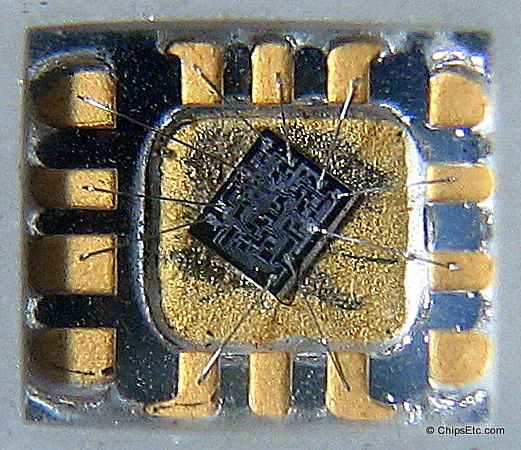
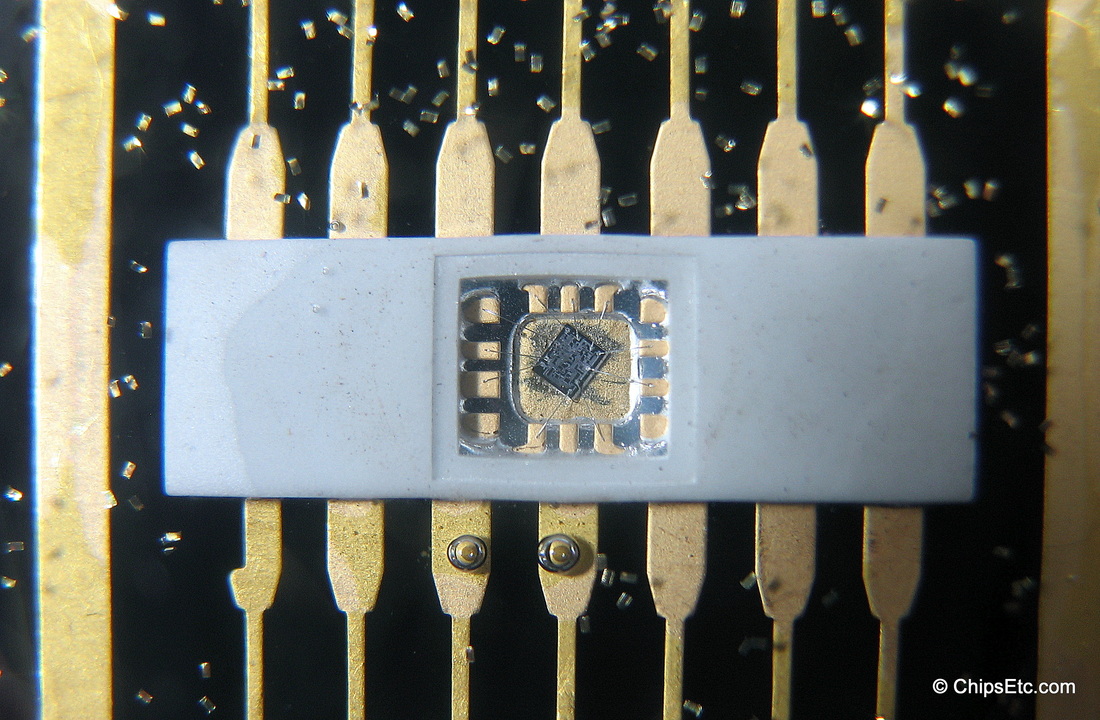
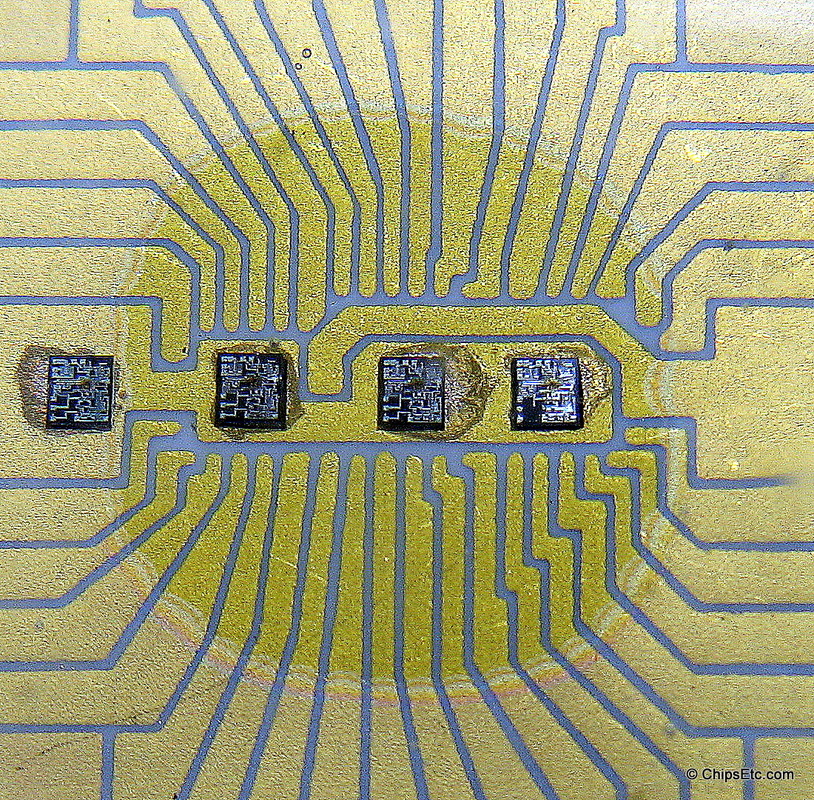
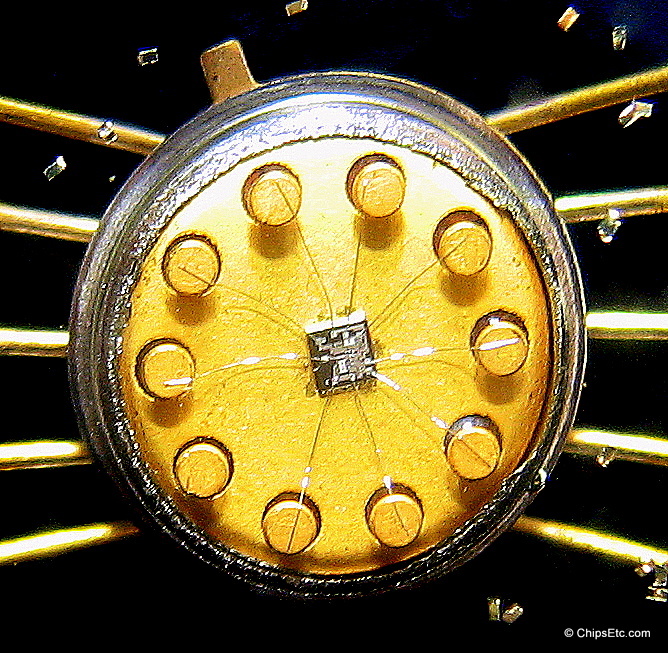
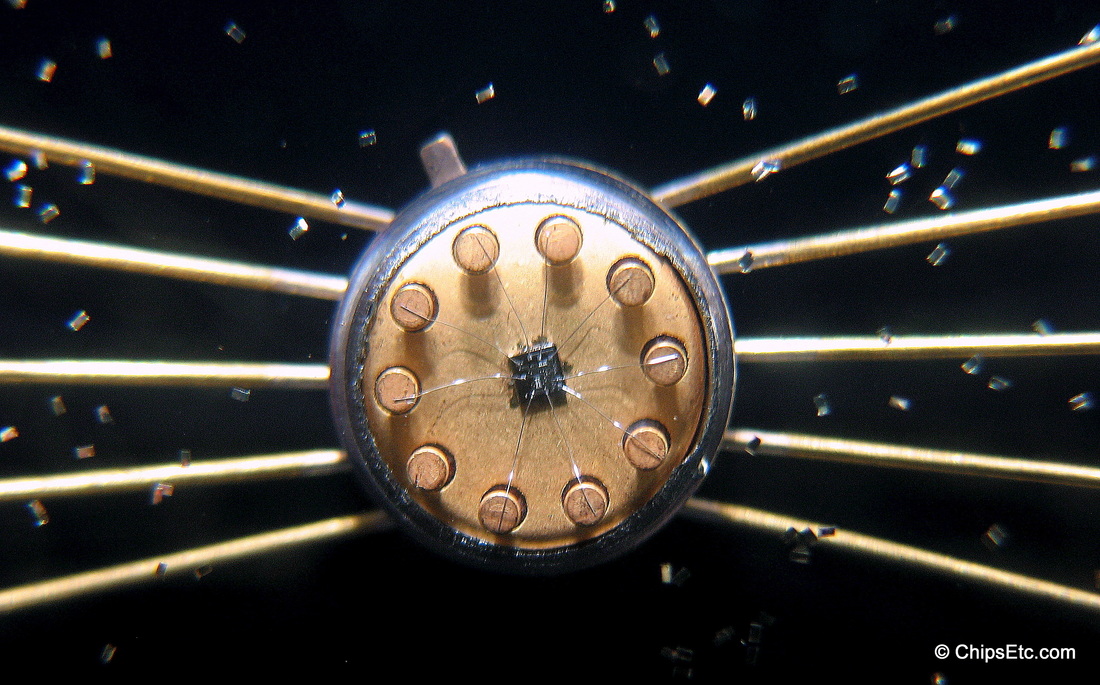
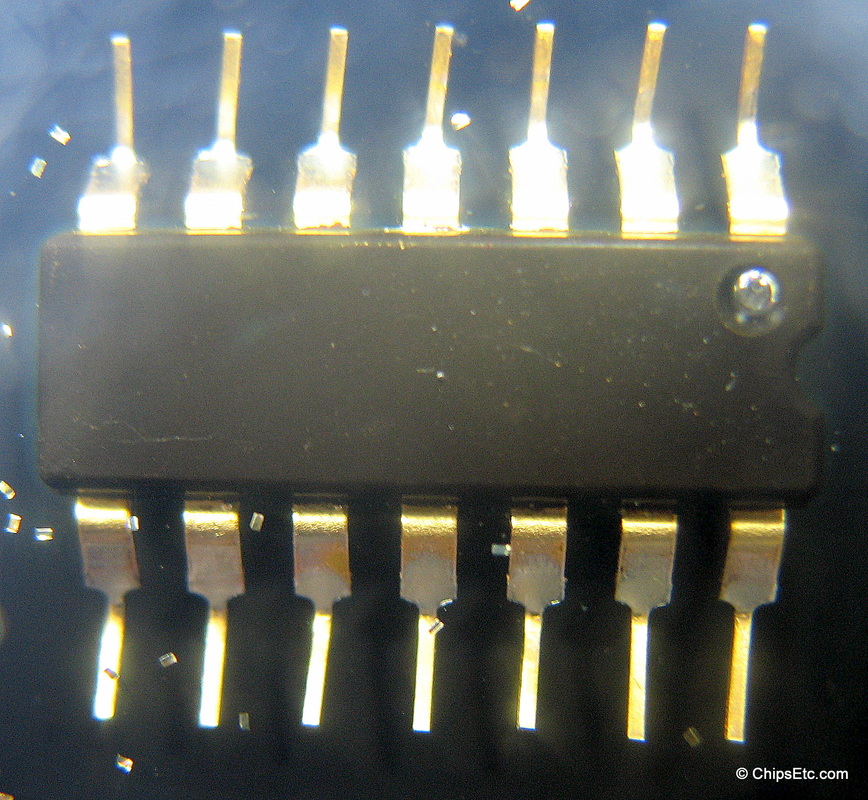
This is an another 8" x 6" Acrylic art ashtray that has nine 1960's era gold and ceramic hybrid and monolithic Integrated Circuits in various packaging styles, and also has a 1" silicon wafer embedded in it.
These are most likely military or aerospace grade Integrated Circuits due to the heavy use of gold plating on packages & leads.
These are most likely military or aerospace grade Integrated Circuits due to the heavy use of gold plating on packages & leads.
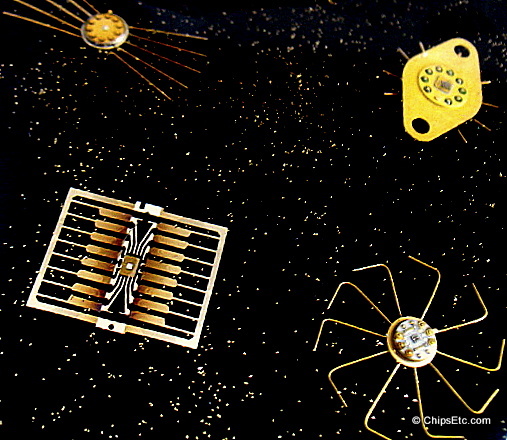
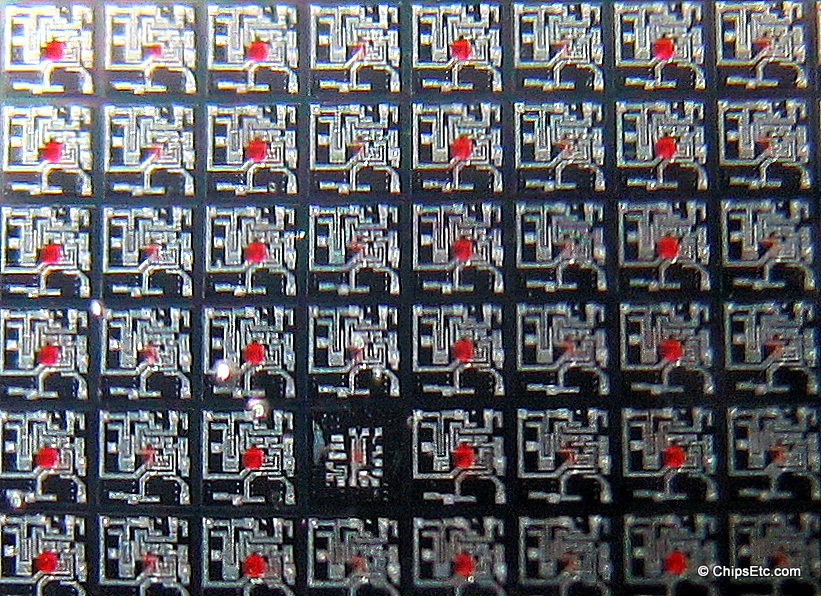
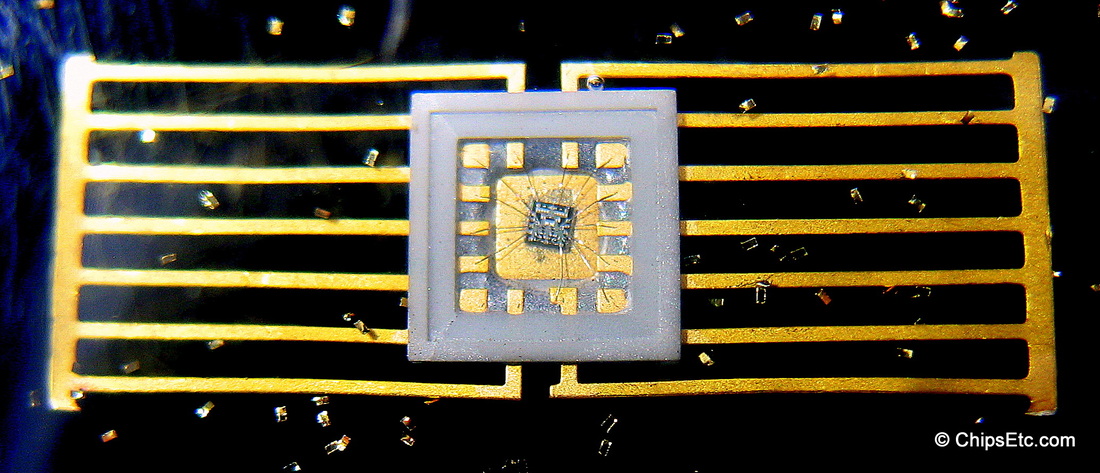
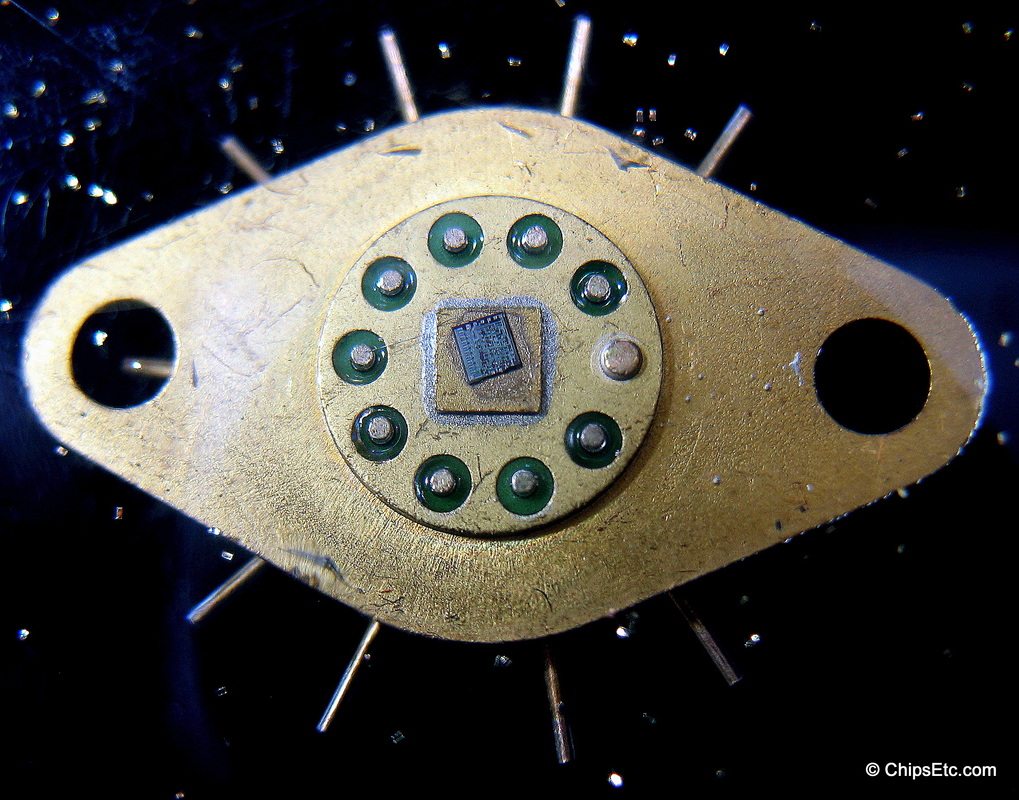
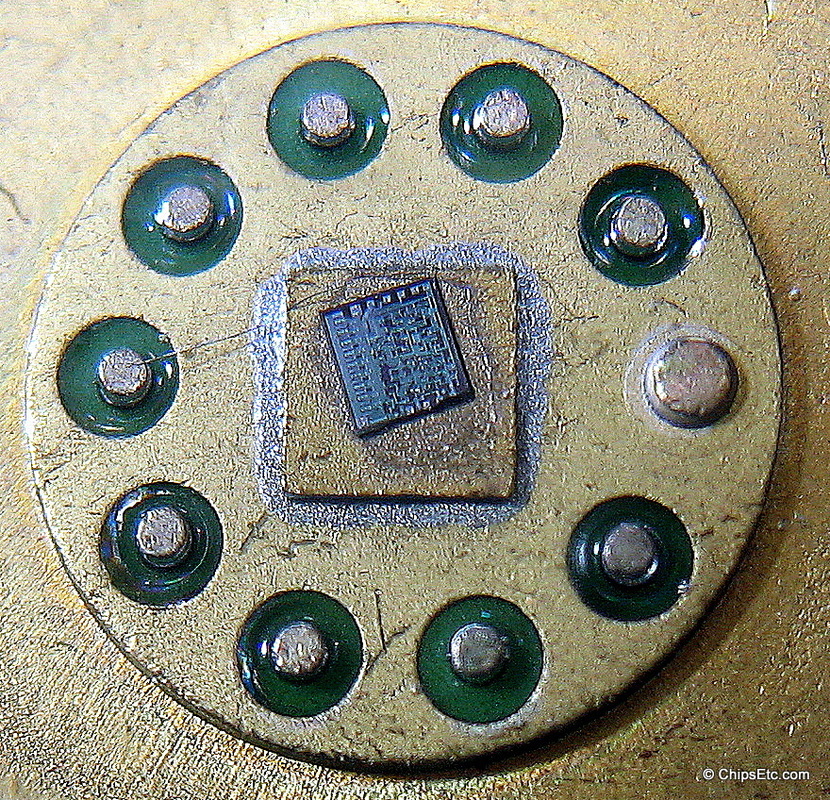

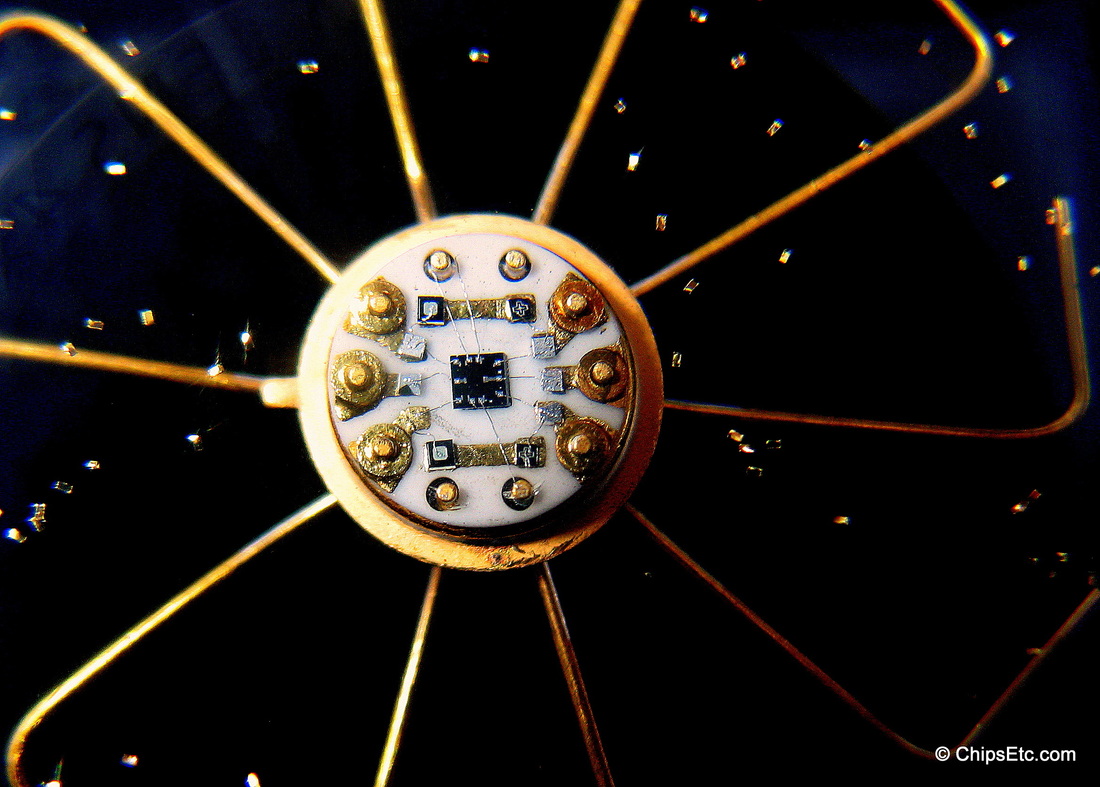
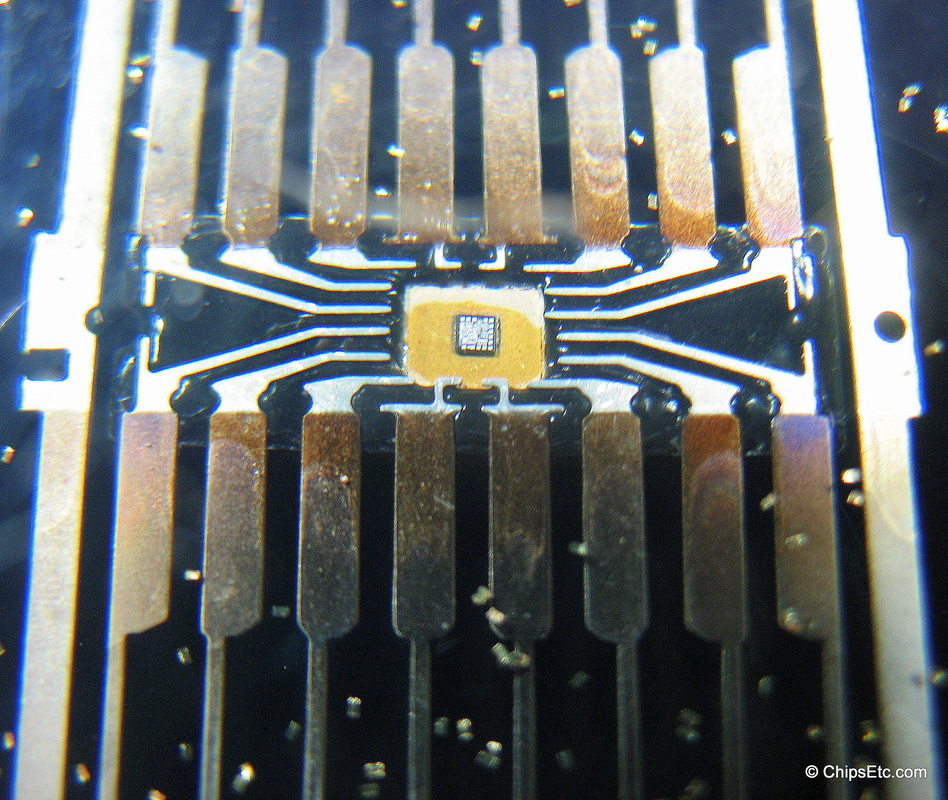
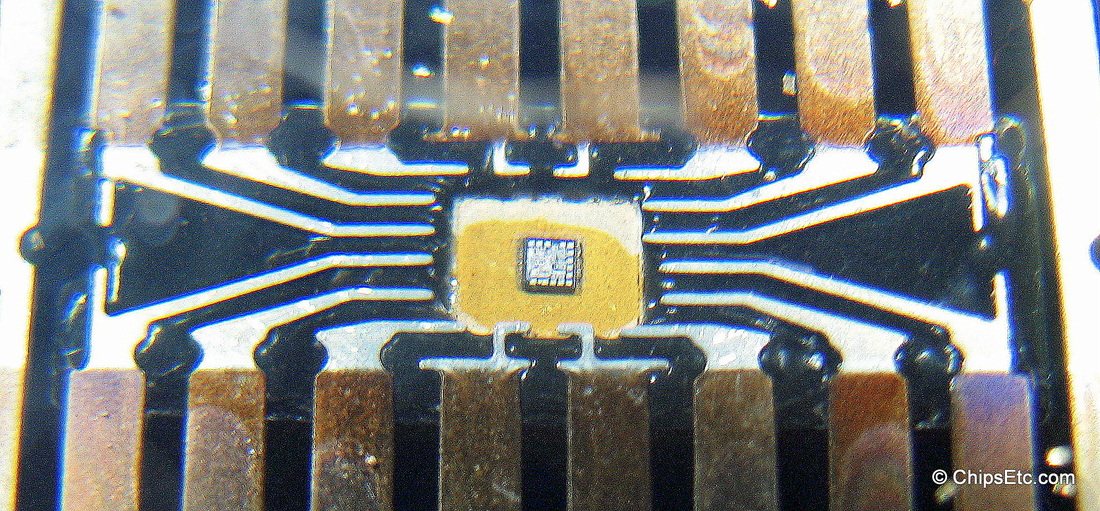

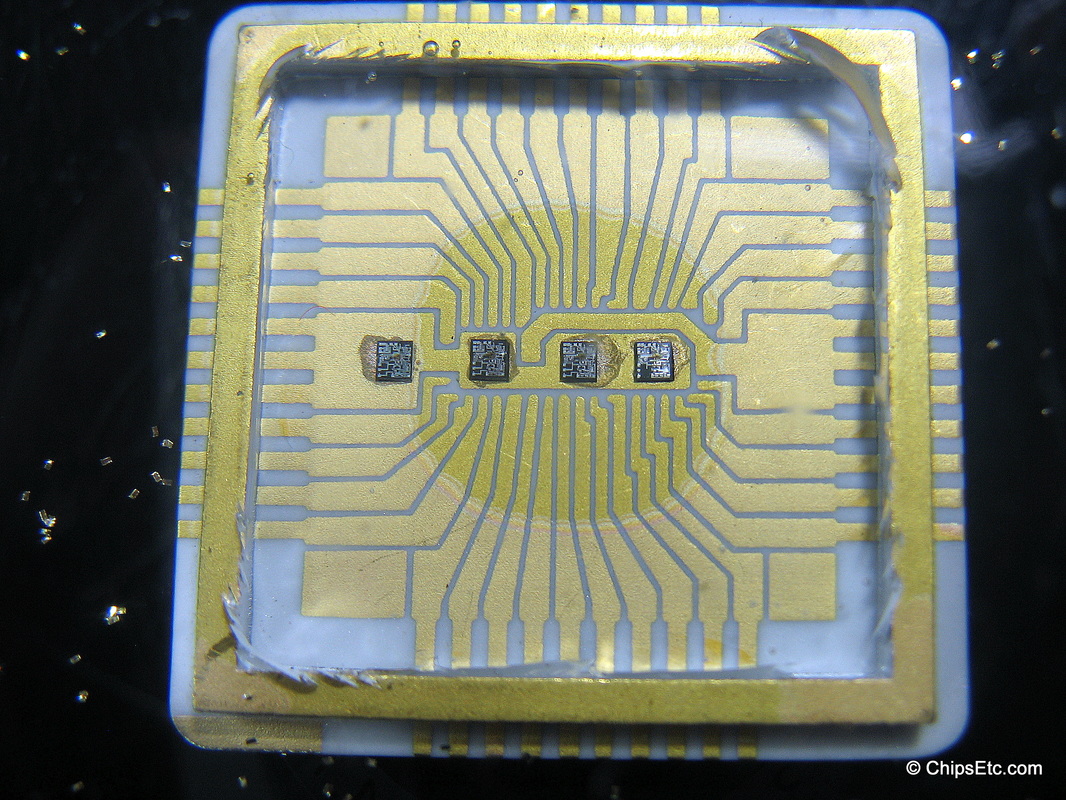

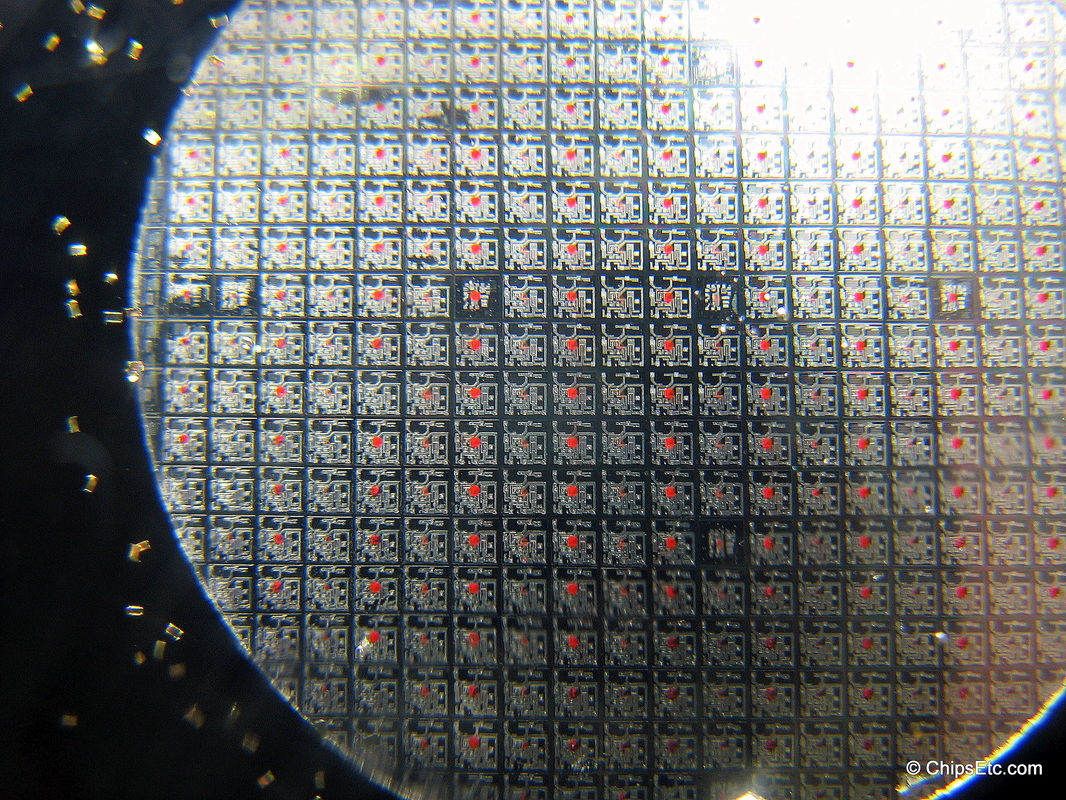
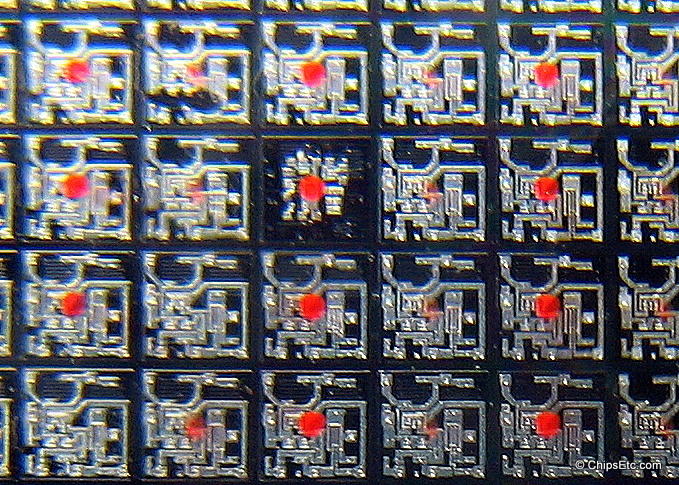
Art w/ Gold Computer Chips & Integrated Circuits (Late 1960s)

Item #890
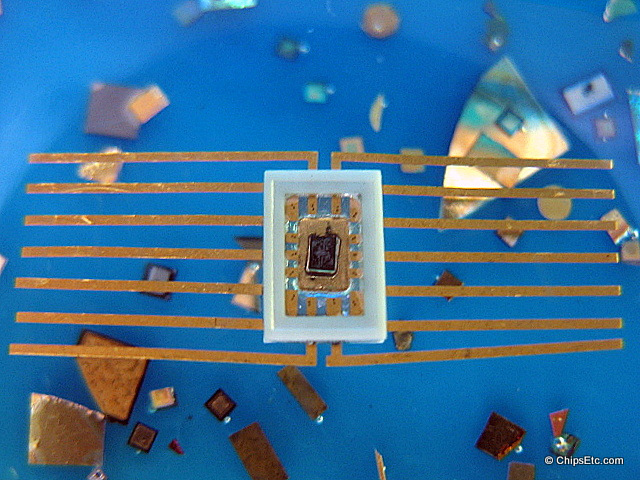
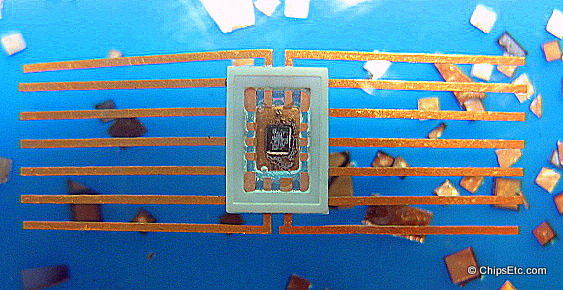
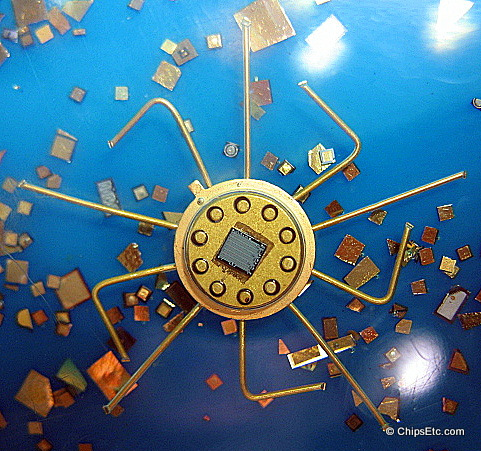
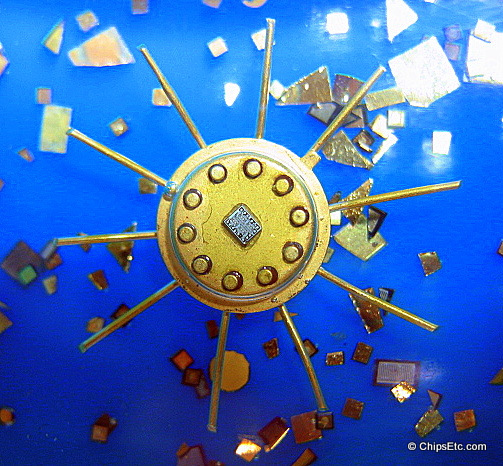
This is another 8" x 6" Acrylic art ashtray with numerous types of gold and ceramic monolithic integrated circuit packages & loose chips embedded inside the piece.
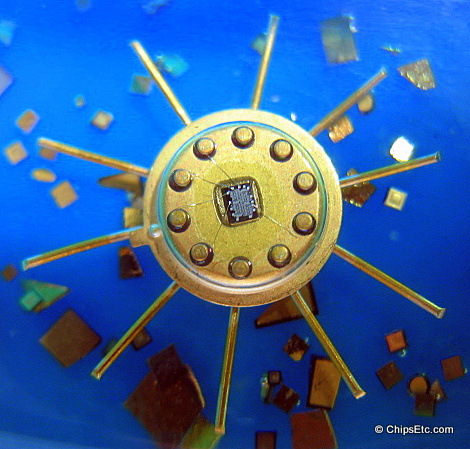
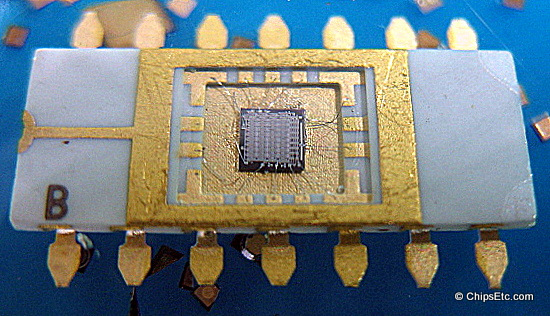


Acrylic Jewelry set with Gold Integrated Circuits (1970s)
Item #976
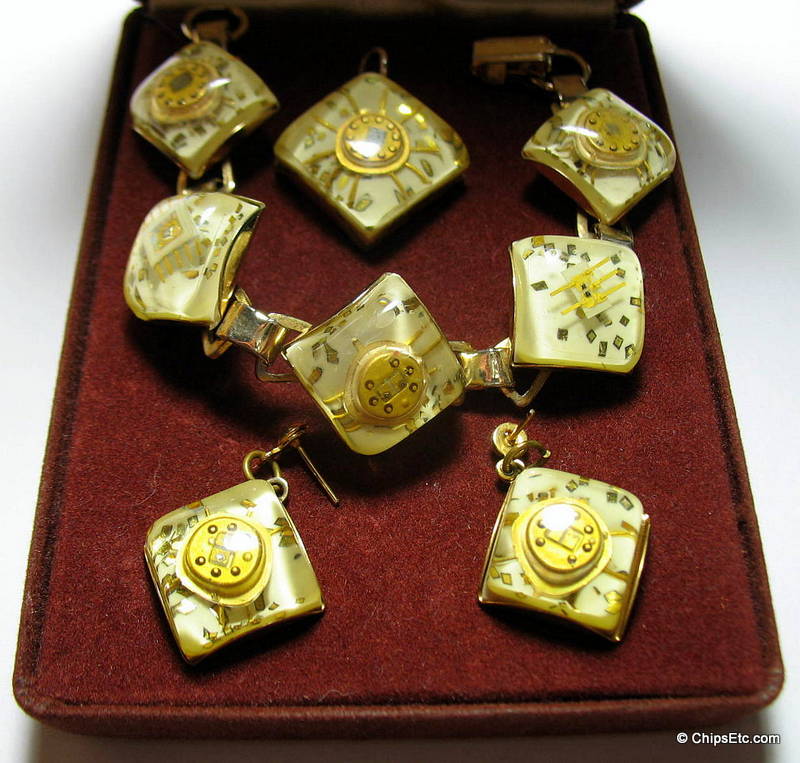
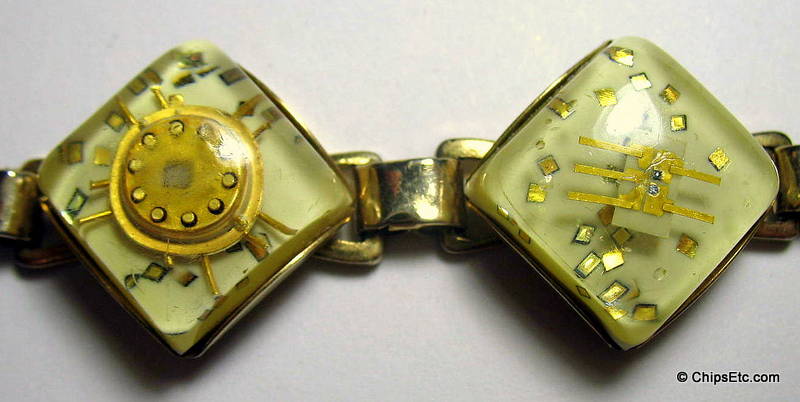
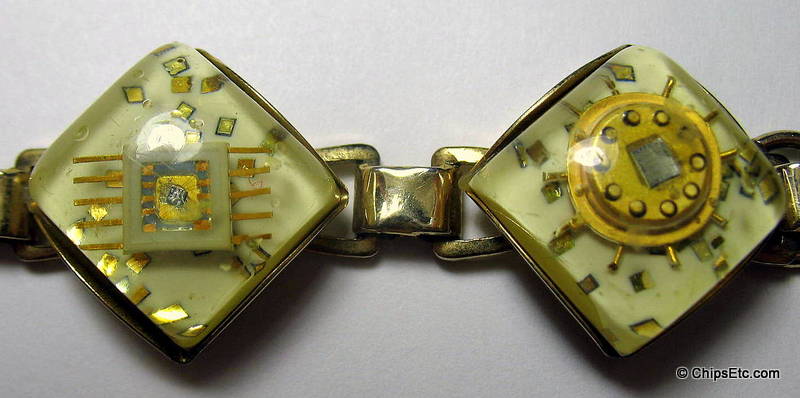
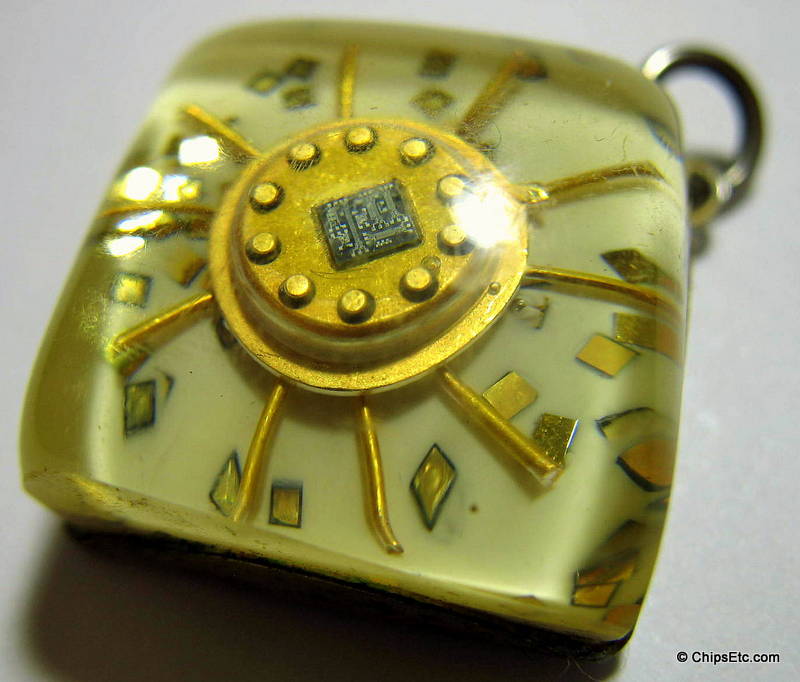
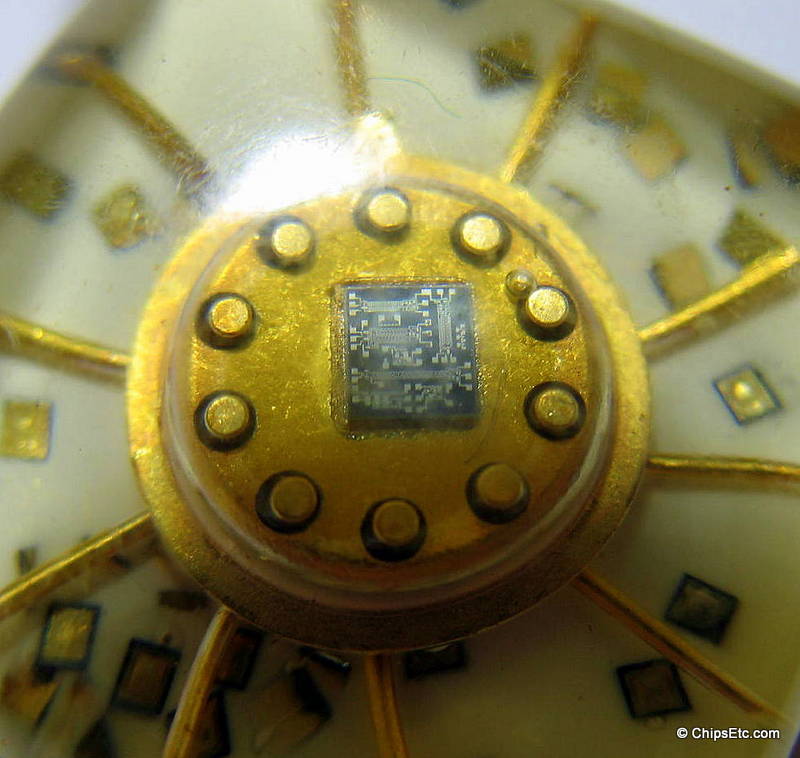
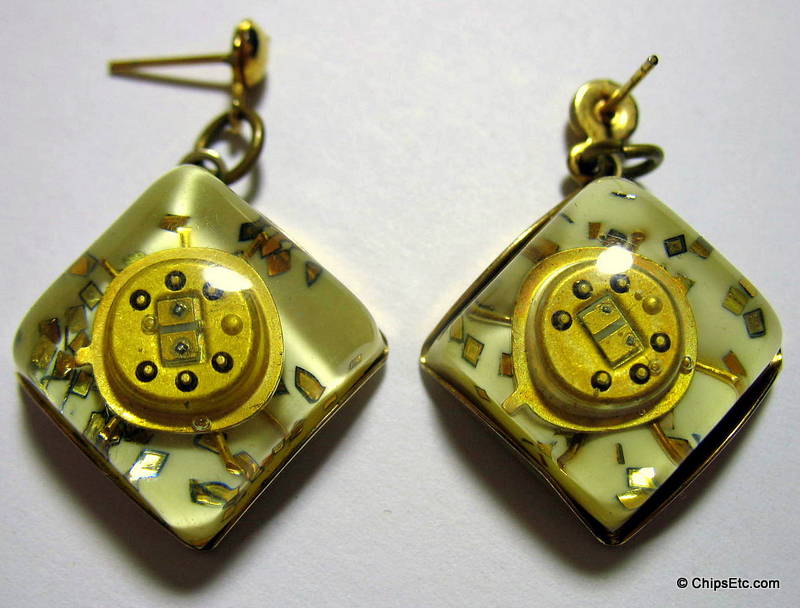
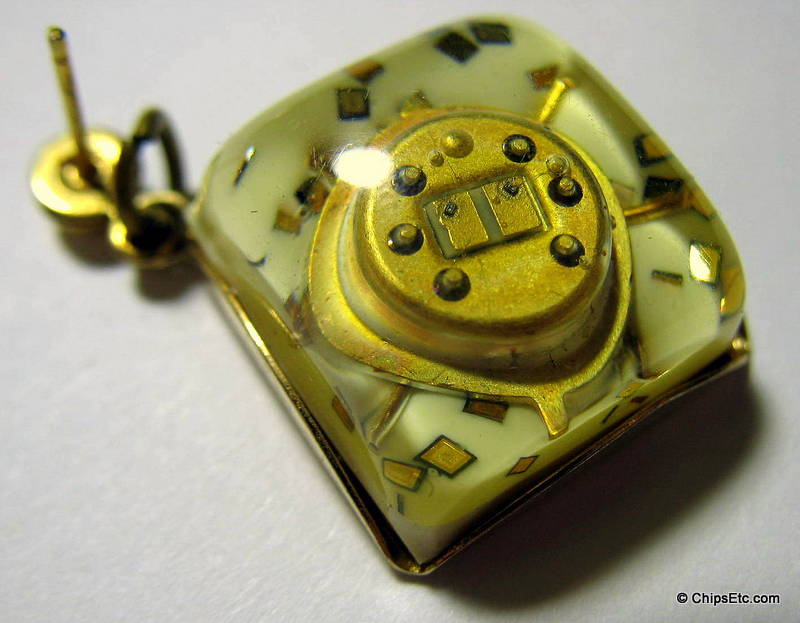
This vintage jewelry set contains two earrings, a bracelet, and a pendant for a necklace.
Each of the 8 acrylic pieces in this jewelry set have various examples of high-reliability, gold plated, integrated circuits surrounded by loose silicon chips.


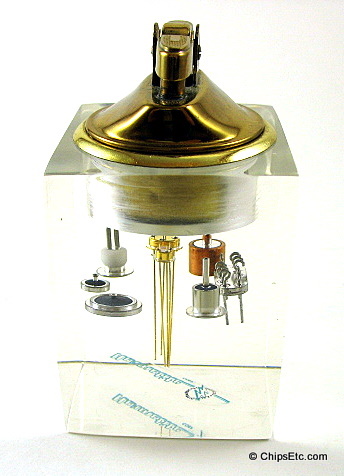
Hermetite Corporation Hermetically Sealed Electronics Paperweight (1960s)
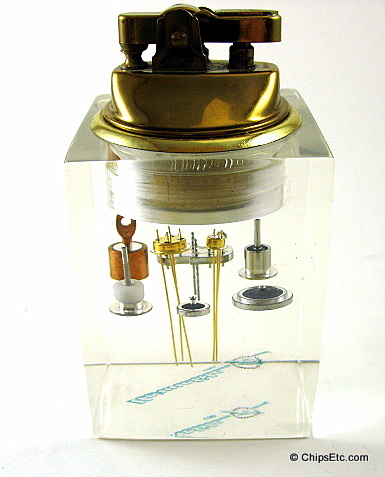
Item #505
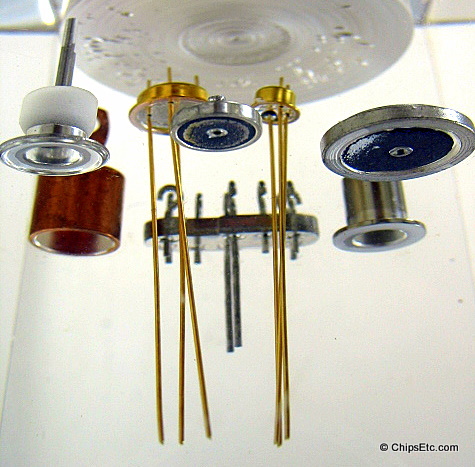
This set of items (items #505 & 502 below) came from the estate of a Delco Electronics electrical engineer. These were promotional gifts from Hermetite Corp. (Avon, Massachusetts) to visiting engineers from Kokomo, Indiana based Delco Electronics in the 1960's.
Hermetite Corp., a subsidiary of HCC Industries, was a high tech engineering & development company in the 1960s' through 1980's and was largely responsible for the development of the airtight "Hermetic Seal" for electrical & electronic discrete component packaging technology.
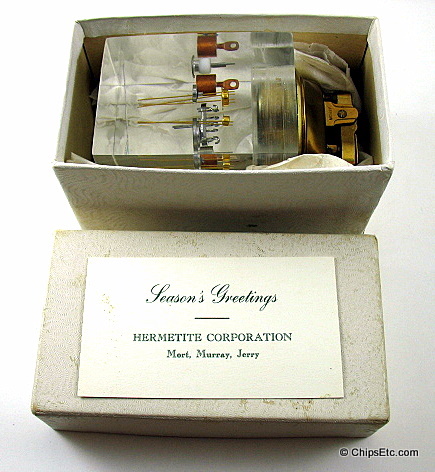
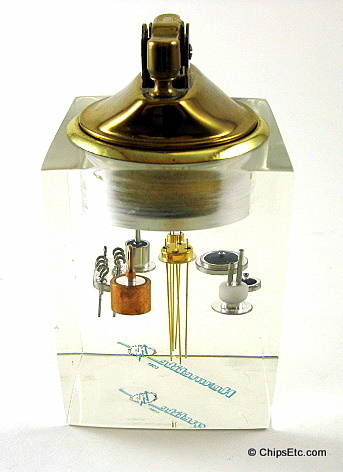
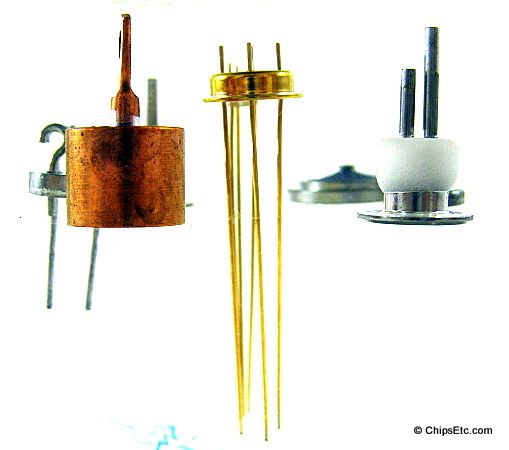
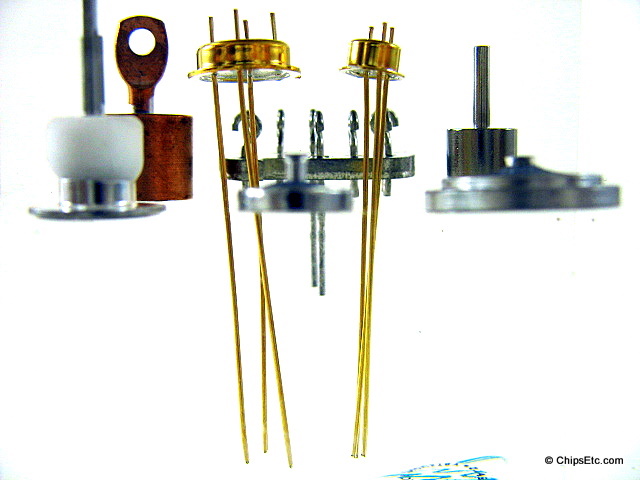
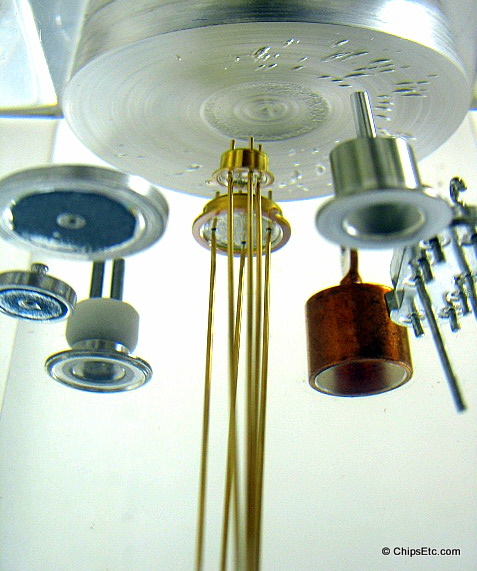
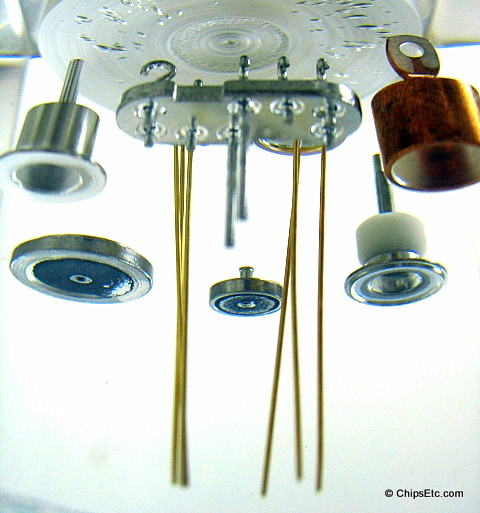
Beautiful clear Lucite Arrow brand flint lighter with embedded Zener Diodes & Integrated Circuit Packages. This item was given out to Hermetite's key business customers and employees as a Christmas gift.
Comes in original gift box with card that reads "Seasons Greetings, Hermetite Corporation, Mort, Murray, Jerry".
Measures 2" square & 3 3/4" tall.
Hermetite Corp., a subsidiary of HCC Industries, was a high tech engineering & development company in the 1960s' through 1980's and was largely responsible for the development of the airtight "Hermetic Seal" for electrical & electronic discrete component packaging technology.
Beautiful clear Lucite Arrow brand flint lighter with embedded Zener Diodes & Integrated Circuit Packages. This item was given out to Hermetite's key business customers and employees as a Christmas gift.
Comes in original gift box with card that reads "Seasons Greetings, Hermetite Corporation, Mort, Murray, Jerry".
Measures 2" square & 3 3/4" tall.
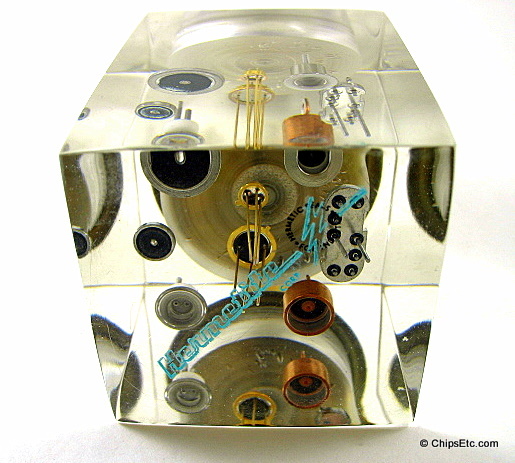


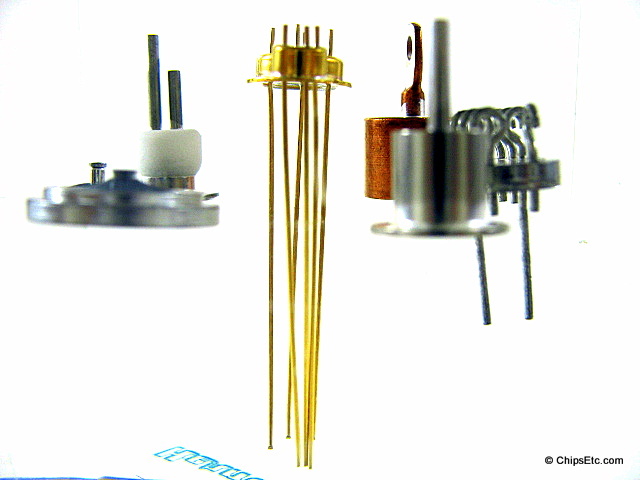
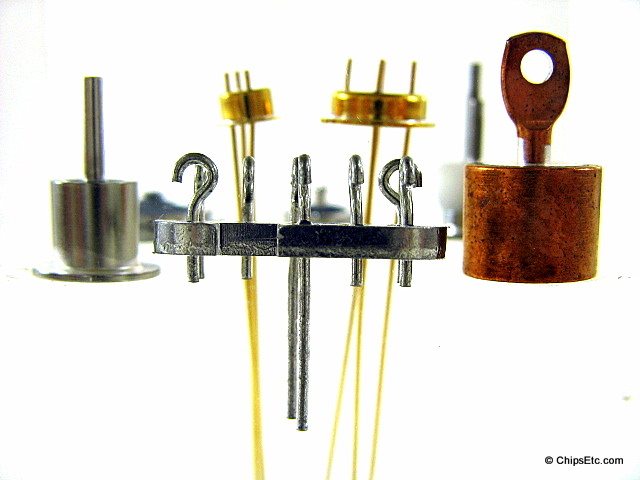
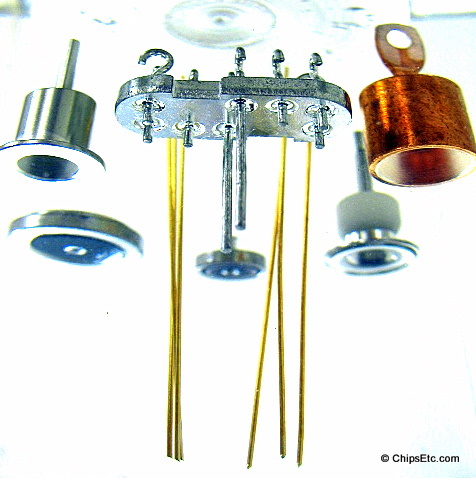
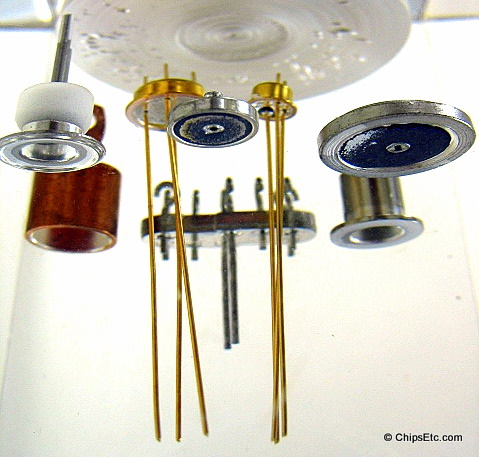

Hermetite Corporation Plant in Avon, Massachusetts Ashtray (1960s)
Item #502
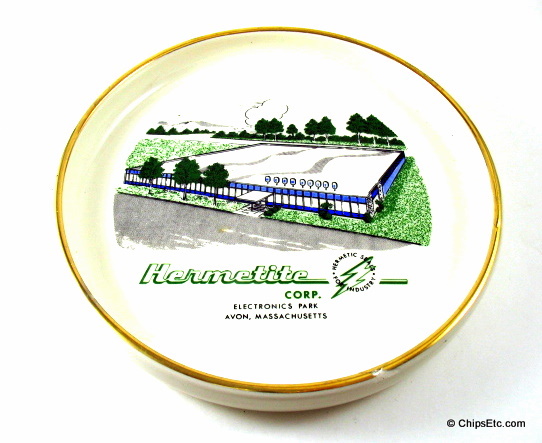
Hermetite Corp. ceramic ashtray with gold rim is 6 1/2" across and features color artwork showing their plant in Avon, Massachusetts as it looked in the 1960's.
The Company's facility in Avon, Massachusetts operated from 1960 until August of 1989 when it was closed.
The Company's facility in Avon, Massachusetts operated from 1960 until August of 1989 when it was closed.
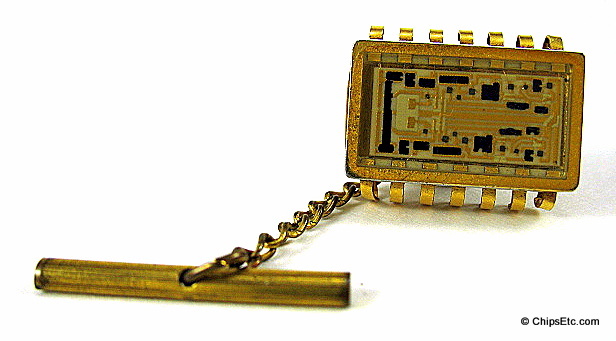
Hybrid Circuit Computer Chip Tie Tack (1970s)
Item #296
Tie Tack made from a Hybrid Circuit chip in DIP packaging with gold leads & mount.
This hybrid circuit contains transistors, diodes & thick film resistors. The substrate is housed in a ceramic package with gold frame and leads.
Unknown manufacturer.
This hybrid circuit contains transistors, diodes & thick film resistors. The substrate is housed in a ceramic package with gold frame and leads.
Unknown manufacturer.
Hybrid Integrated Circuit Tie Tack (1970s)

Item #162
Tie Tack made from a hybrid integrated circuit with gold mount.
This hybrid circuit contains transistors, diodes, thick film resistors, and bypass capacitors.. The substrate is housed in a ceramic package.
Unknown manufacturer.
This hybrid circuit contains transistors, diodes, thick film resistors, and bypass capacitors.. The substrate is housed in a ceramic package.
Unknown manufacturer.
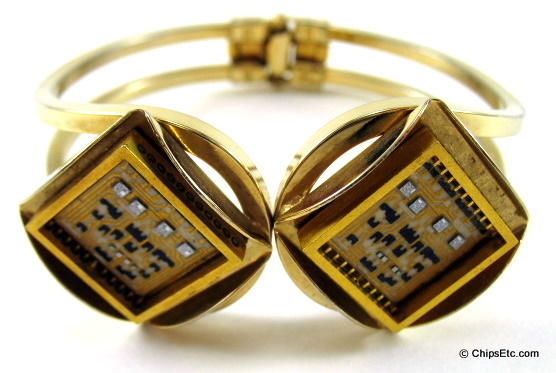
Solid Logic Computer Chip Gold Bracelet (1970s)
Item #473
Gold tone hinged metal bracelet features two solid logic era chips.
These circuits contains transistors, diodes & thick film resistors with gold wire bonding. The substrate is housed in a ceramic package with gold frame.
Unknown manufacturer.
These circuits contains transistors, diodes & thick film resistors with gold wire bonding. The substrate is housed in a ceramic package with gold frame.
Unknown manufacturer.
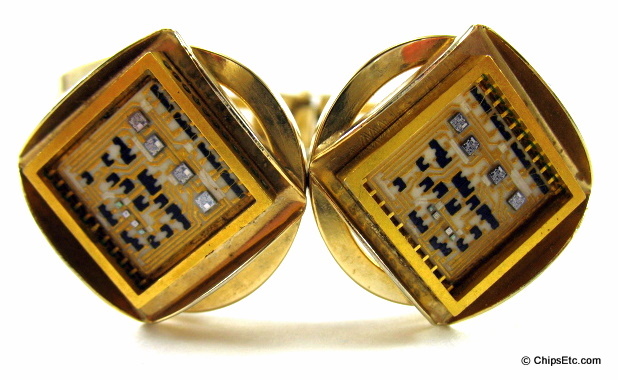
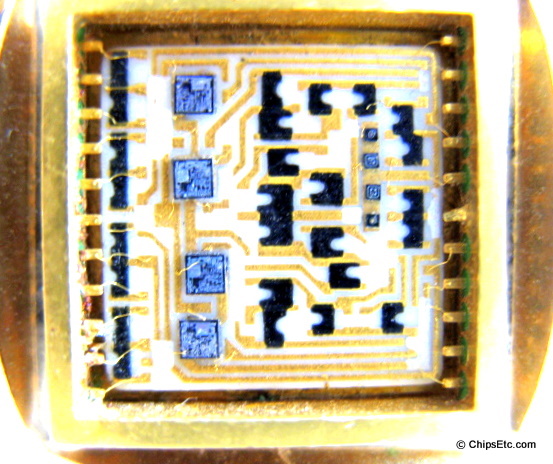
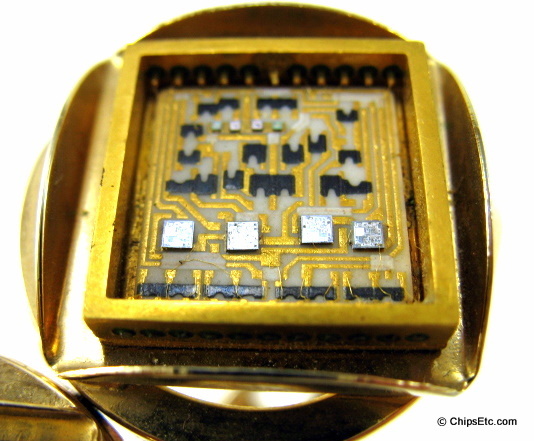
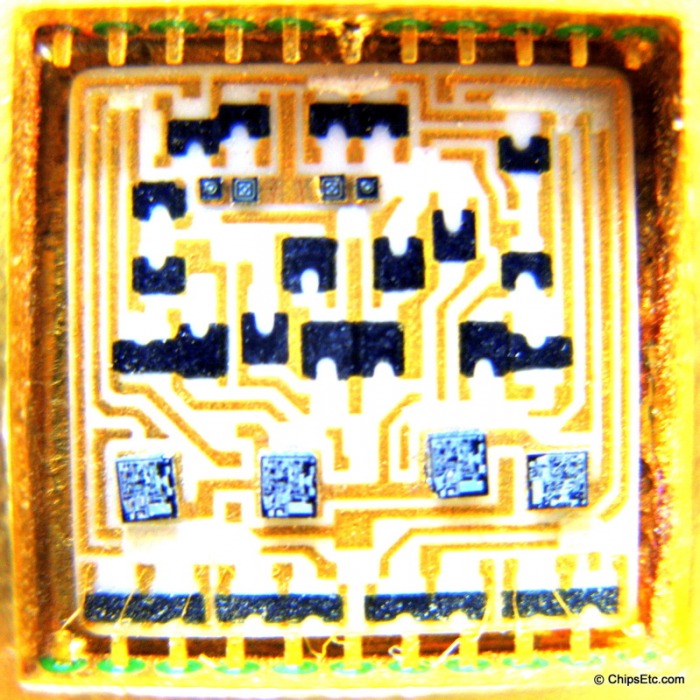
Hybrid IC Tie Tack (1970s)
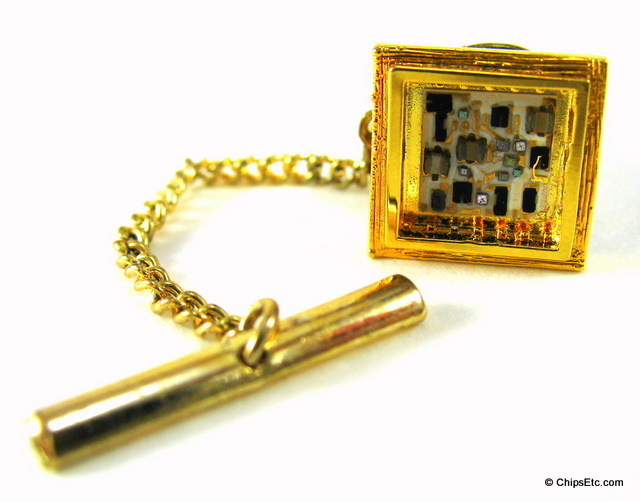
Item #161
Tie Tack made from a hybrid IC with gold mount.
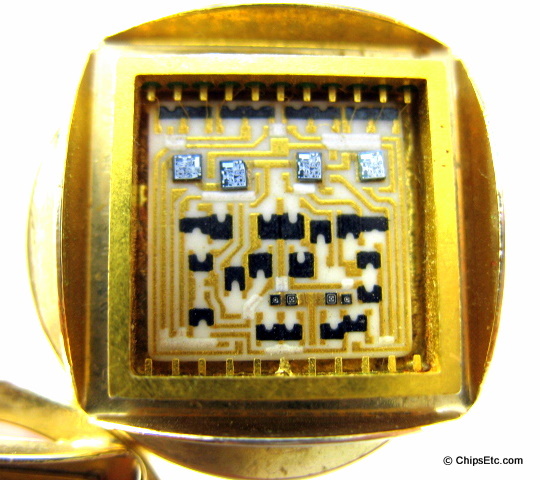
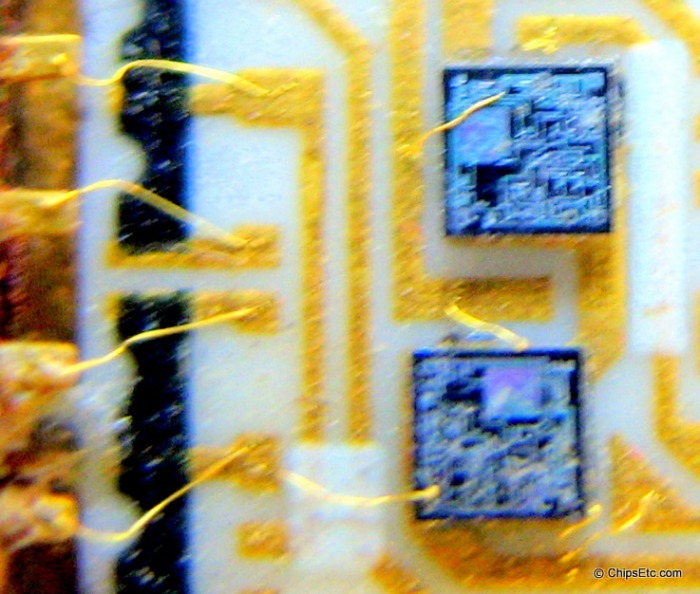
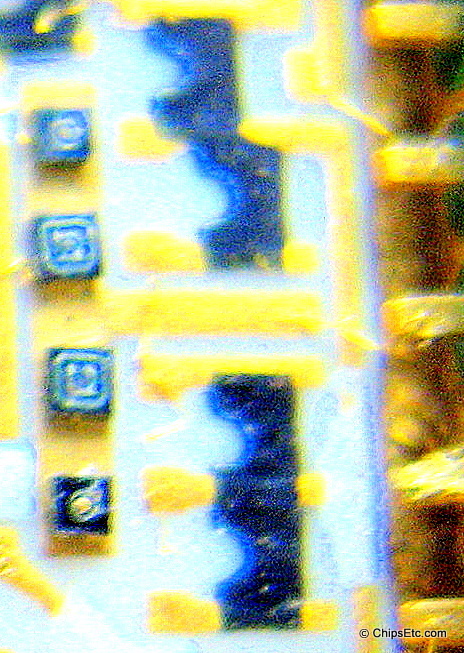
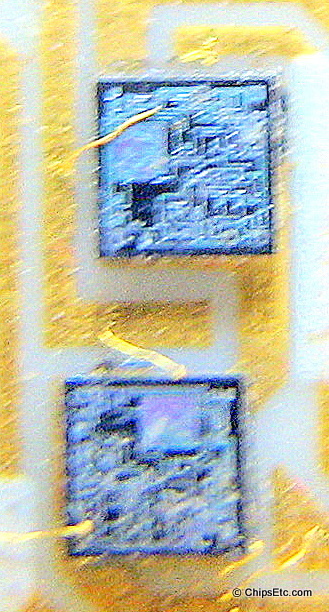
This hybrid circuit contains transistors, diodes, thick film resistors, and bypass capacitors with some gold wire bonding between components. The substrate is housed in a ceramic package with gold frame.
Unknown manufacturer.
This hybrid circuit contains transistors, diodes, thick film resistors, and bypass capacitors with some gold wire bonding between components. The substrate is housed in a ceramic package with gold frame.
Unknown manufacturer.

Close-up of the hybrid IC'c circuitry
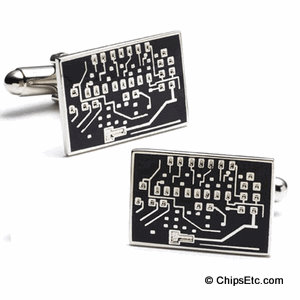
Computer Chip Multichip Modules Cuff Links
Sold
This a Cuff Link set made to resemble multichip solid logic computer chip modules with polished metal frames and black substrates.
Unknown manufacturer.
Unknown manufacturer.
Integrated Circuit Chip Tie Bar (1970s)
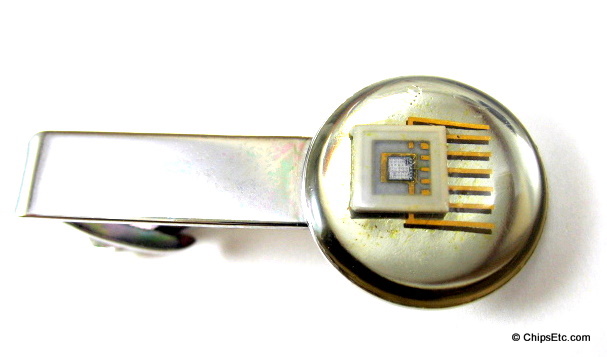
Item #122
Tie Bar made from a integrated circuit chip with ceramic package and gold leads encased in enamel with polished metal mount and bar.
Unknown manufacturer.
Unknown manufacturer.
Gold and Ceramic Computer Chip Tie Bar (1970s)
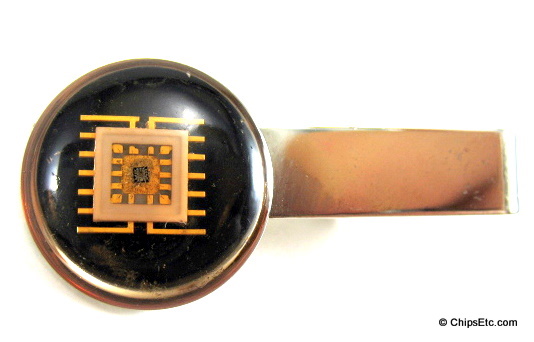
Item #021 (#851-853, 967 similar)
This a a Tie Bar made from a integrated circuit chip with ceramic package and gold leads encased in enamel with polished metal mount and bar.
Unknown manufacturer.
Unknown manufacturer.
|
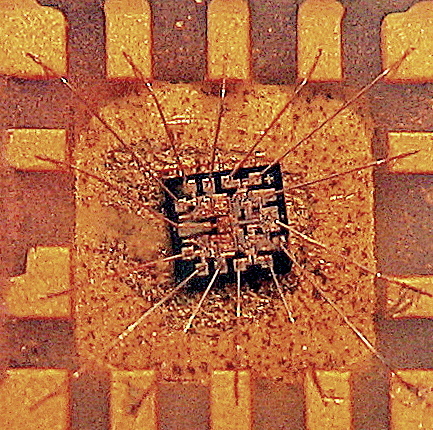 Item #021 (IC Chip Close-up) |

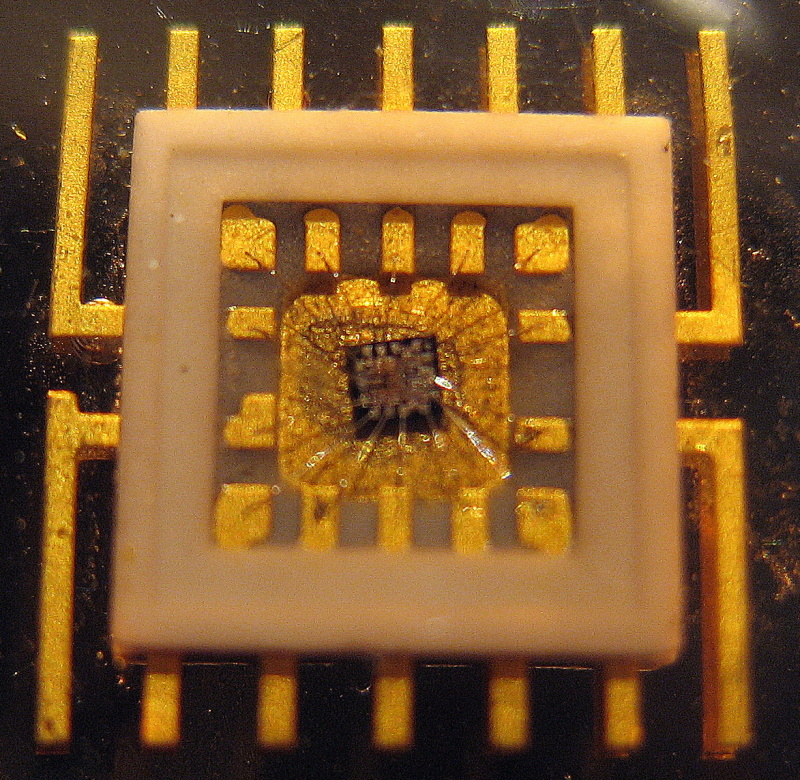
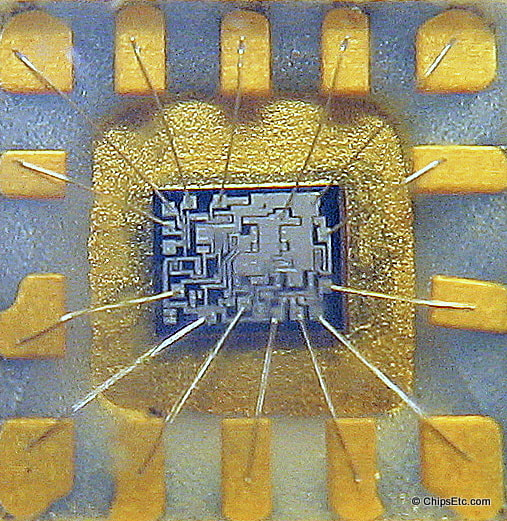
Item #967 Close-up of Integrated Circuit
|
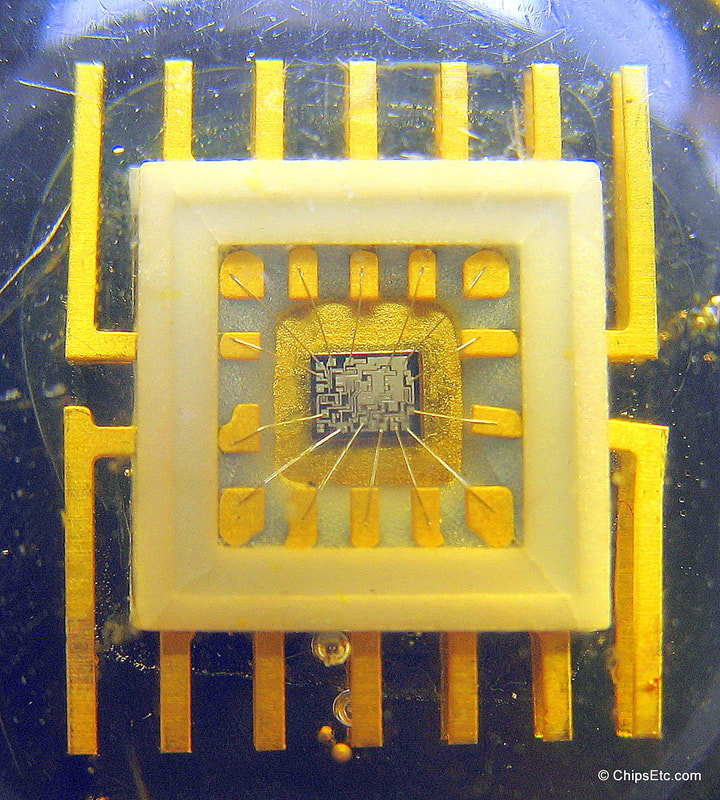
Item #967 close-up of Integrated Circuit Chip
|
Zeiger Electronics Trimmer Potentiometer Electronic Components (1970)
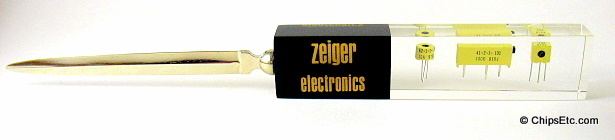
Item #518
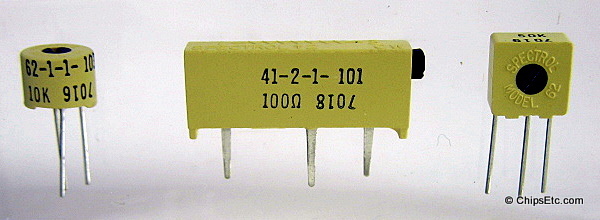
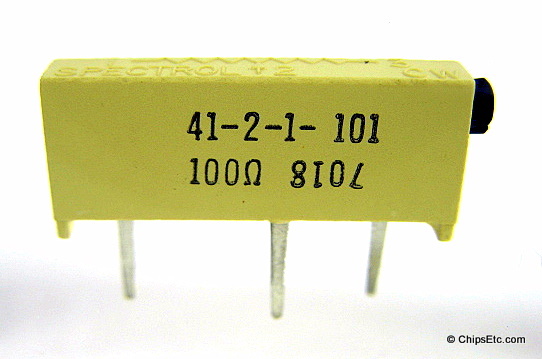
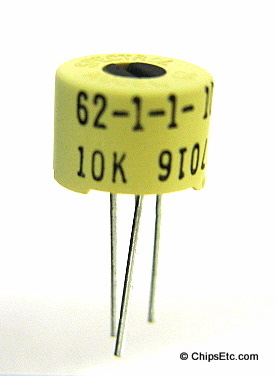
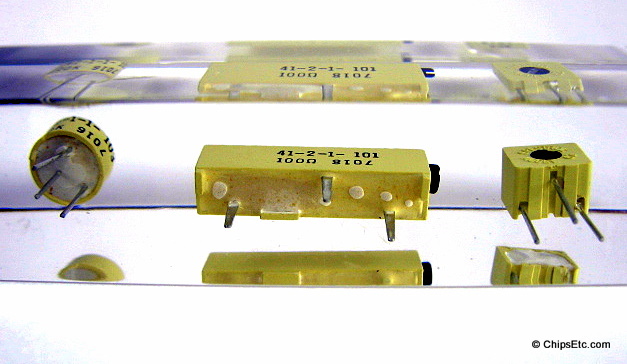
This is a promotional letter opener from Zeiger Electronics which has examples of three different types of Trimmer Potentiometers (Trimpots) embedded inside a clear Lucite handle. The Trimpots are in yellow Cermet (ceramic and metal) packages.
The potentiometers were manufactured by Spectrol Electronics Corp. of City of Industry CA., and distributed by Zeiger Electronics.
Zeiger Electronics Inc. of Hawthorne, CA, an electronics parts distributor, was incorporated in 1966 in the State of CA, but is no longer in business.
Measures 8 3/8" Long.
The potentiometers were manufactured by Spectrol Electronics Corp. of City of Industry CA., and distributed by Zeiger Electronics.
Zeiger Electronics Inc. of Hawthorne, CA, an electronics parts distributor, was incorporated in 1966 in the State of CA, but is no longer in business.
Measures 8 3/8" Long.


International Microelectronics Symposium Chip Tie Tack (1977)
Item #799
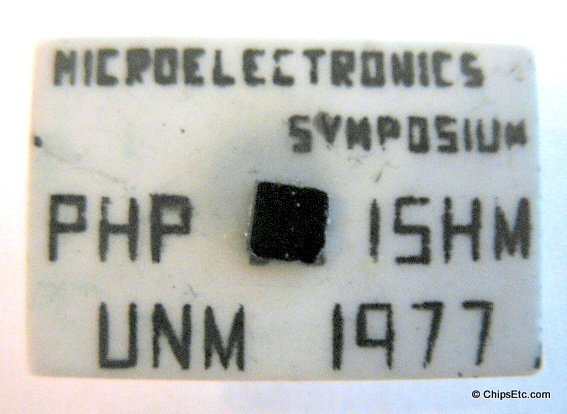
This rare tie tack was a memento given to attendees of the 10th annual International Microelectronics Symposium held on October 24-26, 1977 at the Baltimore Hilton and Civic Center, Baltimore, Md. The theme of the conference in 1977 was ""Hybrid Microelectronics and Maturing Technology".
The purpose of the Microelectronics symposium was to bridge the information gap between the manufacturers of thick film materials and the engineers who use them to develop hybrid microelectronic products.
This tie tack is made of white ceramic with inked lettering, and features an unknown silicon chip die mounted on the front.
Reads: Microelectronics Symposium, PHP (IEEE - Parts, Hybrids, and Packaging), ISHM (International Society for Hybrid Microelectronics), UNM (University of New Mexico), 1977.
Measures 3/4" wide by 1/2" high.
The purpose of the Microelectronics symposium was to bridge the information gap between the manufacturers of thick film materials and the engineers who use them to develop hybrid microelectronic products.
This tie tack is made of white ceramic with inked lettering, and features an unknown silicon chip die mounted on the front.
Reads: Microelectronics Symposium, PHP (IEEE - Parts, Hybrids, and Packaging), ISHM (International Society for Hybrid Microelectronics), UNM (University of New Mexico), 1977.
Measures 3/4" wide by 1/2" high.
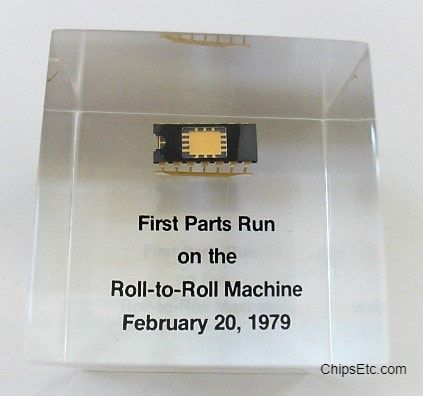 Item #1023
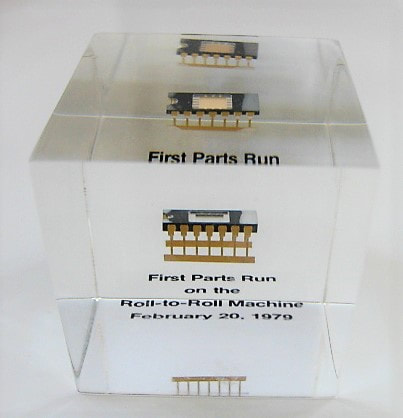
Roll-to-roll manufacturing Gold Ceramic Integrated Circuit package (1979)
This Lucite paperweight is from an unknow Integrated circuit packaging company. It was created to celebrate their first production run of a roll-to-roll machine on February 20th 1979.
Roll-to-roll (reel to reel) manufacturing was used in the automated processing for building the metal lead frame and ceramic packaging for Integrated cicruits.
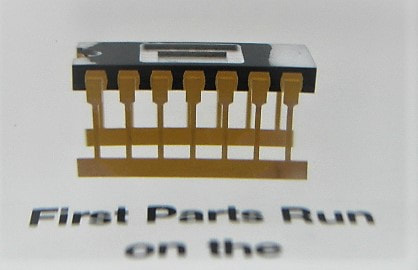
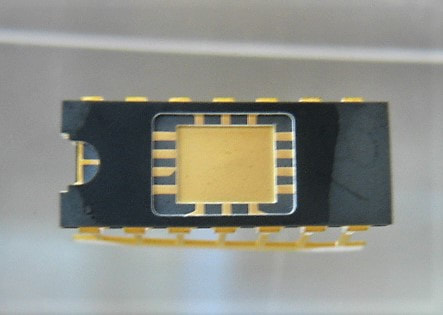
Embedded inside is a ceramic DIP (CERDIP) IC package with gold plated lead frame and leads. The unfinished IC package has an open cavity and does not have a chip attached at this point in the production process. This DIP package would most likely had been produced in bulk to supply to external customers who would then attatch their own chip die, perform wire bonding, and lid encapsulation. The metal lead frame still has the tie-bar attached that protects the leads from becoming bent, and would later be trimmed off before going to customers.
The DIP (Dual in-line package) was the most popular from of Integrated circuit package used by the electronics industry during the 1970s and 1980s. It was first invented in 1964 by an engineer at Fairchild Semiconductor named Bryant "Buck" Rogers.
This Lucite paperweight is from an unknow Integrated circuit packaging company. It was created to celebrate their first production run of a roll-to-roll machine on February 20th 1979.
Roll-to-roll (reel to reel) manufacturing was used in the automated processing for building the metal lead frame and ceramic packaging for Integrated cicruits.
Embedded inside is a ceramic DIP (CERDIP) IC package with gold plated lead frame and leads. The unfinished IC package has an open cavity and does not have a chip attached at this point in the production process. This DIP package would most likely had been produced in bulk to supply to external customers who would then attatch their own chip die, perform wire bonding, and lid encapsulation. The metal lead frame still has the tie-bar attached that protects the leads from becoming bent, and would later be trimmed off before going to customers.
The DIP (Dual in-line package) was the most popular from of Integrated circuit package used by the electronics industry during the 1970s and 1980s. It was first invented in 1964 by an engineer at Fairchild Semiconductor named Bryant "Buck" Rogers.
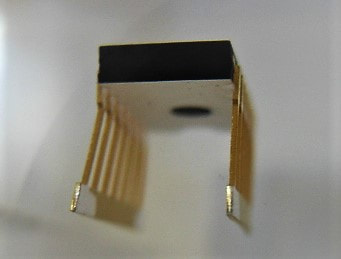
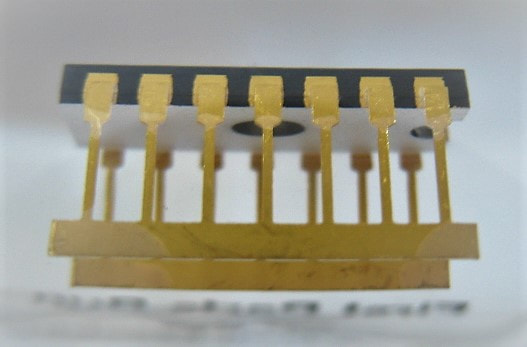
Early Home Computer Tie Tack (1978-83)
Item #567
This tie tack is of an unidentified early home computer model. It appears to be a late 1970's to early 1980's CP/M type home computer, similar to an AVL Eagle II computer. This computer featured a built-in CRT display as well as dual 5.25" floppy drives and keyboard.
Floppy-based computers such as this example were the rage in the late 1970's and early 1980's. You typically booted the computer with the operating system in the first drive and saved your data on the floppy in the second one.
Tie Tack is solid pewter, has mark on back that reads "SCS originals".
Floppy-based computers such as this example were the rage in the late 1970's and early 1980's. You typically booted the computer with the operating system in the first drive and saved your data on the floppy in the second one.
Tie Tack is solid pewter, has mark on back that reads "SCS originals".
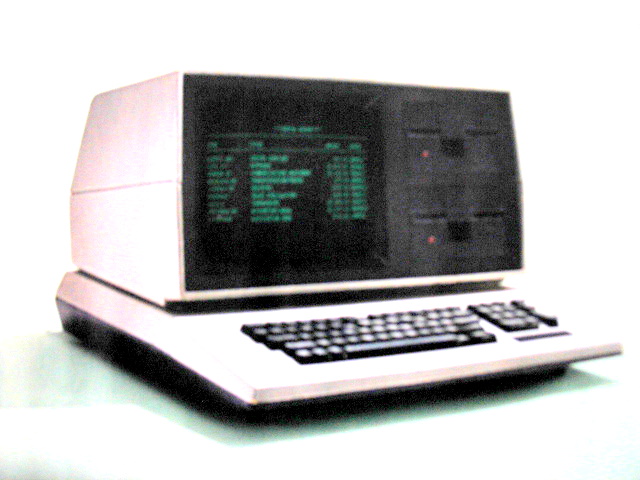
A Vintage CP/M home computer (Late 1970's)
Museum of Modern Art - New York City
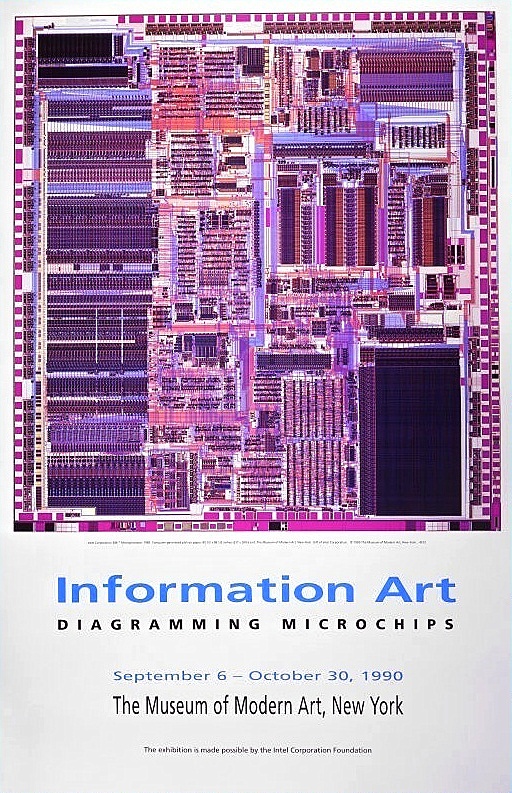
"Information Art: Diagramming Microchips" Poster (1990)
Sold
Art poster sold at the Museum of Modern Art (MOMA) New York City in their gift shop during their Art exhibit "Information Art: Diagramming Microchips" that ran from September 6 to October 30, 1990 which featured chip deigns from AT&T Bell Laboratories, Digital Equipment Corp., Hewlett-Packard Company, IBM, Intel, LSI Logic Corp., Synaptics, Inc. and Texas Instruments.
Measures 25" x 38".
More on the 1990 MOMA Information / Art Diagramming Microchips exhibit
Measures 25" x 38".
More on the 1990 MOMA Information / Art Diagramming Microchips exhibit
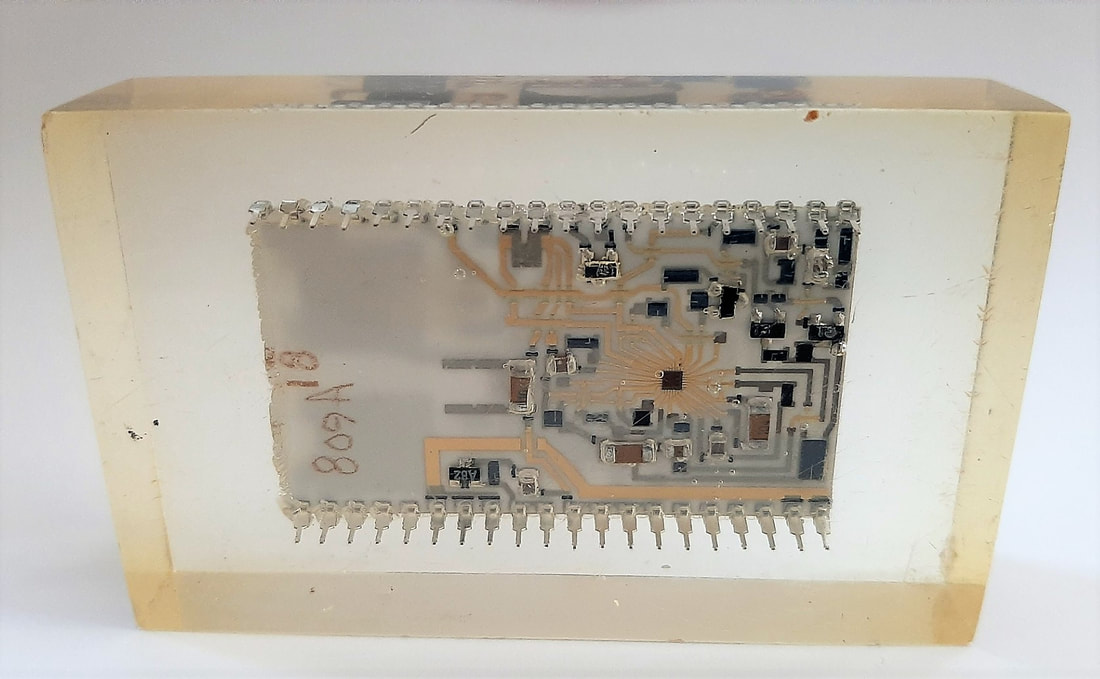
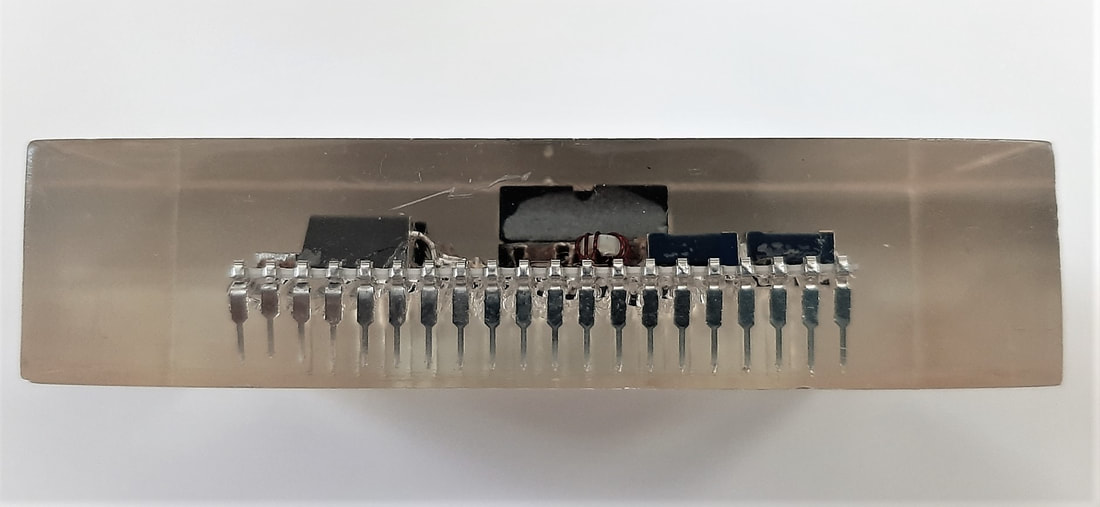
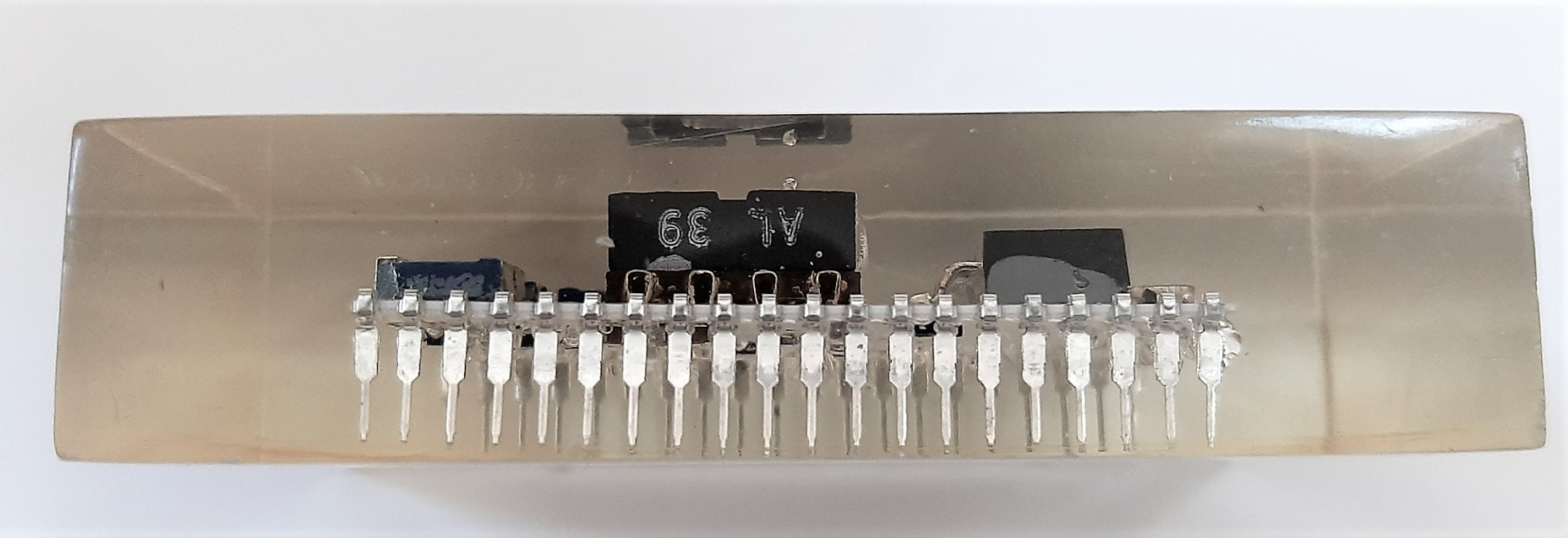
Hybrid Integrated Circuit (1982)
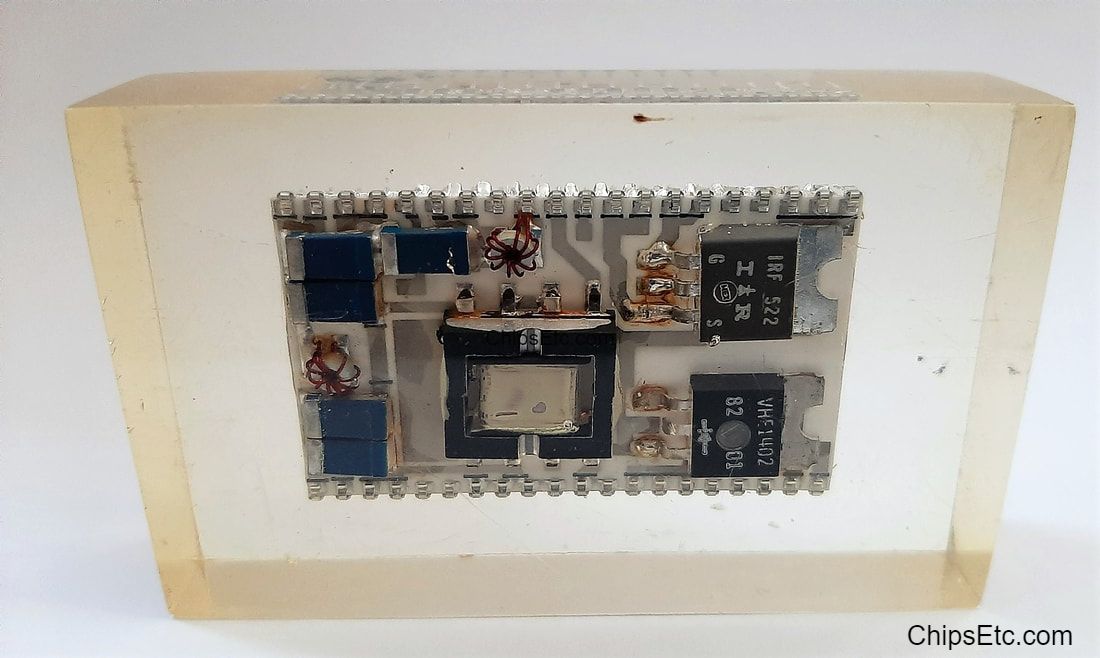
Item #1027
This lucite paperweight features a nice example of an advanced Hybrid Integrated Circuit package with many different types of mounted components on the substrate including power transistors, planar transformer, resistors, choke coils, diodes, monolithic Integrated Circuit, and capacitors.
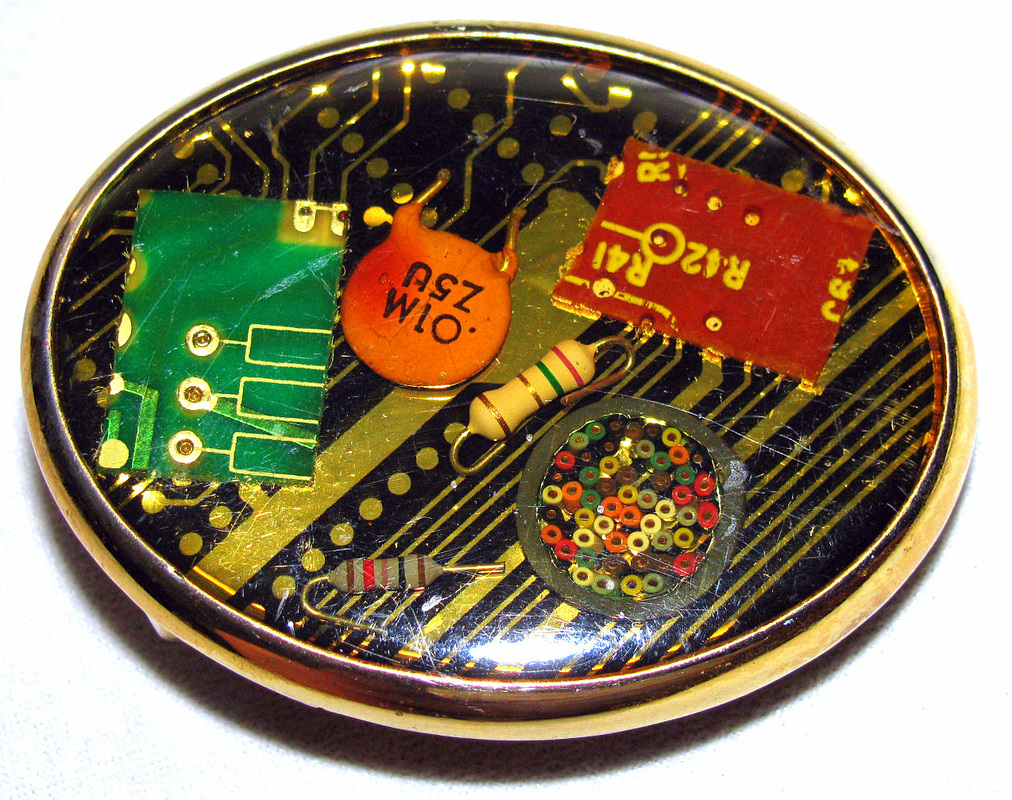
Von West Electronic Components Gold Belt Buckle (1982)
Item #478
Vintage Von West (Ft. Collins, USA) Belt Buckle featuring an artfully created collection of embedded electronic components with a PCB design background encased in acrylic resin. Handmade in the U.S.A., Finished in 18K gold plating.
During the early 1980's Von West created these unique custom made belt buckles featuring a variety of hand inlays with matching bolo neckties, key rings, money clips, and bookmarks.
Measures 3" long by 2 3/8" high.
During the early 1980's Von West created these unique custom made belt buckles featuring a variety of hand inlays with matching bolo neckties, key rings, money clips, and bookmarks.
Measures 3" long by 2 3/8" high.
 Back of Von West Belt Buckle 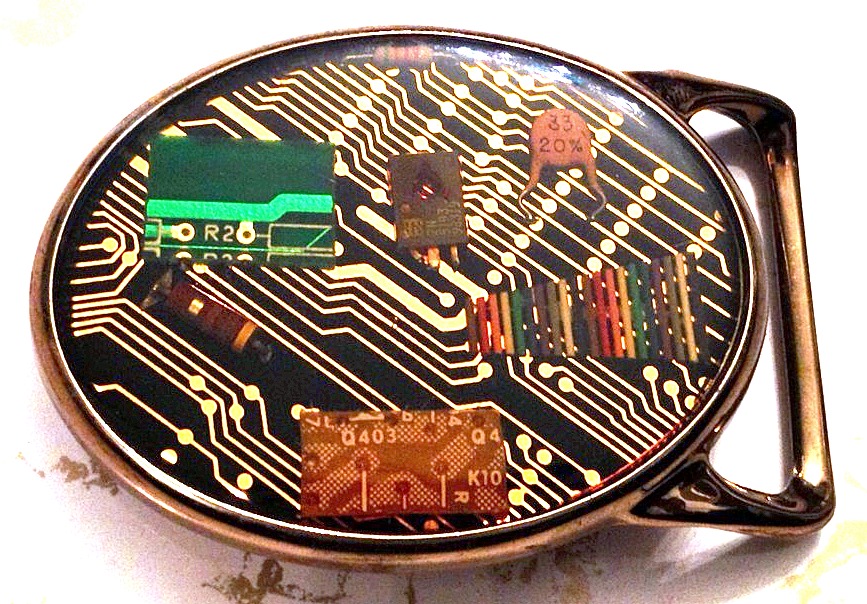
Von West Computer Electronics Belt Buckle
|
Von West Computer Electronics Belt Buckle
Von West Computer Electronics Belt Buckle
|
The Museum Company Computer Chip Money Clip (Late 1990s)

Item #792
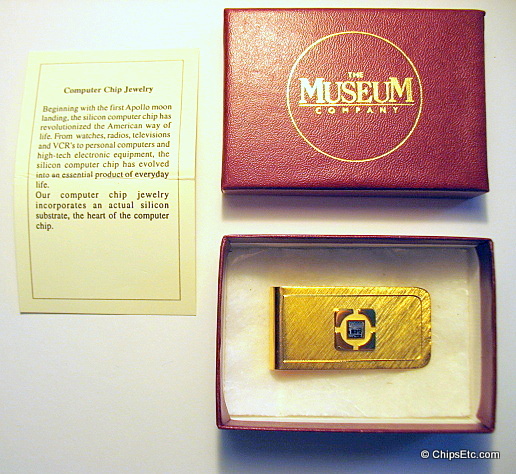
This gold tone money clip was produced for The Museum Company by ProCreations of Antrim, New Hampshire. This item was sold in select museum gift shops, including the Smithsonian.
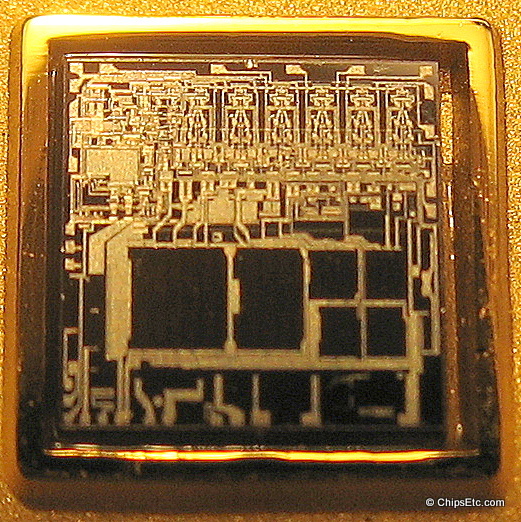
Contains an Actual Computer Chip mounted on the front.
New, unused. Comes in original box with information card. Measures 1/2" in diameter.
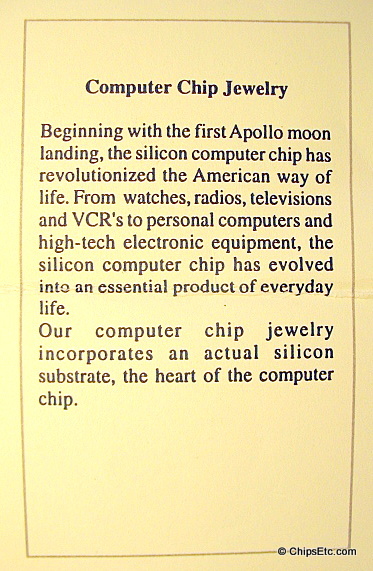
Computer Chip Jewelry
Beginning with the first Apollo moon landing, the silicon computer chip has revolutionized the American way of life. From watches, radios, televisions and VCR's to personal computers and high-tech electronic equipment, the silicon computer chip has evolved into an essential product of everyday life.
Our computer chip jewelry incorporates an actual silicon substrate, the heart of the computer chip.
Contains an Actual Computer Chip mounted on the front.
New, unused. Comes in original box with information card. Measures 1/2" in diameter.
Computer Chip Jewelry
Beginning with the first Apollo moon landing, the silicon computer chip has revolutionized the American way of life. From watches, radios, televisions and VCR's to personal computers and high-tech electronic equipment, the silicon computer chip has evolved into an essential product of everyday life.
Our computer chip jewelry incorporates an actual silicon substrate, the heart of the computer chip.
Smithsonian Museum Computer Chip Pin (1984)
Item #078 (#121 similiar)
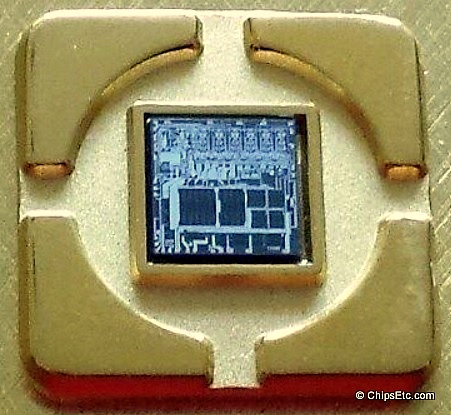
Made in USA, These items were produced by Museum Reproductions, Inc. of Boston Mass. All their authorized jewelry is created under license from some of the most prestigious museum collections around the world.
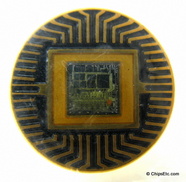
Contains an Actual Computer Chip, item is made of enamel & has gold plated mount. Measures 1/2" in diameter.
Contains an Actual Computer Chip, item is made of enamel & has gold plated mount. Measures 1/2" in diameter.
 Item #121 in gift box |
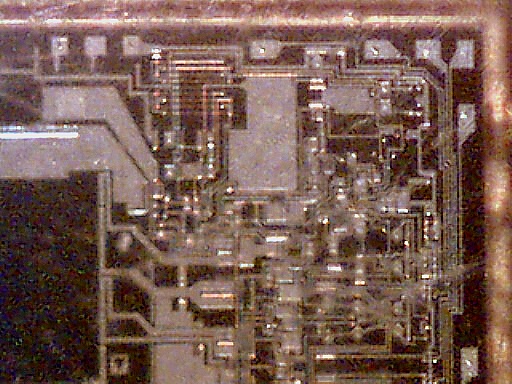 Close-up of the chip |
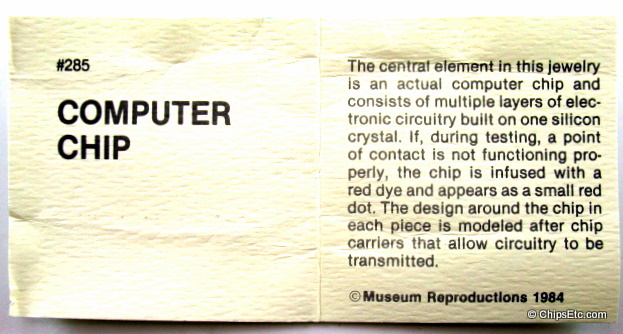
 Computer chip jewelry info card |
Computer Chip The central element in this jewelry is an actual computer chip and consists of multiple layers of electronic circuitry built on one silicon crystal. If, during testing, a point of contact is not functioning properly, the chip is infused with a red dye and it appears as a red dot. The design around the chip in each piece is molded after chip carriers that allow circuity to be transmitted. |
Smithsonian Museum Reproductions Computer Chip Cuff links (1984)
Sold
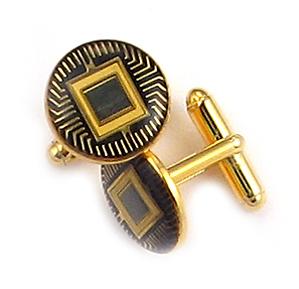
This set of cuff links contains actual Computer Chips, items are made of enamel & have gold plated Mounts.
Measures 1/2" in diameter.
Measures 1/2" in diameter.
Smithsonian Museum Reproductions Computer Chip Jewelry (1984)
Item #489
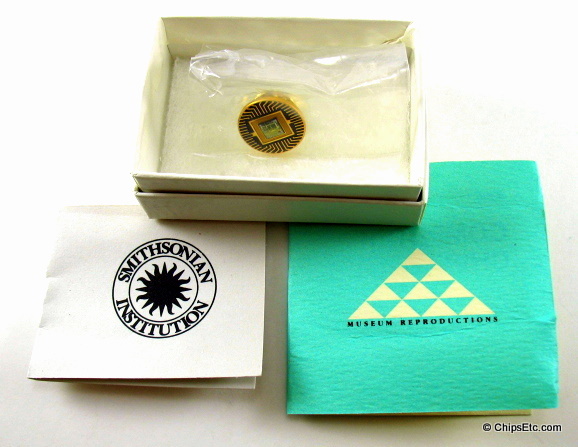
This gold plated tie tack that was sold in the Smithsonian gift shop - made from a computer chip .
Still sealed as new with the original gift box and information cards by both Museum Reproductions and the Smithsonian.
Measures 1/2 inches in diameter.
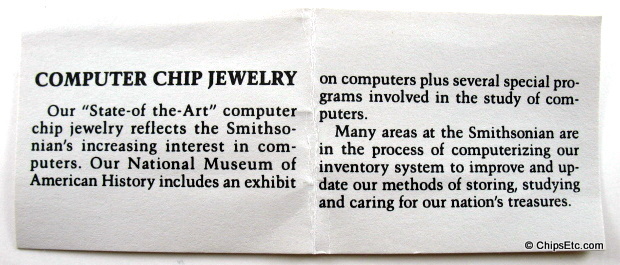
COMPUTER CHIP JEWELRY
Our "State-of-the-Art" computer chip jewelry reflects the Smithsonian's increasing interest in computers. Our National Museum includes an exhibit on computers plus several special programs involved in the study of computers.
Many areas at the Smithsonian are in the process of computerizing our inventory system to improve and update our methods of storing, studying and caring for our nation's treasures.
Still sealed as new with the original gift box and information cards by both Museum Reproductions and the Smithsonian.
Measures 1/2 inches in diameter.
COMPUTER CHIP JEWELRY
Our "State-of-the-Art" computer chip jewelry reflects the Smithsonian's increasing interest in computers. Our National Museum includes an exhibit on computers plus several special programs involved in the study of computers.
Many areas at the Smithsonian are in the process of computerizing our inventory system to improve and update our methods of storing, studying and caring for our nation's treasures.

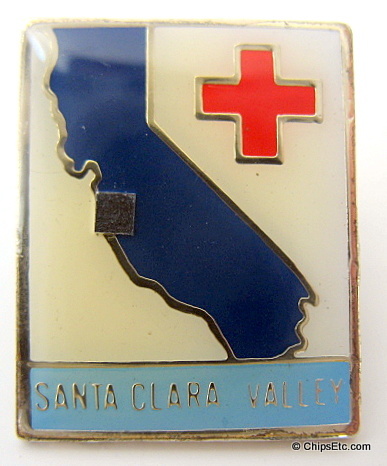
American Red Cross California Santa Clara Valley Pin w/ Silicon Die (1980s)
|
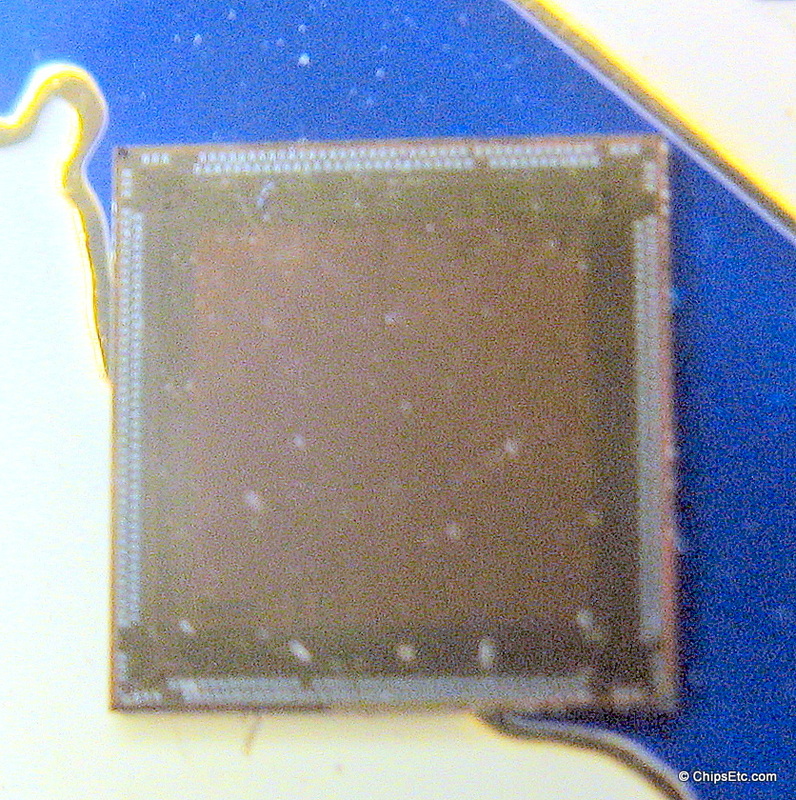
Enamel and metal computer chip pinback given to donors by the Santa Clara Valley, CA. chapter of the American Red Cross, based in San Jose.
California's Santa Clara County, or Santa Clara Valley, has been known as Silicon Valley since the 1970's due to the large number of Silicon chip manufacturers who made the area their home. The list of semiconductor companies in California's Silicon Valley include such famous names as IBM, Intel, Hewlett Packard, Hynix, Atmel, Cisco, Analog Devices, Fujitsu, Fairchild, Amkor, Broadcom, Infineon, National Semiconductor, Nvidia, LSI Logic, Marvel Semiconductor, Oki Electric, ON Semiconductor, AMD, and many others. Contains an actual diced bare Silicon Die embedded inside. |
Item #857
|
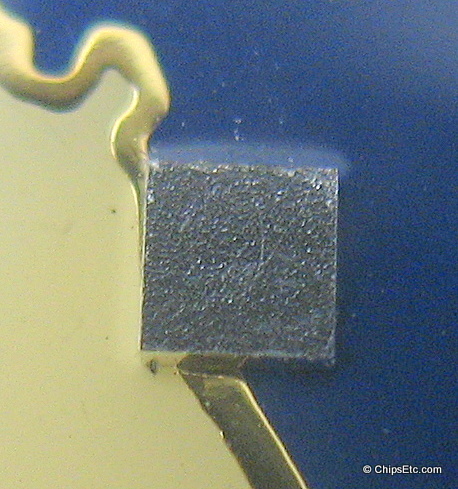
Silicon Die close up
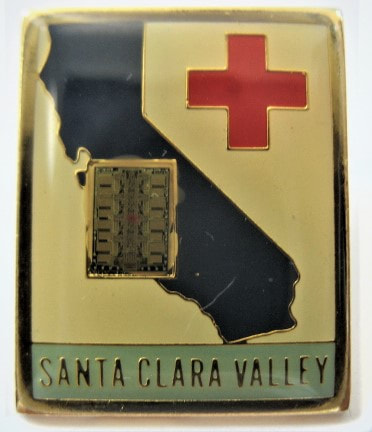
American Red Cross California Santa Clara Valley Pin w/ Chip (1985)
 Item #1015 (#855 similar)
Enamel and metal pinback given to donors by the Santa Clara CA. chapter of the American Red Cross.
Contains an actual computer chip embedded inside.
Chip is marked "LNDEI-A c. 1983".
Contains an actual computer chip embedded inside.
Chip is marked "LNDEI-A c. 1983".
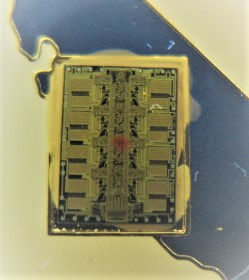
Chip close up
American Red Cross California Santa Clara Valley Pin w/ Chip (1988)
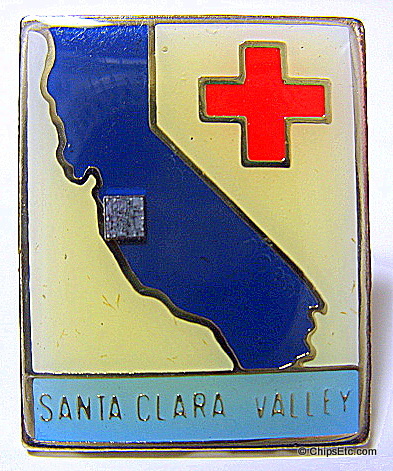 Item #850
Enamel and metal pinback given to donors by the Santa Clara CA. chapter of the American Red Cross.
Contains an actual computer chip embedded inside.
Contains an actual computer chip embedded inside.
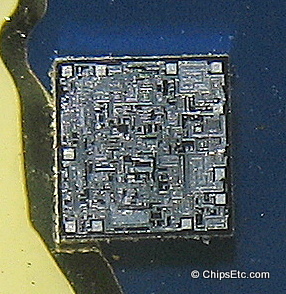
Chip close up
American Red Cross California Santa Clara Valley Pin w/ Chip (1988)
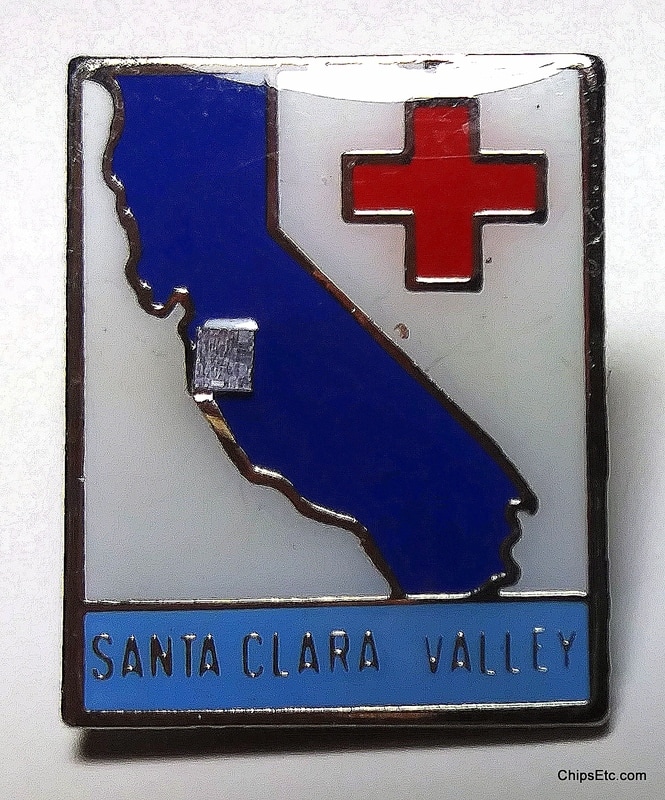 Item #966
Another Enamel and metal pinback given to donors by the Santa Clara CA. chapter of the American Red Cross that contains an actual computer chip embedded inside.
American Red Cross California Santa Clara Valley Pin w/ Chip (1999)
 Item #856 (#871 similar)
Enamel and metal pinback given to donors by the Santa Clara CA. chapter of the American Red Cross.
Contains an actual computer chip embedded inside.
On the back is stamped the telephone number & website address for the Red Cross Silicon Valley California chapter, with date of September 1999, and shows 1000 of these pins were made.
Contains an actual computer chip embedded inside.
On the back is stamped the telephone number & website address for the Red Cross Silicon Valley California chapter, with date of September 1999, and shows 1000 of these pins were made.
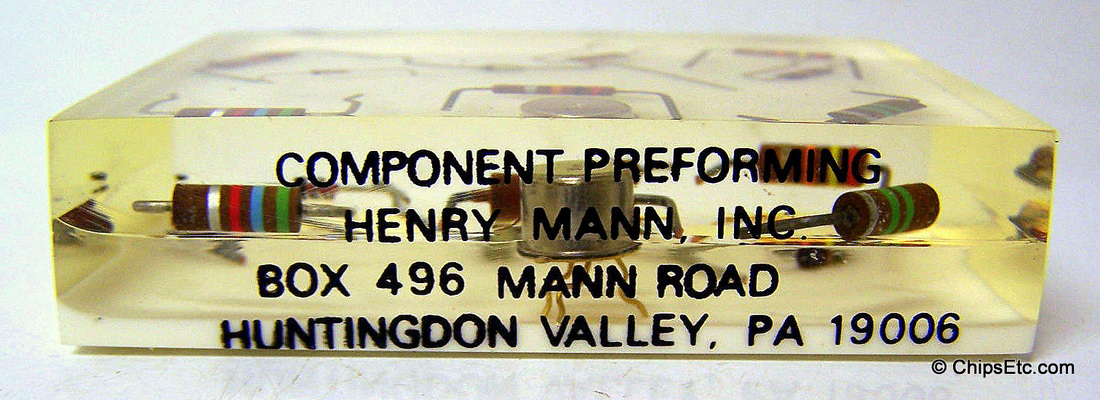
Mann Electronics components Paperweight (Late 1960s)
 Item #874
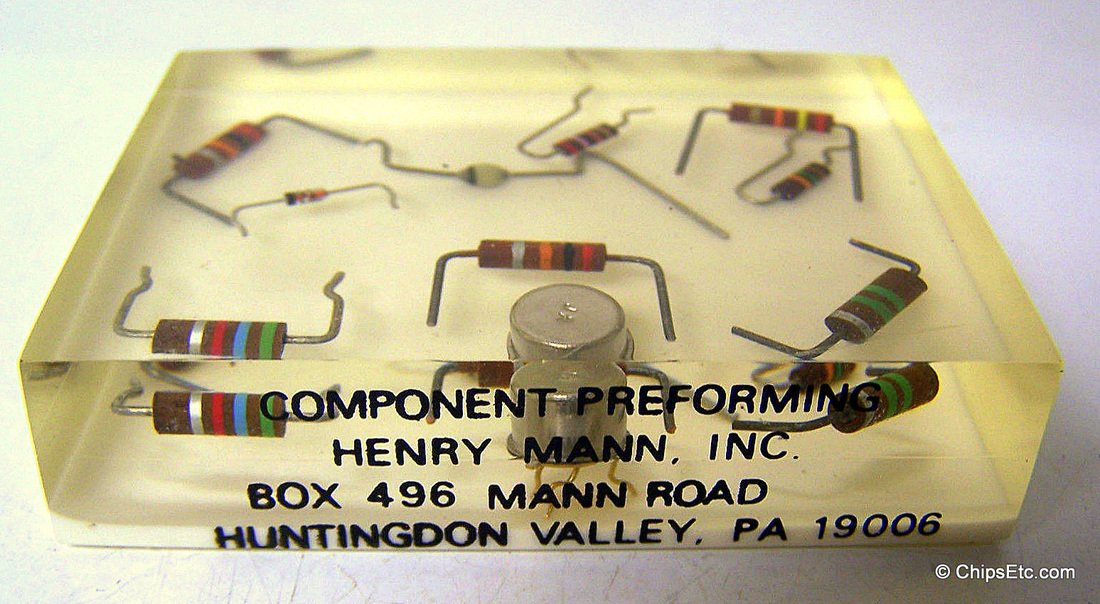
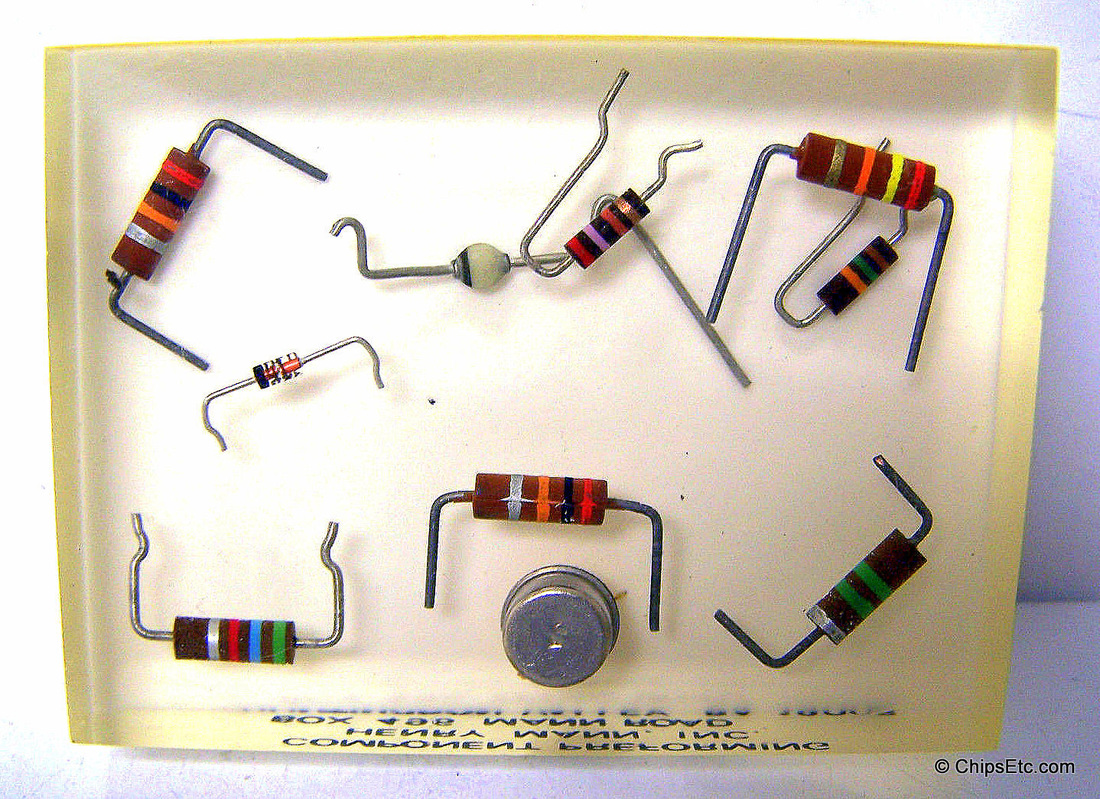
This Lucite promotional paperweight from an electronics supply company called Henry Mann, Inc. from Huntingdon Valley, PA.
Back in 1967, Henry Mann designed specialized tools used to insert through-hole components in circuit boards. Today the company is know as Manncorp, and offers state-of-the-art machines that cover the entire surface mount production process, from prototyping to mid-volume assembly.
Paperweight features examples of preformed discrete electronic components including a transistor, resistors and diodes.
Back in 1967, Henry Mann designed specialized tools used to insert through-hole components in circuit boards. Today the company is know as Manncorp, and offers state-of-the-art machines that cover the entire surface mount production process, from prototyping to mid-volume assembly.
Paperweight features examples of preformed discrete electronic components including a transistor, resistors and diodes.
All Con Electronics components Paperweight (1980)
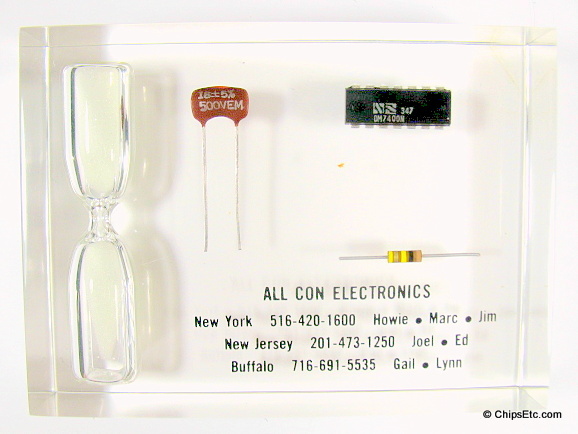 Item #842
This Lucite promotional paperweight from an electronics supply company called All Con Electronics (which had stores in New York, Buffalo & New Jersey).
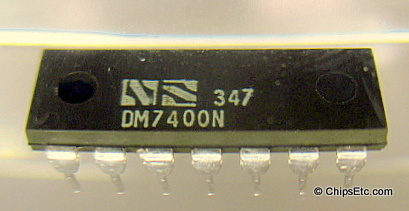
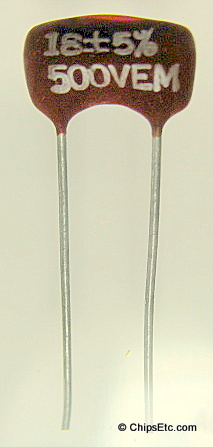
It features a National Semiconductor DM7400-N Quad 2 input NAND logic gate IC, resistor, capacitor, and an hour glass.
It features a National Semiconductor DM7400-N Quad 2 input NAND logic gate IC, resistor, capacitor, and an hour glass.


Circuit Board Hardware - Electronic Parts Manufacturers Paperweight (1970s-80s)
javascript:;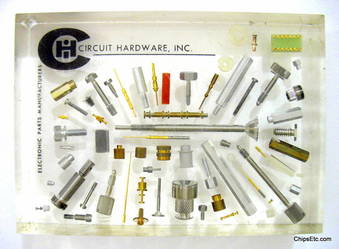
Item #980
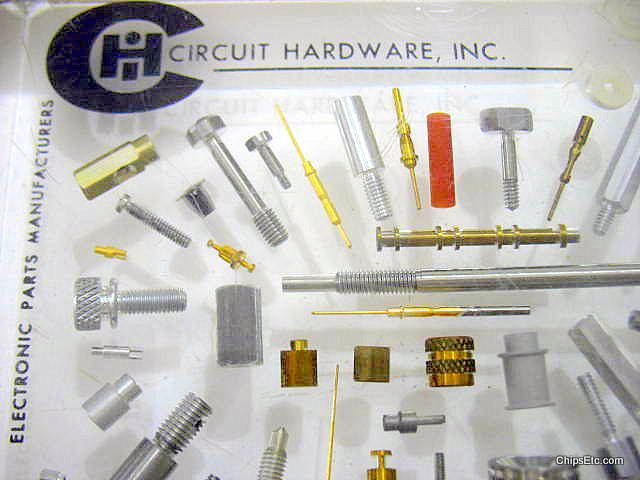
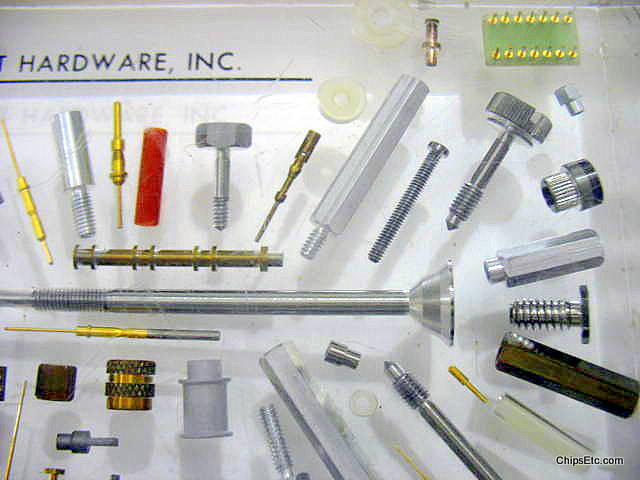
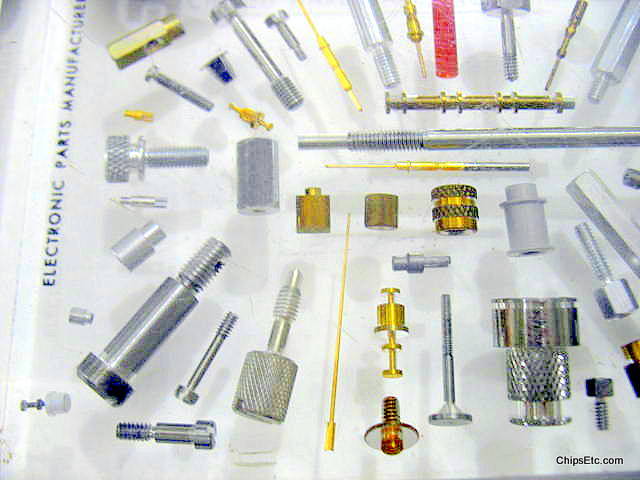
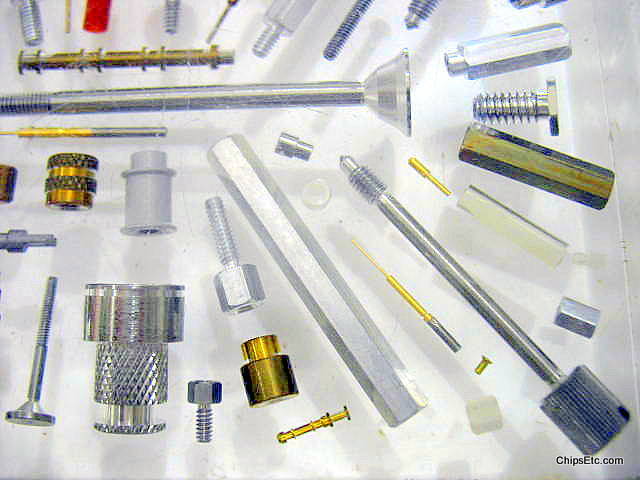
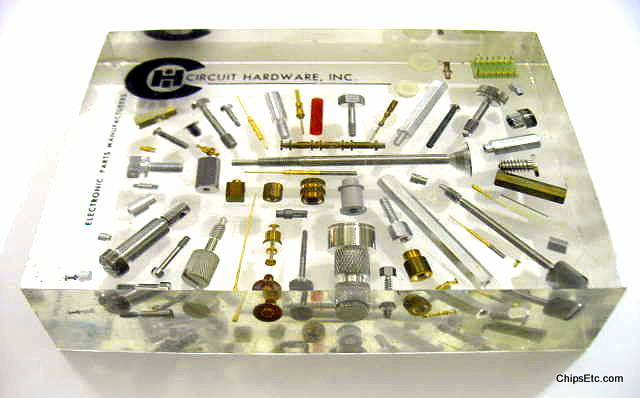
This large Lucite paperweight from a company called Circuit Hardware, Inc. contains numerous examples of the types of circuit board hardware components used in the computer and electronics industry.
Lucite Bookends with electronic components embedded inside
Item #992 (set of 2 pieces)
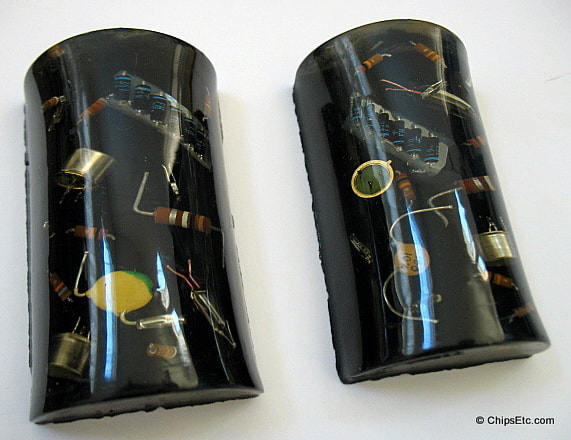
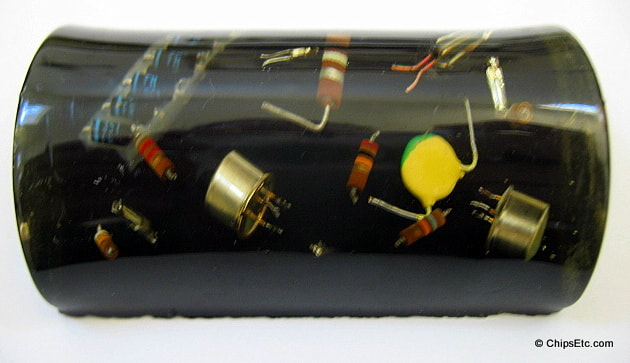
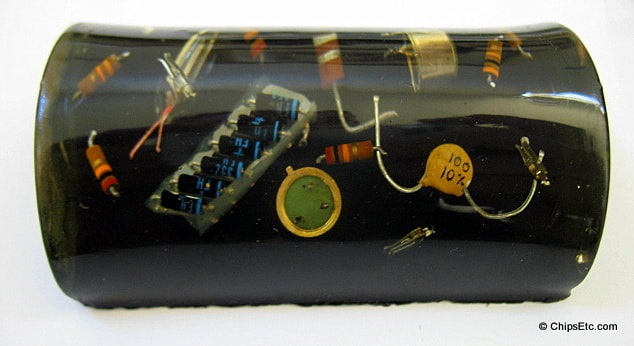
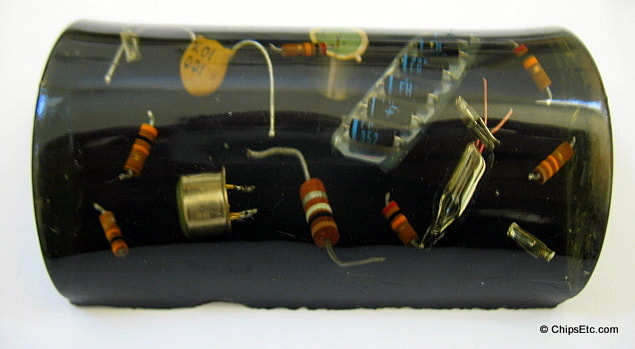
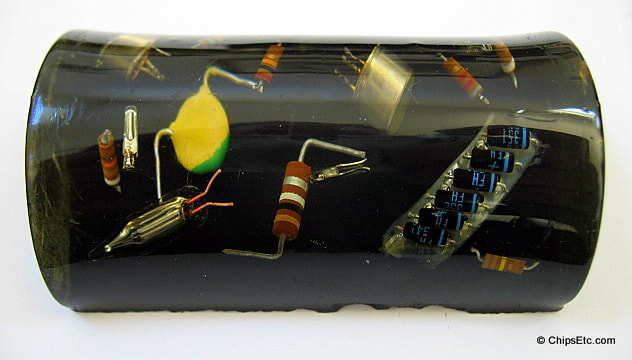
This 2 piece set of small bookends features various electronic components embedded inside, including transistors, capacitors, diodes and resistors.
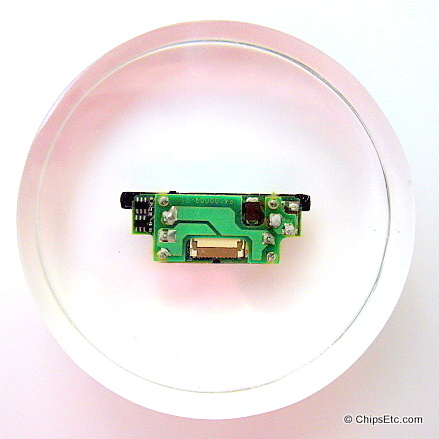
Notebook Computer Webcam Component Paperweight
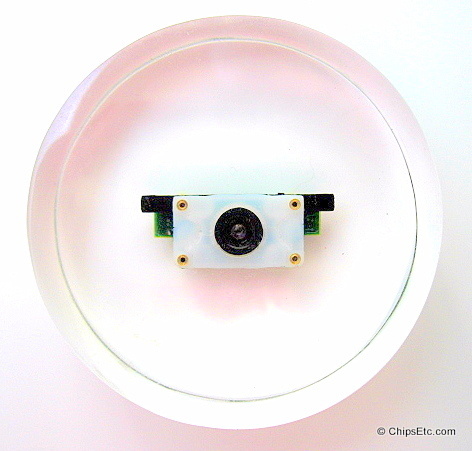
Item #829
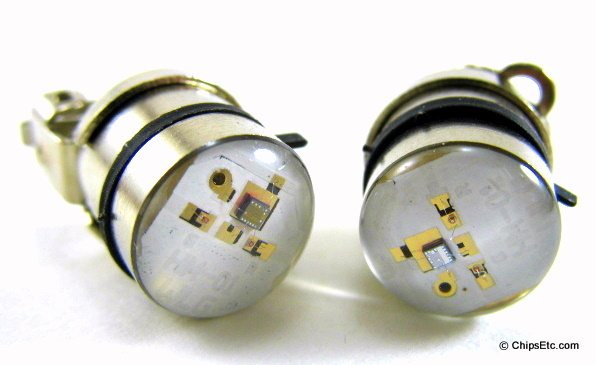
Round Lucite paperweight with an example of a PCB imaging unit from a Notebook computer Video Webcam.
Notebook Computer Webcam Component Paperweight
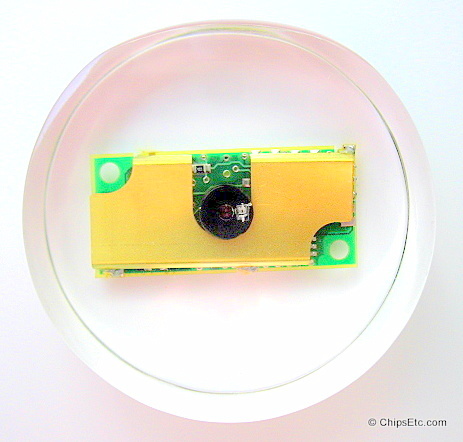
Item #828
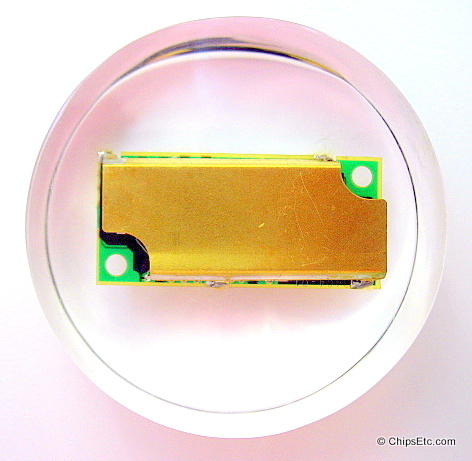
Another round Lucite paperweight with an example of a Video Webcam device used in a Notebook computer.
Component is surrounded on front and back by gold plated shielding.
Component is surrounded on front and back by gold plated shielding.
COREL LINUX OS "Tux" Penguin Promotional Character (1999)
Item #005
Soft rubber promotional toy featuring the LINUX "Tux" Penguin character.
This stuffed (soft foam) penguin character was included as a promotional item with purchase of the original release of the deluxe retail version of the COREL LINUX OS software in 1999.
LINUX Penguin has the COREL logo imprinted on the front.
New, Sealed package.
This stuffed (soft foam) penguin character was included as a promotional item with purchase of the original release of the deluxe retail version of the COREL LINUX OS software in 1999.
LINUX Penguin has the COREL logo imprinted on the front.
New, Sealed package.
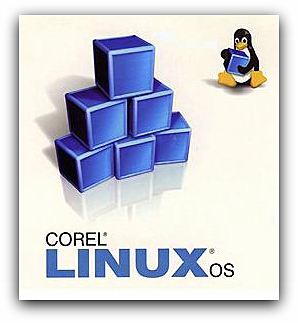
COREL LINUX OS package (1999)
CRI Creditor Resources Inc. Microcomputer Microchip Keychain (1980s)

Item #872
Since 1969, Atlanta based Credit Resources INC. (CRI) has served the credit union market by developing and delivering insurance and financial products such as Debt Protection, Credit Insurance, GAP and Vehicle Service Contracts thru software, IT consulting and call center functions.
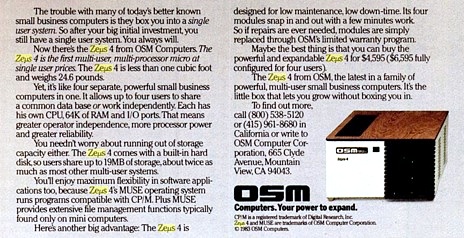
In 1983 CRI introduced their "Loan-Pro 1000" microcomputer based systems for credit unions. The Loan-Pro 1000 systems typically consisted of four terminals, one printer and a communications port, with business software package installed.
Each system was powered by an OSM Computer Corp. "Zeus" Z-80 multiprocessor microcomputer with up to 128Mb of high-speed disk storage capable of supporting up to 32 separate user terminals.
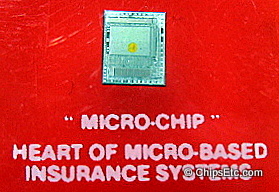
This Lucite keychain from CRI contains an microprocessor chip used in their insurance processing systems. Only readable identifier on this chip is "7040B" or "70408".
Reads "MICRO-CHIP" HEART OF MICRO-BASED INSURANCE SYSTEMS"
In 1983 CRI introduced their "Loan-Pro 1000" microcomputer based systems for credit unions. The Loan-Pro 1000 systems typically consisted of four terminals, one printer and a communications port, with business software package installed.
Each system was powered by an OSM Computer Corp. "Zeus" Z-80 multiprocessor microcomputer with up to 128Mb of high-speed disk storage capable of supporting up to 32 separate user terminals.
This Lucite keychain from CRI contains an microprocessor chip used in their insurance processing systems. Only readable identifier on this chip is "7040B" or "70408".
Reads "MICRO-CHIP" HEART OF MICRO-BASED INSURANCE SYSTEMS"
HTC Dream for Android Smartphones - Robot Character Charm (2008)
Item #480
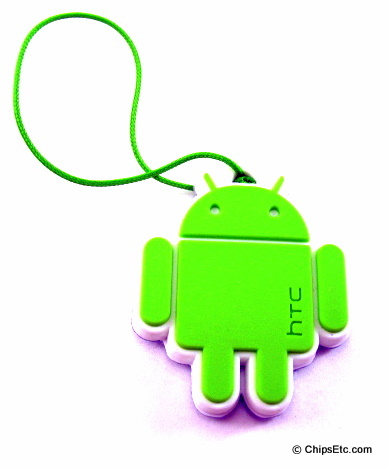
This charm is made of Soft rubber and is of the Android Robot character.
It was given out to promote one of the first Android smartphones, the HTC dream.
It was given out to promote one of the first Android smartphones, the HTC dream.
Flashing Chip Ring (2006)

Item #286
Adjustable Steel banded ring has visible circuitry and chips that are encased in acrylic, when batteries are installed this ring flashes colors from it's LED.
Flashing Chip Earrings (2009)
Item #477
A Pair of flashing green LED chip Earrings with visible chips and circuitry from GamaGarb promotions.
Integrated Device Technology 16k SRAM Memory Chip Tie Bar
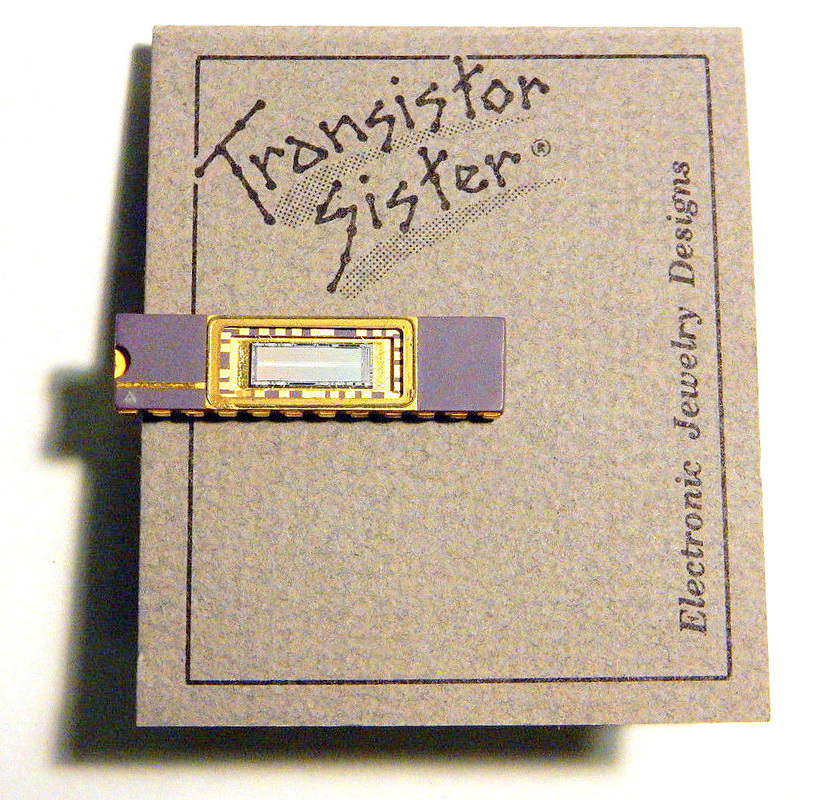
Item #868
Tie bar from artisan jewelry maker "Transistor Sister" featuring an SRAM memory chip in gold and ceramic DIP packaging. The chip is a "7188" high-speed 16k x 4-bit CMOS SRAM made by a San Jose based Semiconductor company called Integrated Device Technology (IDT) during the mid 1980s.
Transistor Sister, based in Seattle Washington, has been making limited edition Custom jewelry pieces like tie clasps, lapel pins, cuff links and earrings since 1984.
Their one of a kind pieces are crafted from vintage electronic components including Integrated Circuits, Microprocessors, and discreet components like capacitors and diodes.
Transistor Sister, based in Seattle Washington, has been making limited edition Custom jewelry pieces like tie clasps, lapel pins, cuff links and earrings since 1984.
Their one of a kind pieces are crafted from vintage electronic components including Integrated Circuits, Microprocessors, and discreet components like capacitors and diodes.
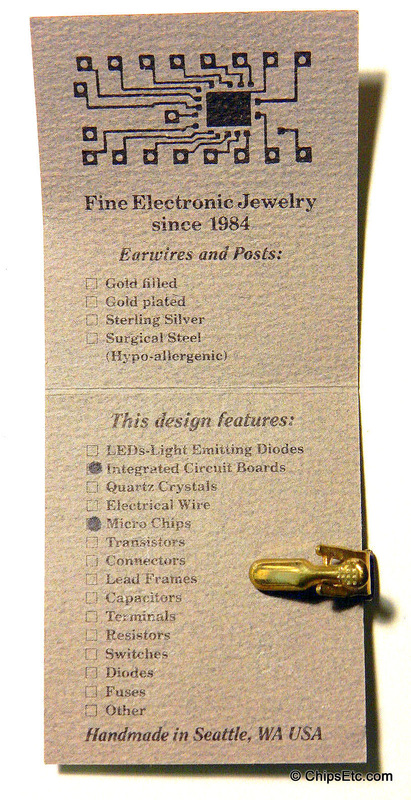
Transistor Sister's info sheet for the Integrated Circuit piece
Art Figurine Lucite Keychain made from Electronic Components
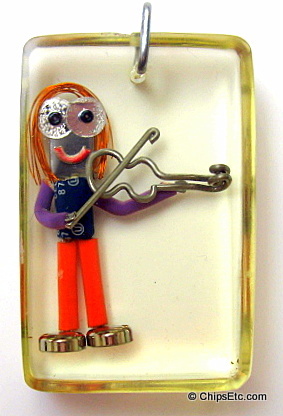
Item #830
Lucite keychain featuring an Art figurine (a happy violinist) hand crafted using an assortment of electronic components.
Electronic components used to create this piece include a capacitor, watch batteries, insulated & bare copper wiring.
Electronic components used to create this piece include a capacitor, watch batteries, insulated & bare copper wiring.
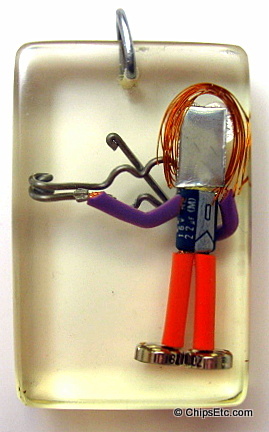
Art made from electronic components
Quantum Computing Silicon Photonics Chip Keychain (2016)
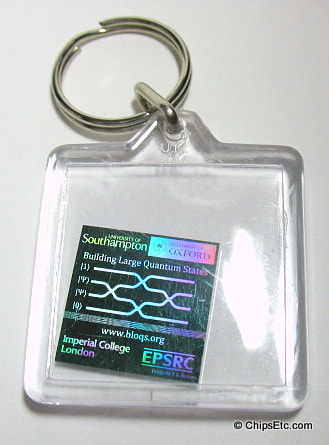
Item #969 (#970 similar)
Acrylic keychain featuring a patterned silica-silicon chip sample given away at a Southampton University open house.
Lithography on chip reads: "Building Large Optical Quantum States" / Imperial College London / University of Southampton / University of Oxford / EPSRC (Engineering and Physical Sciences Research Council of the UK)
These UK based Universities are researching on-chip quantum memories and detectors. Silicon chip inside measures 1.5" square.
New unused in original sealed plastic.
Lithography on chip reads: "Building Large Optical Quantum States" / Imperial College London / University of Southampton / University of Oxford / EPSRC (Engineering and Physical Sciences Research Council of the UK)
These UK based Universities are researching on-chip quantum memories and detectors. Silicon chip inside measures 1.5" square.
New unused in original sealed plastic.

UNSW researchers putting quantum computing chips on CMOS silicon wafers (2015)
|
  |
 |
|