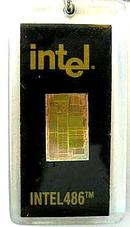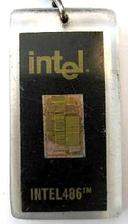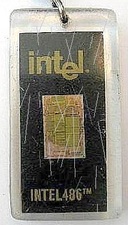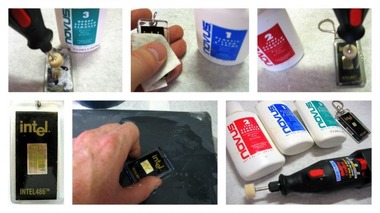
Before and After a restoration
Most Clear Plastic Keychains, Awards and Paperweights with embedded items in them are made from Lucite, though a rare few may be made from glass. Lucite is a brand name for Acrylic. Other brand names for Acrylic include Plexiglas and Polycast. Over the years the words Acrylic and Lucite have become synonymous.
While acrylic looks like glass, it is stronger and about half the weight. Acrylic is also crystal clear, however it is not as scratch resistant as glass is.
Often, Lucite Keychains become heavily scratched from actual use on a keyring and paperweights will get scratched from being moved around on the desktop. Your Acrylic items may also be scratched due to neglect from bad cleaning habits in the past (using dirty cleaning cloths, using chemicals or abrasive pads).
However, there is good news! Lucite is the easiest plastic to polish so most items can be restored back to there original beauty & brilliance with just a little work.
While acrylic looks like glass, it is stronger and about half the weight. Acrylic is also crystal clear, however it is not as scratch resistant as glass is.
Often, Lucite Keychains become heavily scratched from actual use on a keyring and paperweights will get scratched from being moved around on the desktop. Your Acrylic items may also be scratched due to neglect from bad cleaning habits in the past (using dirty cleaning cloths, using chemicals or abrasive pads).
However, there is good news! Lucite is the easiest plastic to polish so most items can be restored back to there original beauty & brilliance with just a little work.
_
How to Remove Scratches From Lucite
When collecting vintage electronic & computer memorabilia, you're bound to come upon some items that are embedded in Lucite or contain Plexiglass components. Both Lucite and Plexiglass are the brand names for a clear, durable acrylic material that has been used as an insulating material on electronics and computer equipment. The popularity of this plastic material came from the fact that it is durable, strong, and transparent; it can also be easily bound together using adhesive cement.
Perhaps its one downside, from a collector's point of view... It can develop scratches over time, dulling the appearance of a component and diminishing its condition. Luckily, there are a few great strategies for removing scratches and improving their general appearance of Lucite components.
What not to do:
Do not use Windex or other regular home cleaners on any Lucite surfaces. This can cause an adverse reaction on the surface of the material, causing little lines and fractures to form (called crazing). There's nothing you can do to repair this, so take this piece of advice seriously.
Avoid subjecting any Lucite materials to high heat, which can cause the surface to become cloudy and unattractive. This includes hot water! Beware of washing any Lucite material in anything warmer than lukewarm water.
Never use a textured sponge or anything other than a soft clean cloth to clean Lucite. Any textured surface will scratch up the Lucite in the process.
Proper cleaning strategies:
If the Lucite has dirt particles, sand, or anything else on the surface, run it under cool water before you attempt to clean it. Scrubbing dirt or sand across the surface with a cloth can inadvertently cause scratching.
Purchase an appropriate cleaning product. There are several options for cleaning Lucite. One popular option is called Brillianize. Another option, which you may already have on hand, is good old Turtle Wax, the car wax product. Just buff the surface gently with a little wax and you'll see immediate results.
While those products are great for cleaning, you'll need a specialized approach to actually remove and repair the scratches. The approach everyone swears by is a suite of products called Novus 1-2-3. Novus 1 is meant as a cleaner (like Brillianize), while Novus 2 is meant for polishing lighter surface scratches and Novus 3 for deep scratches. The products have their own instructions to follow, and it's definitely not hard to get excellent results. Pieces with very deep scratches may require wet-sanding to remove the damaged layer, followed up with fine polishing to restore luster.
How to Remove Scratches From Lucite
When collecting vintage electronic & computer memorabilia, you're bound to come upon some items that are embedded in Lucite or contain Plexiglass components. Both Lucite and Plexiglass are the brand names for a clear, durable acrylic material that has been used as an insulating material on electronics and computer equipment. The popularity of this plastic material came from the fact that it is durable, strong, and transparent; it can also be easily bound together using adhesive cement.
Perhaps its one downside, from a collector's point of view... It can develop scratches over time, dulling the appearance of a component and diminishing its condition. Luckily, there are a few great strategies for removing scratches and improving their general appearance of Lucite components.
What not to do:
Do not use Windex or other regular home cleaners on any Lucite surfaces. This can cause an adverse reaction on the surface of the material, causing little lines and fractures to form (called crazing). There's nothing you can do to repair this, so take this piece of advice seriously.
Avoid subjecting any Lucite materials to high heat, which can cause the surface to become cloudy and unattractive. This includes hot water! Beware of washing any Lucite material in anything warmer than lukewarm water.
Never use a textured sponge or anything other than a soft clean cloth to clean Lucite. Any textured surface will scratch up the Lucite in the process.
Proper cleaning strategies:
If the Lucite has dirt particles, sand, or anything else on the surface, run it under cool water before you attempt to clean it. Scrubbing dirt or sand across the surface with a cloth can inadvertently cause scratching.
Purchase an appropriate cleaning product. There are several options for cleaning Lucite. One popular option is called Brillianize. Another option, which you may already have on hand, is good old Turtle Wax, the car wax product. Just buff the surface gently with a little wax and you'll see immediate results.
While those products are great for cleaning, you'll need a specialized approach to actually remove and repair the scratches. The approach everyone swears by is a suite of products called Novus 1-2-3. Novus 1 is meant as a cleaner (like Brillianize), while Novus 2 is meant for polishing lighter surface scratches and Novus 3 for deep scratches. The products have their own instructions to follow, and it's definitely not hard to get excellent results. Pieces with very deep scratches may require wet-sanding to remove the damaged layer, followed up with fine polishing to restore luster.
What is your items current condition?